
Deliberative Democracy vs Participatory Democracy: Clear Comparison

If you are trying to improve civic participation, you will quickly run into a confusing question: should a community focus on getting more people involved (participatory democracy), or on helping people make better, more informed collective judgments (deliberative democracy)?
Civic Participation for Minority Communities: Power With Safeguards

Minority communities often carry a double burden in public life: more at stake, and more risk when speaking up. A school policy can affect language access, a zoning change can reshape a neighborhood, a policing tactic can alter daily safety, and a benefits rule can determine whether families can stay afloat. Yet the act of participating can expose people to retaliation, harassment, doxxing, employment consequences, or targeted misinformation.
Civic Participation When You Don’t Trust Government: Start Here

Distrust in government is not a personality flaw. In many places, it is a rational response to broken feedback loops, opaque decision-making, corruption scandals, and “engagement” that never changes outcomes.
Civic Participation Without Social Media: Offline Tactics That Work

Some of the most durable civic participation happens far from feeds, hashtags, and trending outrage. It happens in school cafeterias during board meetings, in union halls, on church basements’ folding chairs, at library tables with printed packets, and in quiet phone calls to a clerk who actually controls a permit.
Civic Participation for Students: Safe, Legal Ways to Be Heard

Students get told to “be the future,” but most political systems only really hear people at election time, and many students cannot vote yet. That gap is exactly why civic participation for students matters: there are safe, legal ways to influence real decisions now, not later.
Civic Participation for Remote Workers: Local Impact From Anywhere

Remote work gave millions of people a gift: time that used to disappear into commuting, office logistics, and “being seen.” But it also created a quiet civic problem. When your professional life is mostly online, it is easy to let your civic life fade into the background, even though local decisions still shape your rent, your school district, your internet, your safety, and your daily dignity.
Civic Participation for Parents: Influence Schools Without Burnout
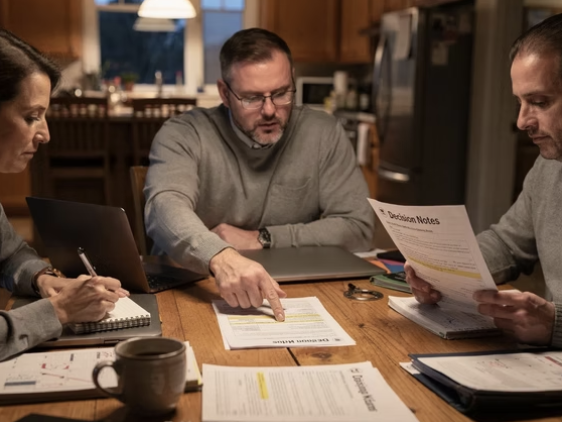
Parents have more leverage in school decisions than they’re led to believe, but most of us try to use it in the most exhausting way possible: constant outrage, endless group chats, and last‑minute panic before a board vote.
Civic Participation Metrics: What to Track Beyond Turnout

Turnout is the most familiar civic scorecard because it’s easy to count. But it is also a blunt instrument: it tells you how many people showed up, not whether civic participation produced legitimate, informed, and decision-relevant public judgment.
Civic Participation in 10 Minutes a Day: A Realistic Routine

Most people want a healthier democracy, but not another part-time job. The gap is not caring, it’s bandwidth. If civic participation requires hours of meetings, deep policy reading, and constant outrage, only the already-resourced can stay in the game.
Civic Participation vs Civic Engagement: What’s the Difference?

Confusion between civic participation and civic engagement is not just a vocabulary problem. It changes what citizens ask for, what institutions “measure,” and what political movements build.