Blog
Debate is the heartbeat of democracy, but most public debate has a terrible memory. A town hall fills a room, a comment thread explodes, a protest captures attention, a committee livestream runs for t
Most people do not need more political noise. They need a better path from public information to public influence. That is the promise of discursive democracy when it is applied to news. Instead of tr
Calls for national unity often arrive at the most dangerous moment: after a crisis, during polarization, or when citizens are exhausted by conflict. The phrase sounds healing, but it can also be misus
When public policy fails, the familiar response is to ask for a new party, a cleaner party, a broader coalition, or a different electoral map. Sometimes that is necessary. Parties matter because they
Housing policy is where democracy often feels most personal and most stuck. A city can broadly agree that rents are too high, homelessness is unacceptable, young families are being priced out, and inf
AI can make public participation faster, broader, and more legible. It can translate testimony, summarize thousands of comments, detect recurring concerns, and help officials find the evidence they sh
Every public budget contains a moral argument. It says what must be protected, what can wait, who carries the burden, and which future a community is willing to fund. That is why budget decisions crea
Public decisions fail for many reasons: poor information, rushed timelines, party incentives, bureaucratic distance, private lobbying, and citizens who are invited to “give input” only after the real
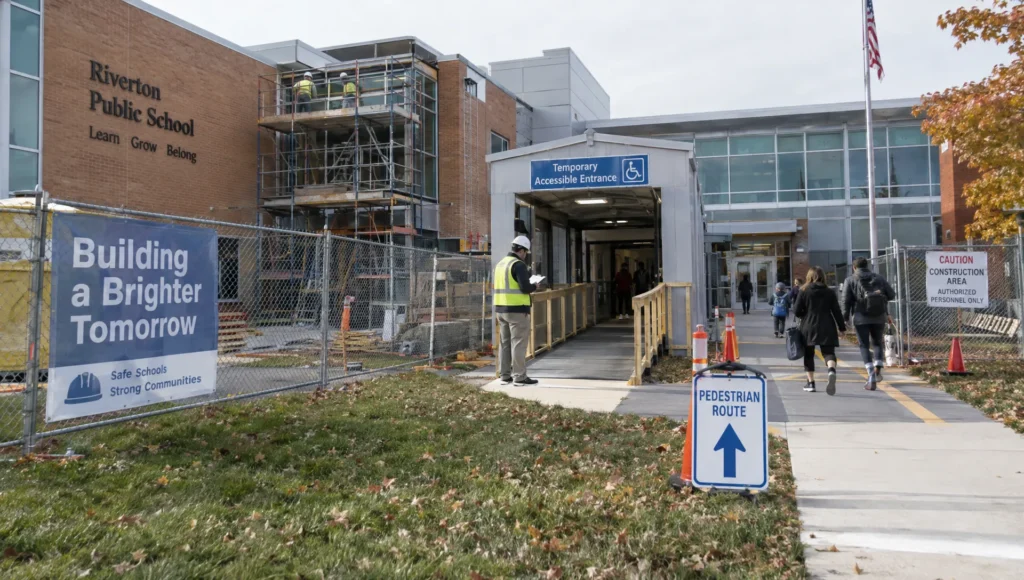
School boards are where democracy becomes personal. A national election can feel distant, but a board decision about phones, school start times, AI homework rules, transportation, special education se
Elections matter. They decide who receives authority, who forms governments, and which broad promises enter public life. But most of politics happens after election night, when budgets are drafted, co
Education reform is usually discussed as if it belongs to ministers, school boards, unions, administrators, and experts. Citizens are invited to react after the main decisions have already been framed
Civic participation is often treated as a motivation problem. If only more people cared, the argument goes, democracy would work better. But many citizens do care. They attend meetings, sign petitions
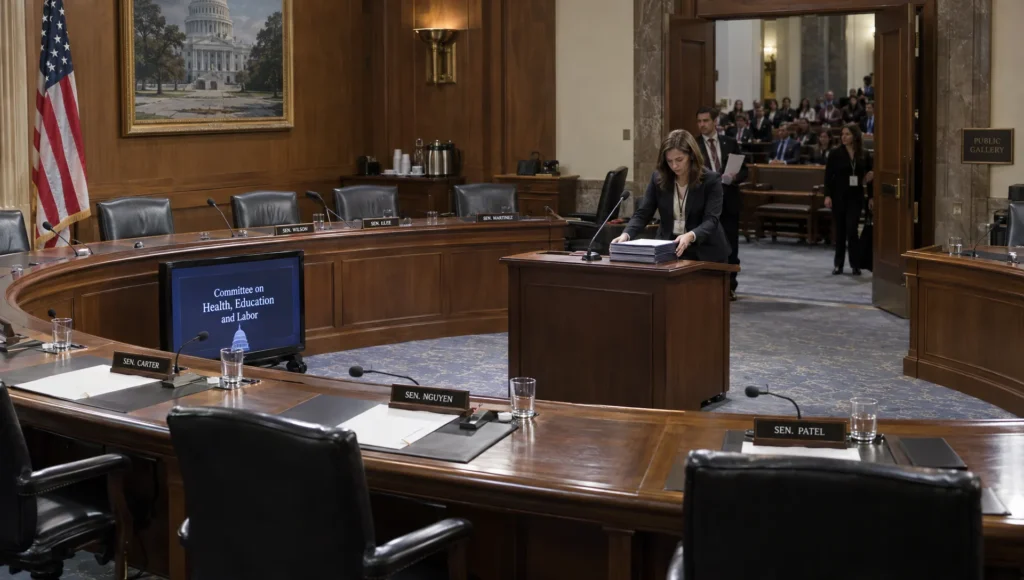
Most citizens do not lose influence only on election day. They lose it in the weeks and months between elections, when public committees meet, agendas move, amendments appear, budgets change, and over
Local reform often starts before ideology enters the room. A dangerous crosswalk, a school policy that does not work, a confusing permit process, a public budget nobody understands, or a neglected par
Trust in public life is not repaired by a better slogan. It is rebuilt when people repeatedly experience something concrete: I can understand the decision, I can speak into it, I can see how evidence