Public trust is often treated as a public relations problem. If only leaders communicated better, if only institutions sounded more confident, if only citizens were less cynical, trust would return. But that diagnosis is too shallow.
The deeper problem is structural. Many citizens do not distrust government because they are apathetic. They distrust it because they rarely see a clear path from public opinion to public action. They vote, pay taxes, read headlines, watch scandals, and then wait years to be asked again what they think.
The future of public trust will not be built by asking people to believe harder. It will be built by designing institutions that are easier to inspect, easier to influence, and harder to capture. That is where civic participation becomes more than a democratic virtue. It becomes public trust infrastructure.
This idea sits at the center of JustSocial’s vision for continuous direct democracy. In the JustSocial manifesto, Yuval D. Vered argues that the old model of participation, where citizens are reduced to voters, taxpayers, and consumers, is no longer enough for a technological society. The question now is not whether people should participate. The question is whether public systems are ready to treat participation as a daily democratic function.
Why public trust is changing
Public trust used to rely heavily on distance. Citizens did not need to see every process, every document, every internal disagreement, or every budget tradeoff. Institutions asked for patience, representatives asked for a mandate, and the public was expected to judge the result at the next election.
That model is breaking down. Digital life has changed expectations. People can track a package in real time, compare products instantly, audit public claims through independent sources, and organize around an issue within hours. Yet many public decisions still feel hidden behind committees, opaque procurement processes, closed party systems, or technical language that ordinary citizens are not expected to understand.
This gap creates a trust deficit. It is not just a crisis of belief. It is a crisis of feedback.
The OECD’s 2024 Survey on Drivers of Trust in Public Institutions emphasizes that trust is closely tied to whether people see institutions as responsive, reliable, open, fair, and capable of acting with integrity. In other words, trust is not only about whether citizens like a government. It is about whether they believe the system can listen, decide, explain, and correct itself.
Civic participation is essential because it turns trust from a passive expectation into an active relationship.
Civic participation is not just showing up
Civic participation is often reduced to visible acts: voting, protesting, volunteering, signing petitions, attending town halls, or contacting representatives. These acts matter, but they are only part of the picture.
A stronger definition is this: civic participation is any meaningful action through which citizens help shape, monitor, challenge, or improve public decisions. For readers who want a broader foundation, JustSocial’s explanation of civic participation meaning is a useful starting point.
The key word is meaningful. Participation does not build trust when it becomes a symbolic performance. A public survey that no one reads does not build trust. A town hall where officials already made the decision does not build trust. A consultation process with no published outcome does not build trust.
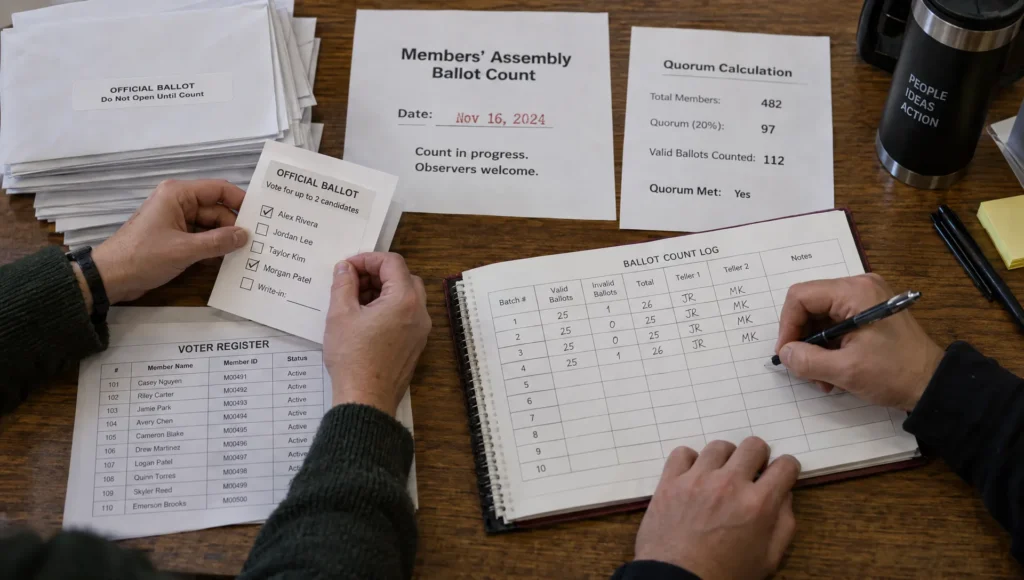
Civic participation builds trust when people can see a full democratic loop:
- A public issue is defined clearly before a decision is finalized.
- Citizens can contribute opinions, evidence, lived experience, and objections.
- Institutions explain how the input was considered.
- The final decision is published with reasons and tradeoffs.
- Citizens can track implementation and challenge failures.
This does not mean every public preference must become policy. No serious democracy can operate as an instant poll. It does mean that citizens should be able to see whether their voices entered the process and how institutions responded.
That distinction is crucial for the future of public trust.
Discursive democracy and deliberative democracy need each other
Two democratic ideas are especially important here: discursive democracy and deliberative democracy.
Discursive democracy is about the public conversation. It recognizes that democracy is not only what happens at the ballot box. It also happens when citizens argue, explain, persuade, narrate, criticize, organize, and form public meaning together. A society that cannot discuss its future cannot govern itself well.
Deliberative democracy is more structured. It focuses on citizens weighing evidence, hearing opposing views, considering tradeoffs, and forming judgments through reasoned discussion. Citizens’ assemblies, participatory budgeting forums, and structured public consultations are examples of deliberative processes when they are designed well.
The future of public trust needs both.
Discursive democracy without deliberation can become endless noise. It may reveal anger, identity, frustration, and desire, but it does not always produce decisions. Deliberative democracy without a wider discursive culture can become too narrow, too expert-driven, or too disconnected from the public mood.
| Democratic layer | What it contributes | How it builds trust | What happens when it is missing |
|---|---|---|---|
| Discursive democracy | Open public conversation, criticism, storytelling, shared meaning | People feel visible and heard in public life | Politics becomes silent, alienating, or dominated by elites |
| Deliberative democracy | Structured discussion, evidence review, tradeoff analysis | People see decisions as reasoned rather than arbitrary | Public input becomes emotional data with no decision path |
| Civic participation | Action, monitoring, pressure, voting, organizing, contribution | People gain influence beyond election day | Trust depends only on promises and personalities |
| Institutional transparency | Records, explanations, accessible data, public reasoning | People can verify what happened | Suspicion fills the information gap |
The OECD has also published guidance on citizen participation processes, emphasizing the importance of clarity, inclusion, accountability, and evaluation. These are not decorative details. They are the conditions that separate meaningful participation from civic theater.
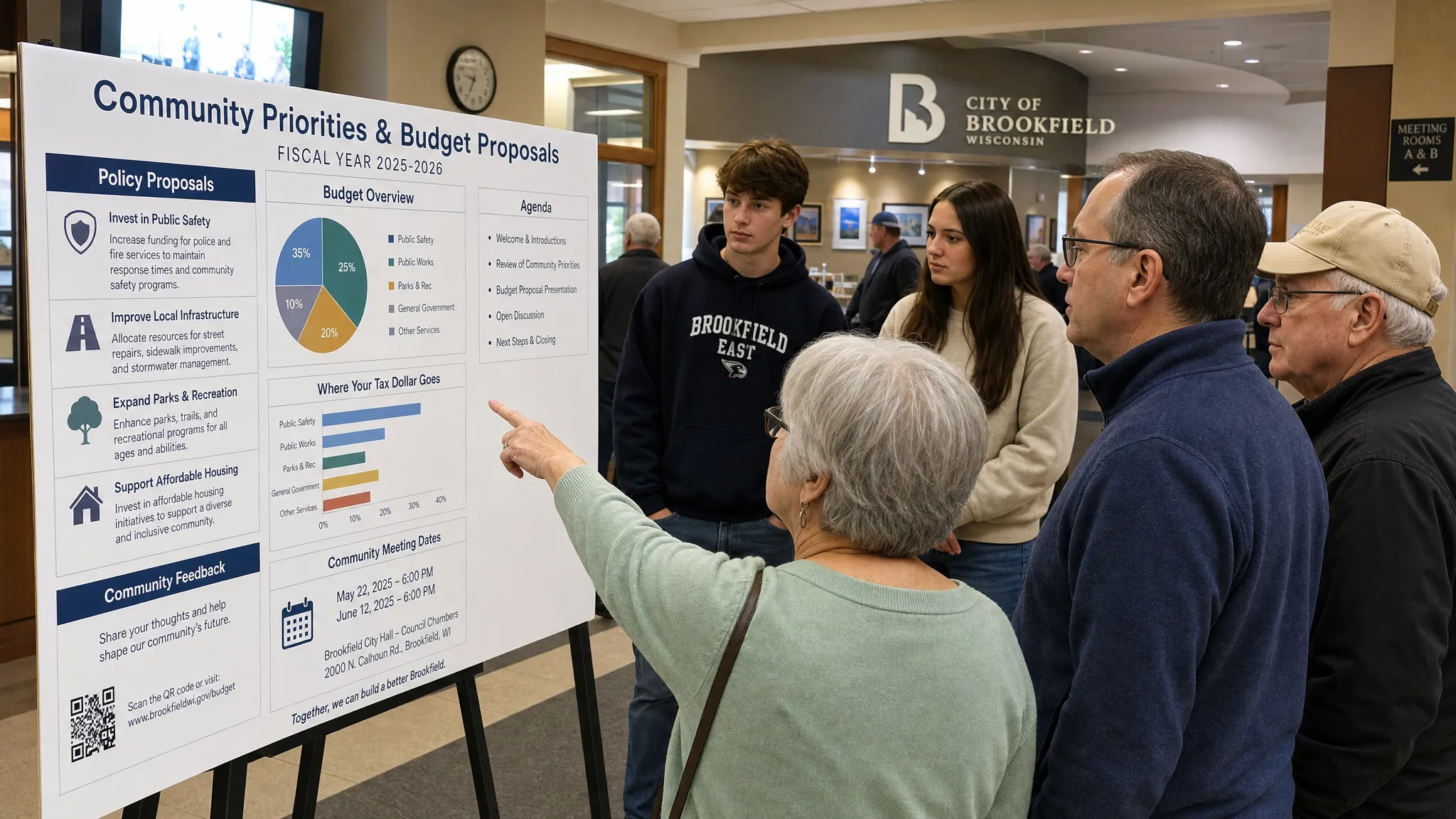
The missing ingredient is consequence
Many governments already invite participation. They publish surveys, open comment periods, hold public meetings, and maintain social media accounts. Yet trust remains fragile because citizens often sense that participation has no consequence.
Consequence does not always mean agreement. If 60 percent of participants support one policy and representatives choose another, trust can still survive if the decision is explained honestly, the evidence is public, and the tradeoff is clear. What destroys trust is the feeling that participation disappears into a bureaucratic void.
The JustSocial manifesto offers a useful distinction. It does not argue that every public signal should become a binding referendum. Instead, it imagines citizens’ ongoing input as public data that representatives, journalists, officials, and institutions must be able to see and consider. That is a more mature model than simple majoritarianism.
In this model, citizens are not replacing every institution. They are becoming a continuous democratic branch of influence. Public opinion is not a shout from the street or a trend on a private platform. It becomes something measured, protected, anonymized where needed, and attached to real policy questions.
For this to work, civic participation needs better public technology. JustSocial has explored this directly in its argument for better public tech for civic participation, including tools that make public decisions easier to follow and public input easier to connect to outcomes.
Public trust grows when citizens can say, “I may disagree with the result, but I can see the process.”
Public trust must scale without becoming mob rule
A serious conversation about civic participation must also address the risks. More participation is not automatically better. Poorly designed participation can amplify manipulation, reward outrage, exhaust citizens, or create the illusion that the loudest group represents everyone.
The future of public trust depends on participation systems that are open enough to empower citizens but disciplined enough to protect democracy from distortion.
That means verified participation without exposing citizens to intimidation. It means privacy protections, especially when people express political identity or unpopular views. It means secure online voting platforms and public consultation tools that can be audited. It means accessibility for people who are not politically connected, digitally fluent, wealthy, or already organized.
It also means admitting that not every citizen will participate every day. Continuous direct democracy should not become compulsory politics. Its promise is that a person who does not participate today may still participate tomorrow. Trust comes from the standing invitation, not from constant obligation.
This is where civic education becomes part of public trust. The JustSocial manifesto connects democratic reform to educational reform for a reason. A society cannot expect citizens to deliberate well if it never teaches them how to evaluate evidence, disagree constructively, understand institutions, or connect personal interests to public consequences.
Public trust is not only a government output. It is a civic skill.
Why a political movement is necessary
Technology can help rebuild public trust, but technology alone will not do it. A platform cannot decide what kind of democracy a society wants. A dashboard cannot create courage. A voting tool cannot force institutions to respect the results.
That is why a political movement matters.
A political movement gives citizens a shared language for what they are demanding. It turns frustration into a program. It pressures parties, officials, public agencies, schools, civic groups, journalists, and technology builders to treat participation as a democratic right rather than a public relations feature.
JustSocial’s manifesto uses the idea of the Polis to describe a form of public life where citizens experience the state as something immediate and meaningful. The ancient Greek Polis could not scale to modern nations, but it reminds us of something important: public trust is easier when citizens feel they are members of a shared political life, not distant subjects of a remote machine.
Modern society cannot return to the small city-state. But it can build a Cosmopolis, a larger democratic culture where technology helps restore intimacy, visibility, and influence at scale.
That is the real promise of civic participation. Not more meetings. Not more apps. Not more slogans about unity. The promise is a public life where disagreement becomes productive, institutions become legible, and citizens regain a sense that politics is something they do, not something done to them.
What citizens and institutions can do now
The future of public trust will be built through practical habits, not abstract hope. Citizens can begin by asking better questions of every participation process they encounter.
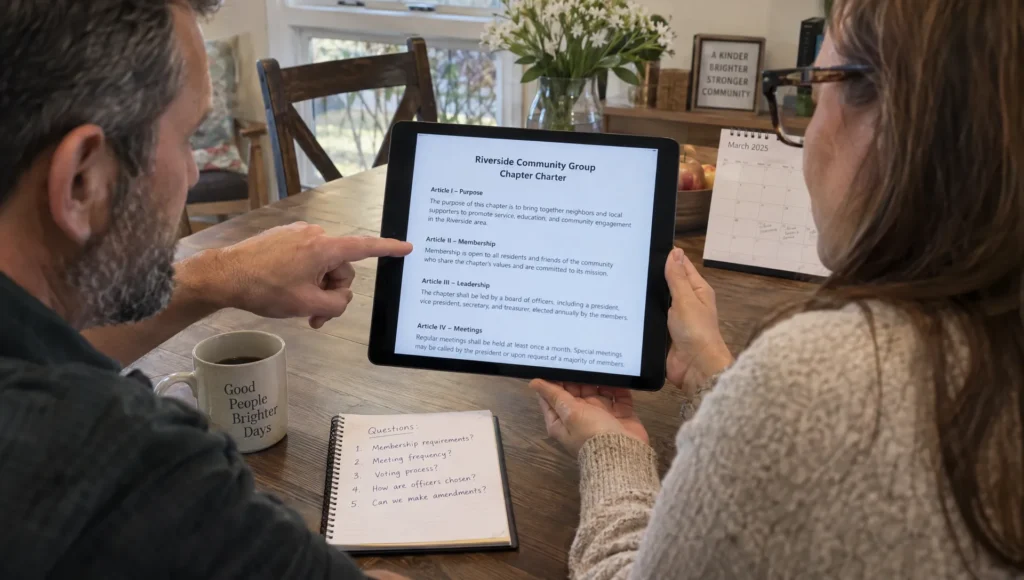
Does the process define the decision being influenced? Does it publish the evidence? Does it include people who are usually absent? Does it explain what changed because of public input? Does it preserve a public record that can be checked later?
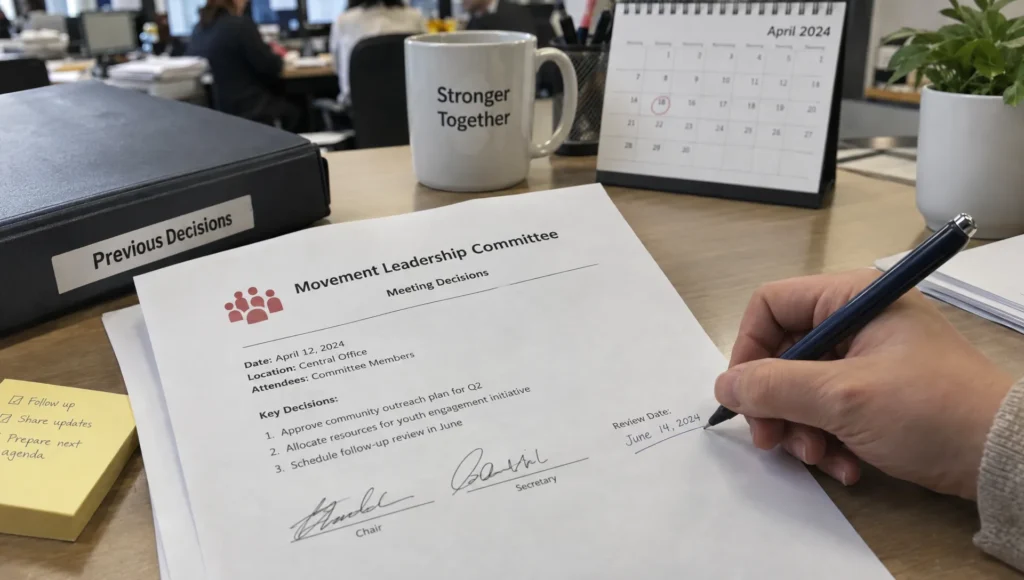
Institutions can begin by designing participation with accountability from the start. If a city opens a consultation, it should publish the timeline, the decision owner, the input summary, the final reasoning, and the implementation status. If a parliament committee discusses a public issue, citizens should be able to find the documents, recordings, votes, and arguments without needing insider knowledge.
Civic groups, journalists, educators, and technologists also have a role. They can translate complex issues, build participation tools, host deliberative spaces, protect minority voices, and keep public memory alive when officials would rather move on.
Trust will not return all at once. It will return when citizens repeatedly encounter processes that are worth trusting.
Frequently Asked Questions
How does civic participation improve public trust? Civic participation improves public trust when citizens can see how their input enters decision-making, how institutions respond, and how outcomes are tracked. Trust grows when participation has visible consequence, even when not everyone gets the result they wanted.
Is deliberative democracy the same as direct democracy? No. Deliberative democracy focuses on reasoned discussion and evidence-based judgment. Direct democracy focuses on citizens influencing or deciding public issues more directly. They can work together when citizens both deliberate and have meaningful channels for influence.
What is discursive democracy? Discursive democracy emphasizes public conversation, debate, storytelling, criticism, and persuasion. It matters because democratic decisions are shaped not only by votes, but also by the public narratives and arguments that form before a vote or policy decision.
Can online civic participation be trusted? It can be trusted only if it is designed carefully. Secure identity verification, privacy protection, transparent rules, auditable systems, accessibility, and public records are essential. Digital participation should strengthen democratic accountability, not replace it with opaque technology.
Does more participation mean leaders must follow every public opinion poll? No. Public trust does not require instant obedience to majority opinion. It requires institutions to measure public views seriously, explain decisions clearly, and show how citizen input was considered alongside law, evidence, rights, budgets, and long-term consequences.
Help build the next trust architecture
Public trust will not be restored by nostalgia for older politics. It will be restored by citizens who demand better democratic systems and institutions willing to become more transparent, participatory, and accountable.
If that future resonates with you, explore JustSocial.io and join a political movement working toward continuous direct democracy, citizen empowerment, and a more trustworthy public life.