How Civic Participation Can Shape Public Tech
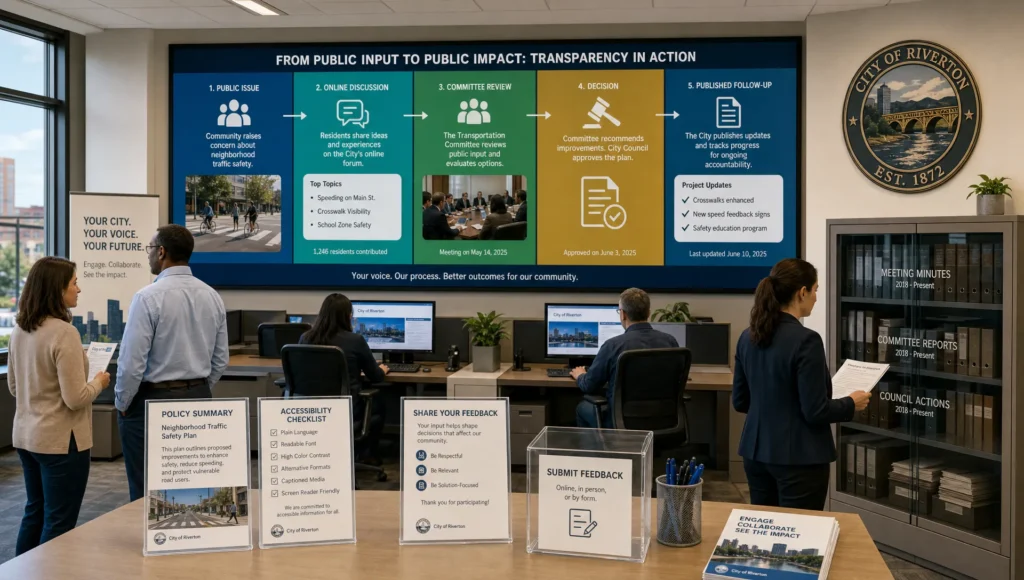
Public technology is usually treated as something governments buy, configure, and announce. Citizens are then expected to adapt to it, whether it works well or not. That model is backward. If public t
Civic Participation for Committee Transparency
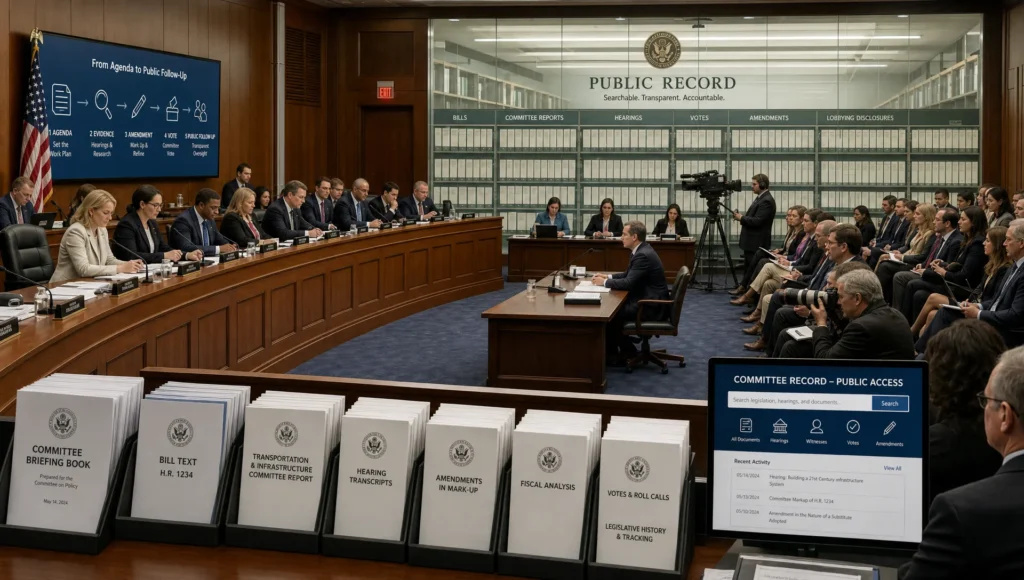
Public committees are where democratic decisions become real. A campaign promise may sound clear on a stage, but policy is usually shaped in quieter places: hearings, working groups, procurement commi
How a Political Movement Can Turn Anger Into Action
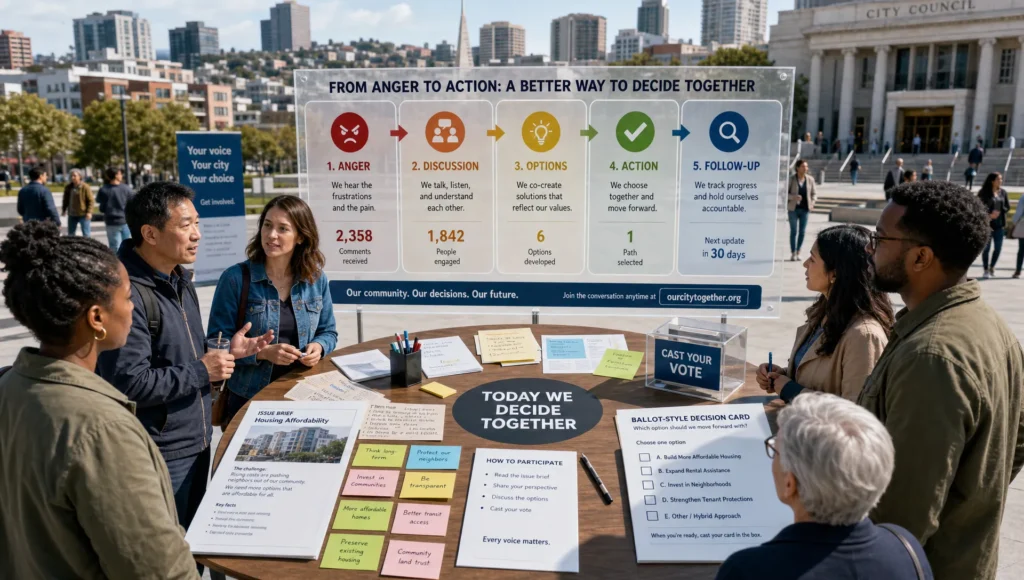
Anger is often treated as a threat to democracy. It can be. Anger can become hatred, conspiracy, violence, or permanent contempt for anyone outside the tribe. But anger can also be a democratic alarm
Civic Participation Beyond Petitions and Protests
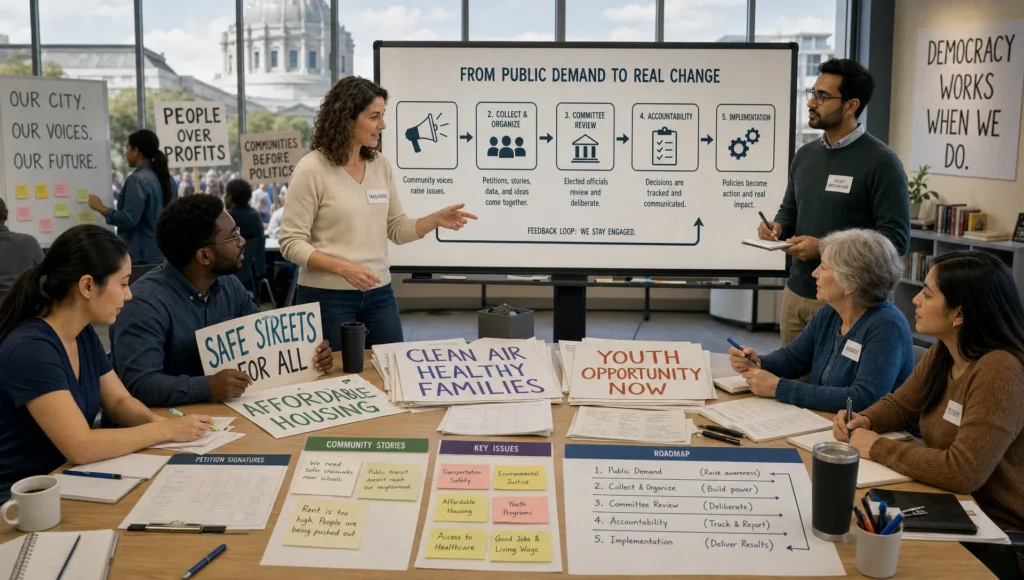
Petitions and protests matter. They reveal urgency, concentrate public attention, and remind leaders that citizens are not passive recipients of policy. Many democratic breakthroughs began with people
Political Movement Design for Continuous Democracy
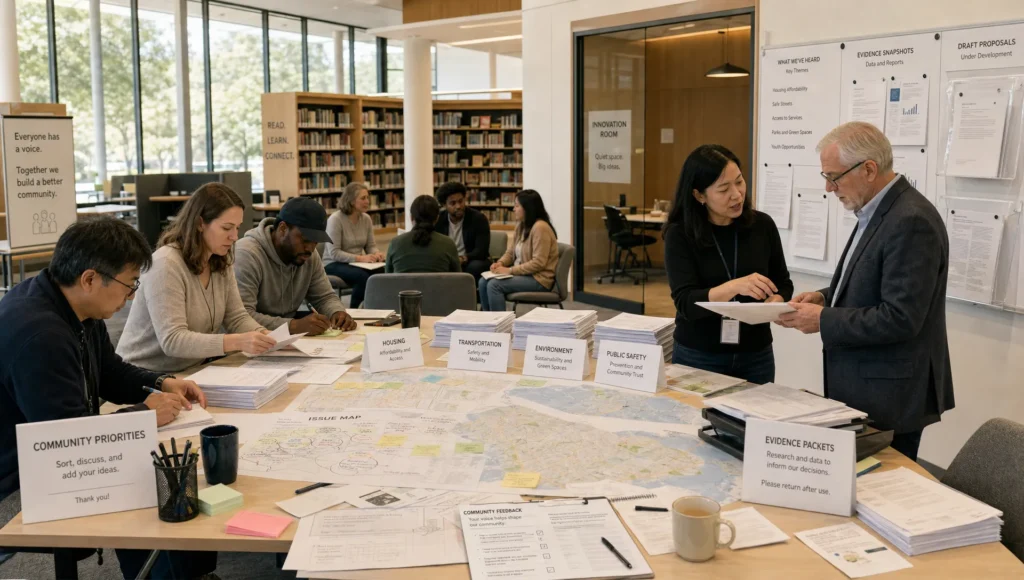
A political movement is usually judged by its slogans, rallies, candidates, and election results. But a movement for continuous democracy has a harder task: it must design a new civic operating system
Discursive Democracy and Public Reason Online
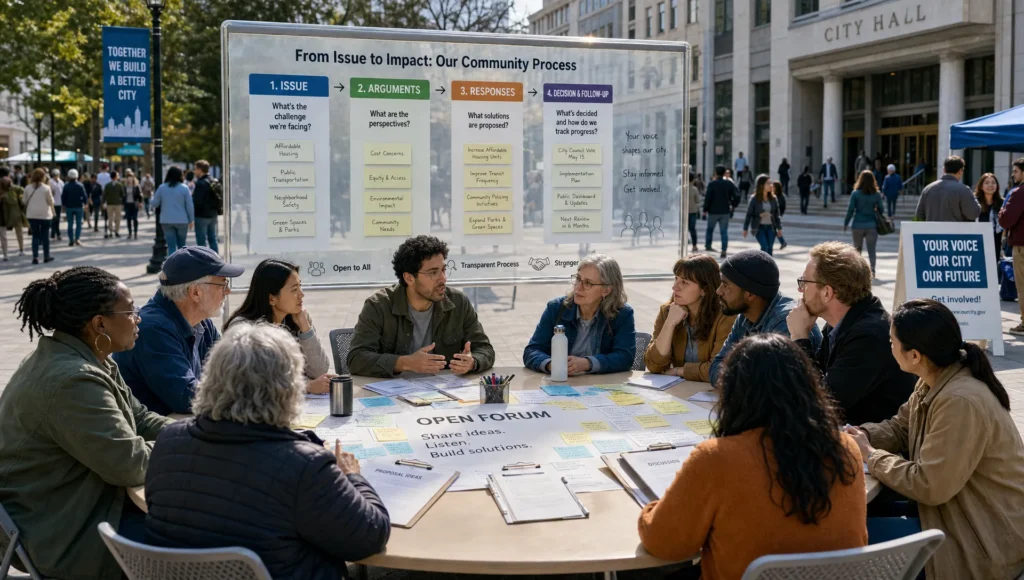
Democracy now happens in comment sections, group chats, livestreams, search results, short videos, petitions, private forums, and public platforms long before it reaches a ballot box or a parliamentar
Deliberative Democracy and the Role of Academia

Deliberative democracy begins with a simple but demanding claim: citizens should not merely be counted after campaigns persuade them. They should be equipped to reason together before public decisions
Civic Participation for Education Reform That Lasts
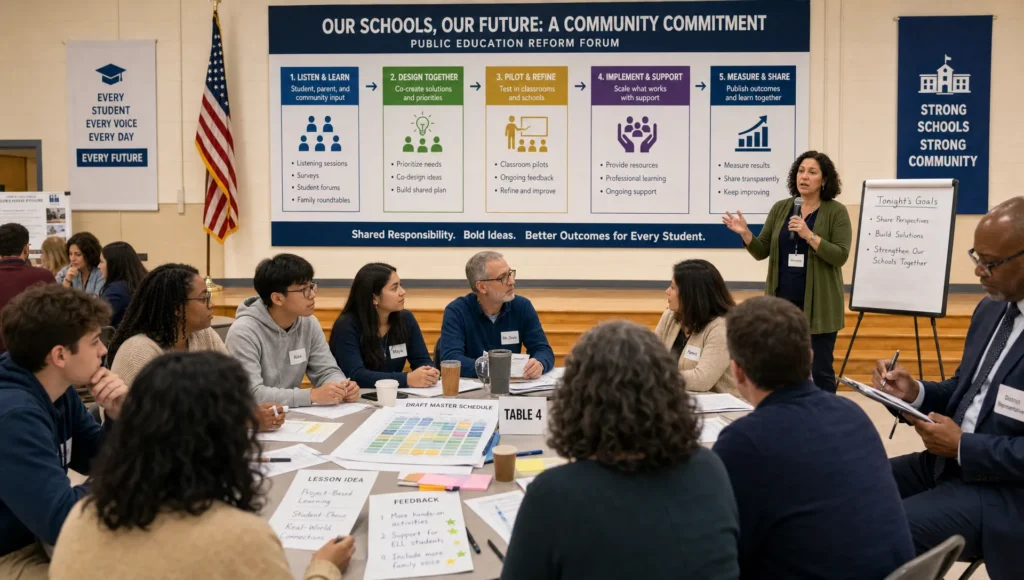
Education reform usually enters public life as a promise: a new curriculum, a new schedule, a new test, a new technology, a new vision for what children should learn. Then the pattern repeats. Leaders
Political Movement Lessons From Democratic Decline
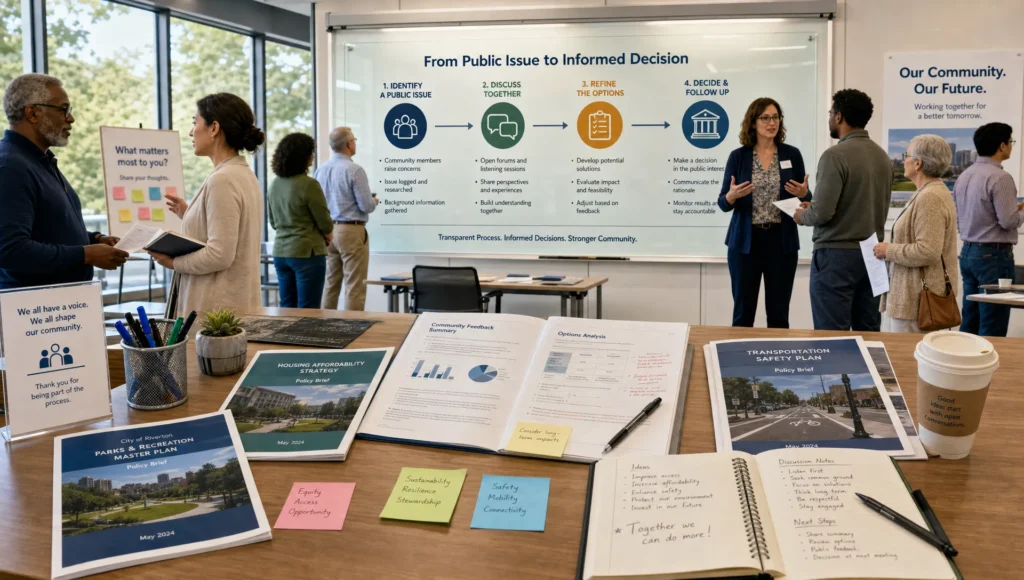
Democratic decline is often discussed as if it begins with a coup, a stolen election, or one authoritarian leader crossing a red line. In reality, it usually starts earlier and more quietly. It begins
Discursive Democracy in a Fragmented Media Age
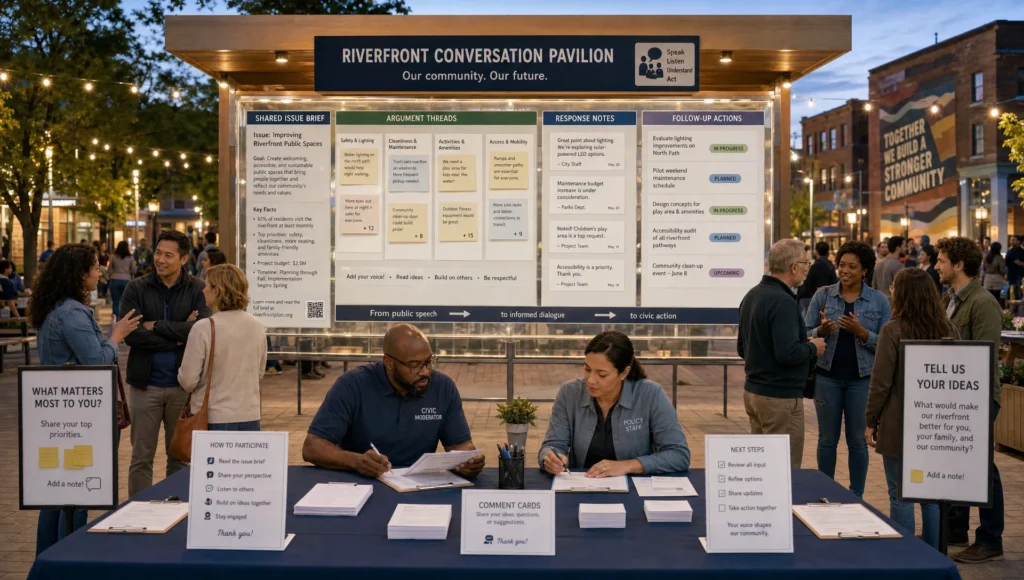
A fragmented media age does not simply mean more channels. It means different citizens can inhabit different civic worlds while living under the same laws. One person sees a policy debate as an emerge