
How Discursive Democracy Can Improve Civic Apps
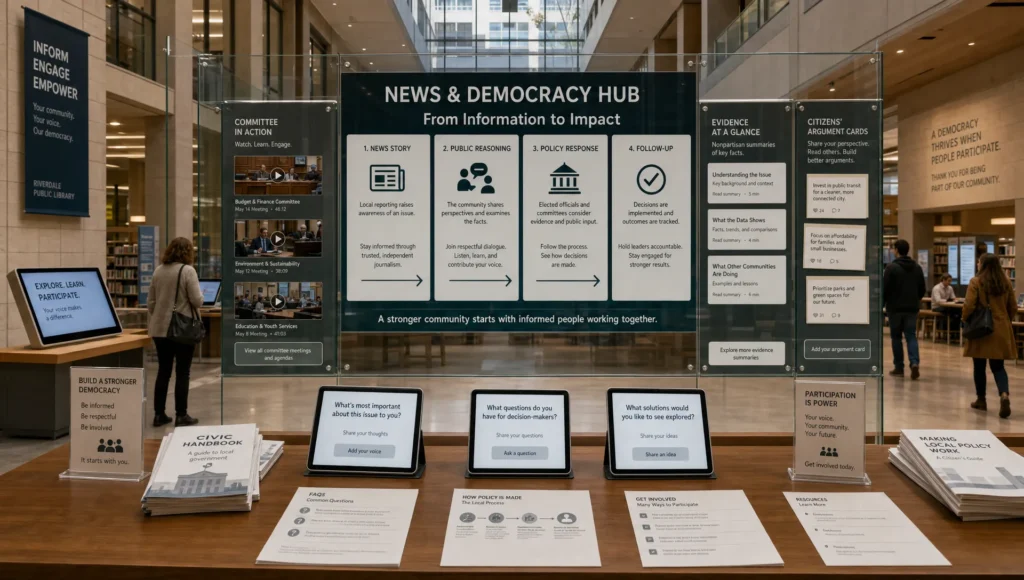
Civic apps often promise a simple upgrade to democracy: put participation on a phone, let people vote, comment, sign, and share, then call it engagement. The problem is that democracy is not only a us
Discursive Democracy for Transparent Lawmaking
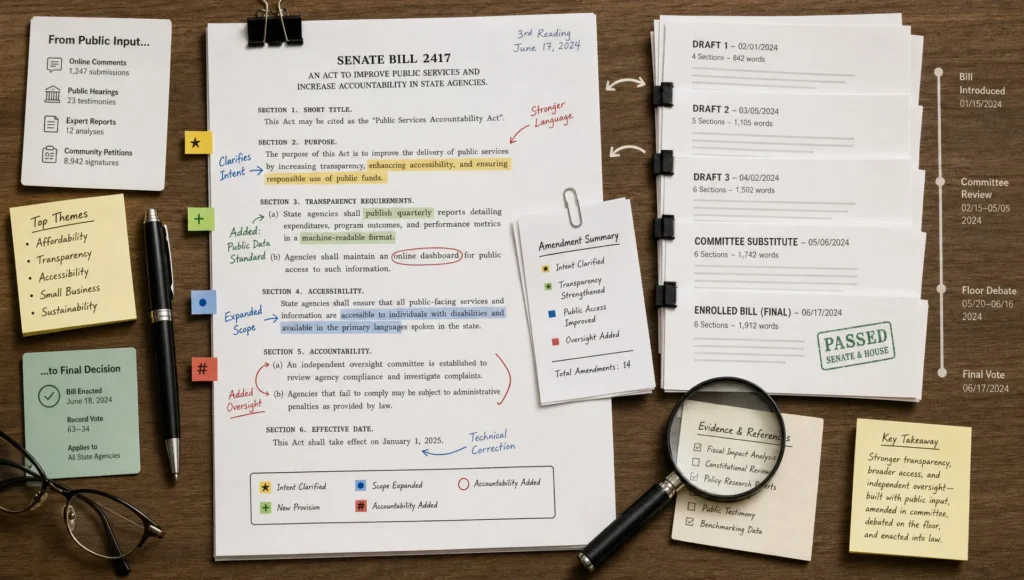
A law can be public without being transparent. A bill can appear on an official website, a committee can stream a hearing, and a legislature can publish the final vote, while citizens still have no cl
Can Deliberative Democracy Reduce Policy Capture?
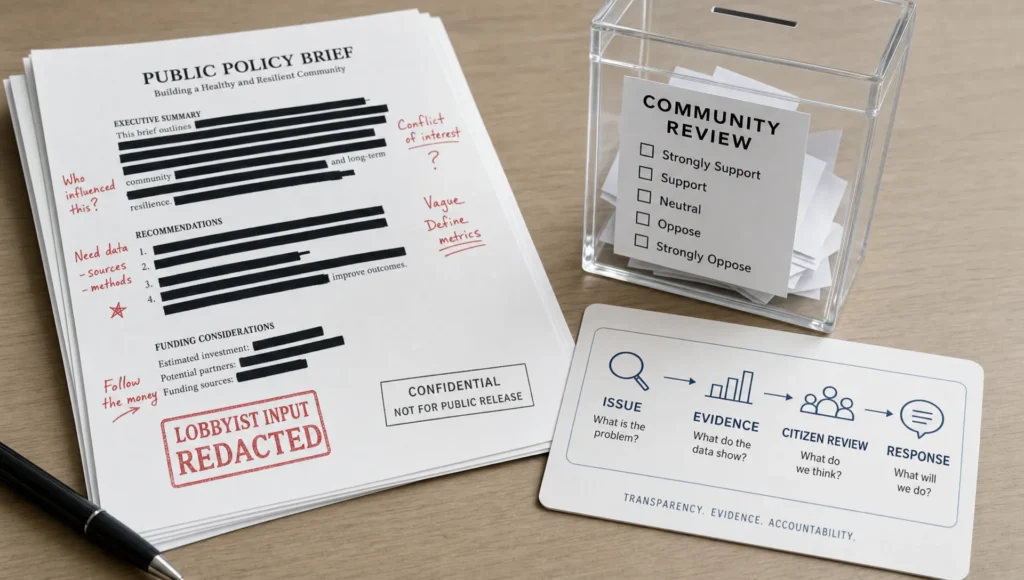
Policy capture is one of the quiet failures of representative government. It rarely announces itself as corruption. More often, it appears as a technically complex regulation written in language only
Deliberative Democracy and the New Social Contract
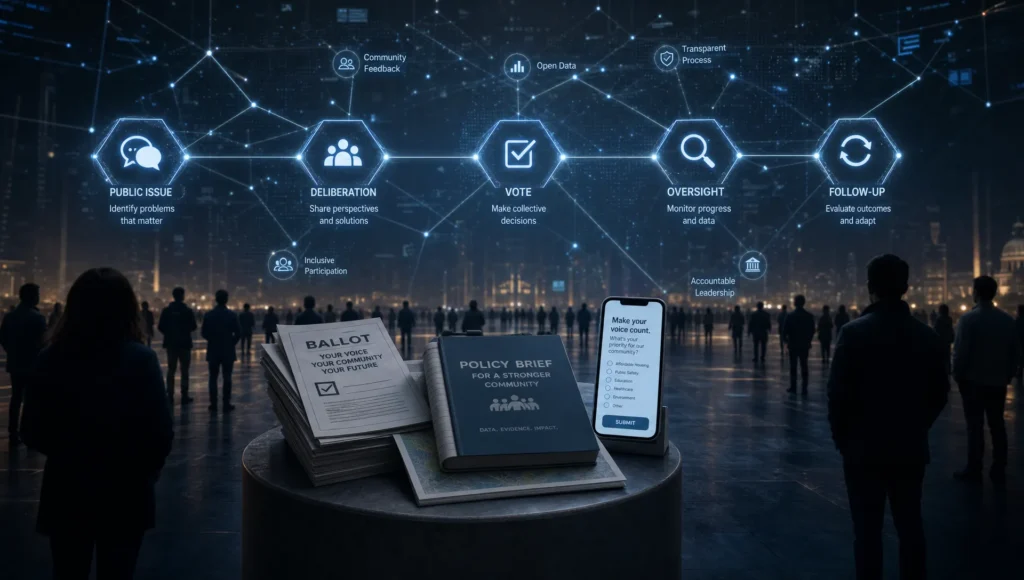
Most democracies still rely on an old bargain: citizens obey the law, pay taxes, vote every few years, and then trust representatives to govern in their name. That bargain made sense when information
Deliberative Democracy for Education System Redesign
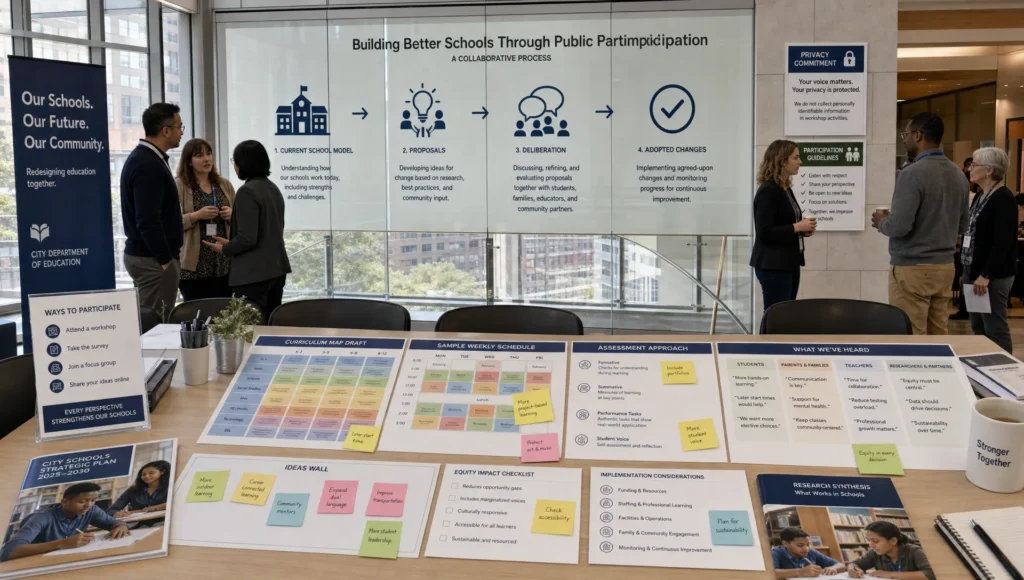
Education reform often sounds technical: change a curriculum standard, adjust a budget line, pilot a new assessment, update teacher training. But education system redesign is not merely technical. It
How Deliberative Democracy Can Strengthen Parliament
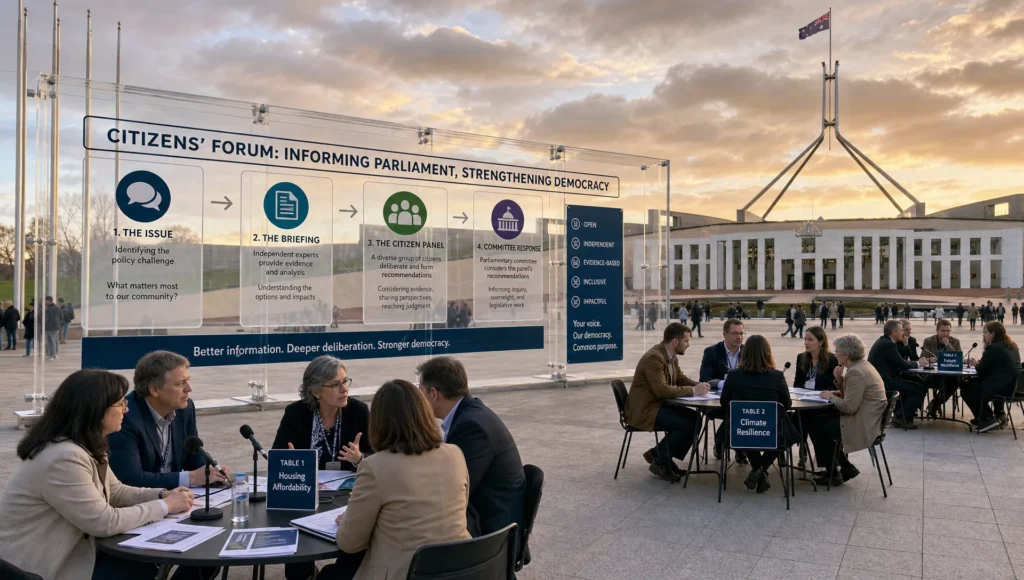
Parliament is supposed to be the place where public conflict becomes public judgment. In theory, it gathers the nation into a lawful forum, tests ideas, scrutinizes power, and turns disagreement into
Deliberative Democracy for Public Tech Reform
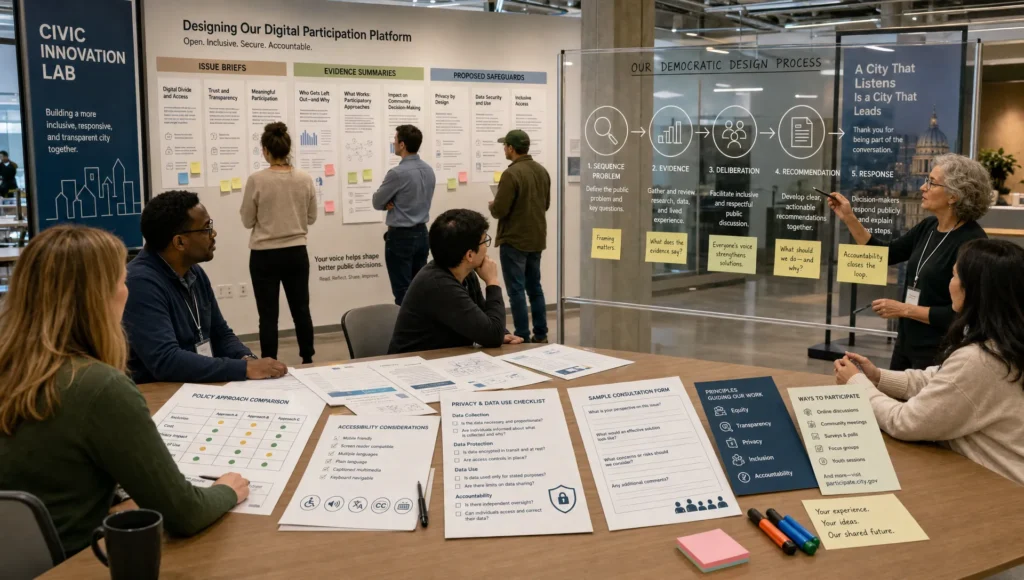
Public technology is now one of the main places where democracy either becomes real or collapses into paperwork. When a resident applies for public services, follows a city council vote, signs a petit
Why Civic Participation Needs Public Response Rules
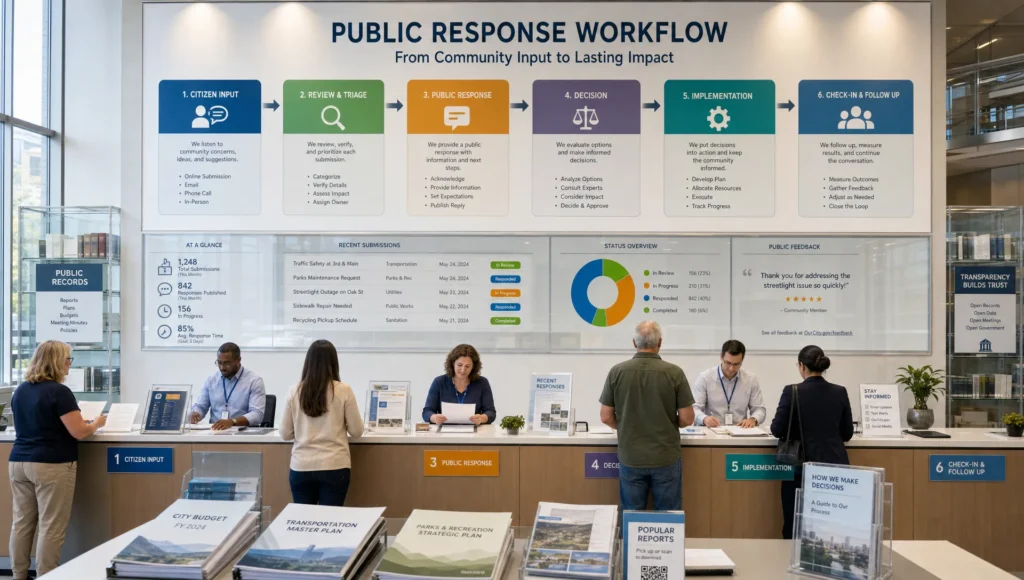
Civic participation often fails at the same point: citizens speak, institutions receive the input, and then nothing visible happens. A resident signs a petition. A parent speaks at a school board meet
Civic Participation for Better Local Decision Loops
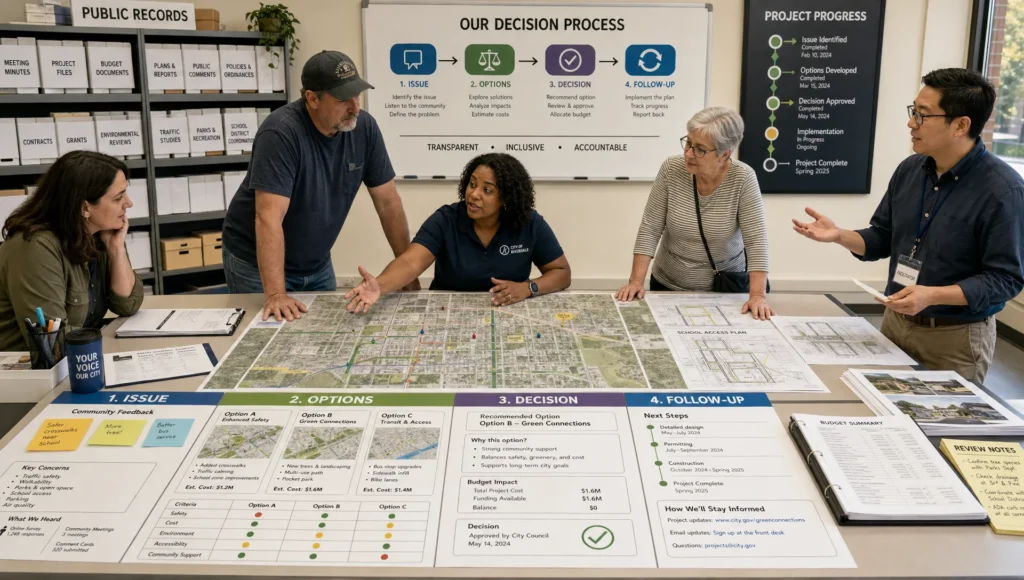
Most local governments do not lack public input. They lack a reliable way to turn public input into better decisions. Residents speak at council meetings, sign petitions, answer surveys, post in neigh
Civic Participation and the Right to Be Counted
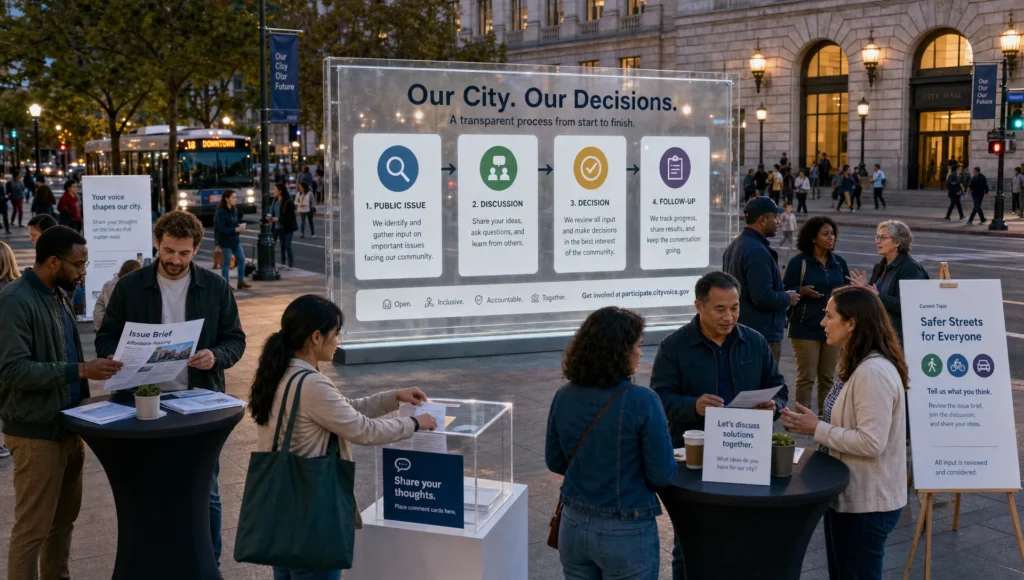
Most citizens are counted intensely on election night, then faintly for the rest of the political cycle. Their vote becomes a number in a column, their tax payments become entries in a budget, and the