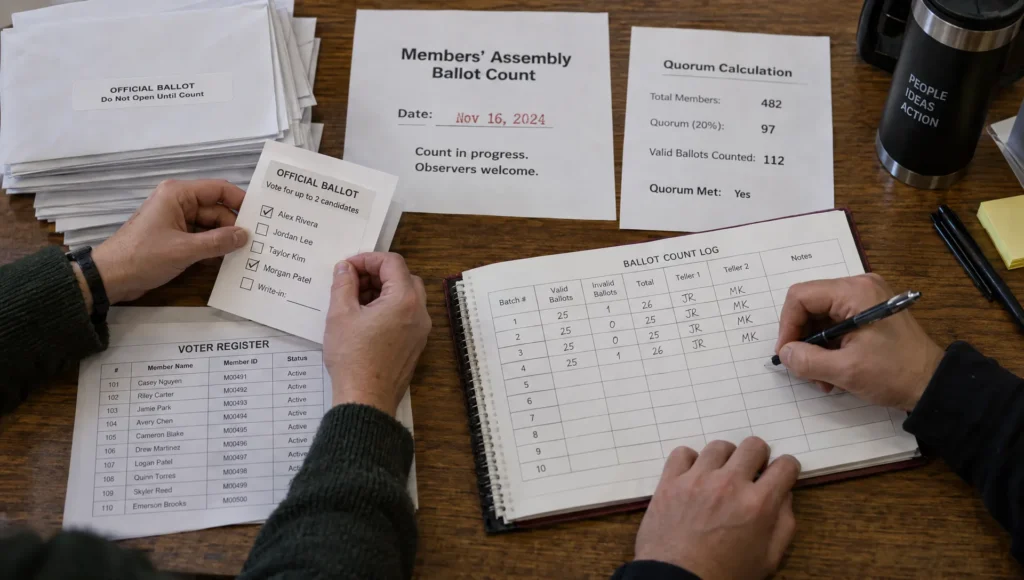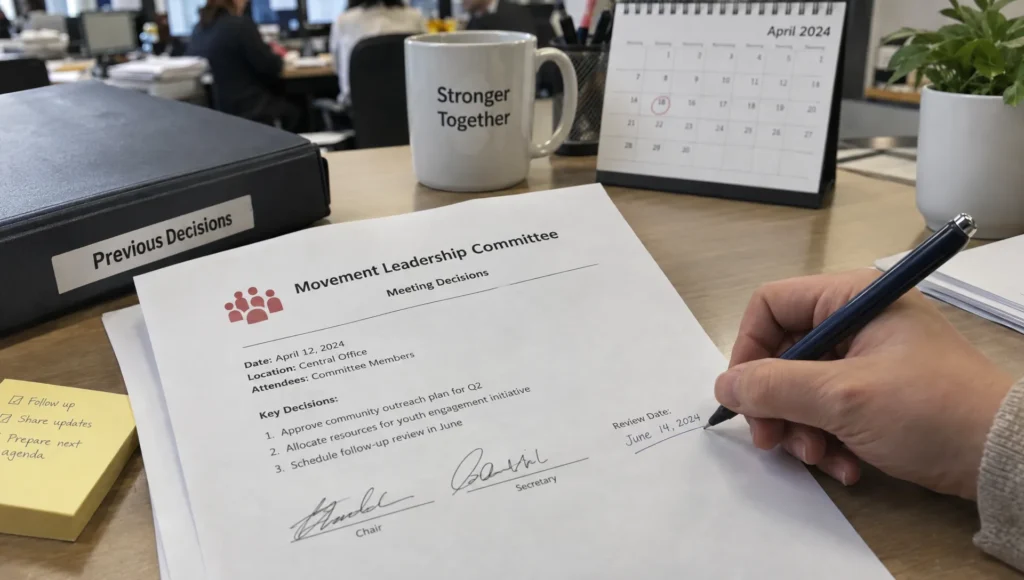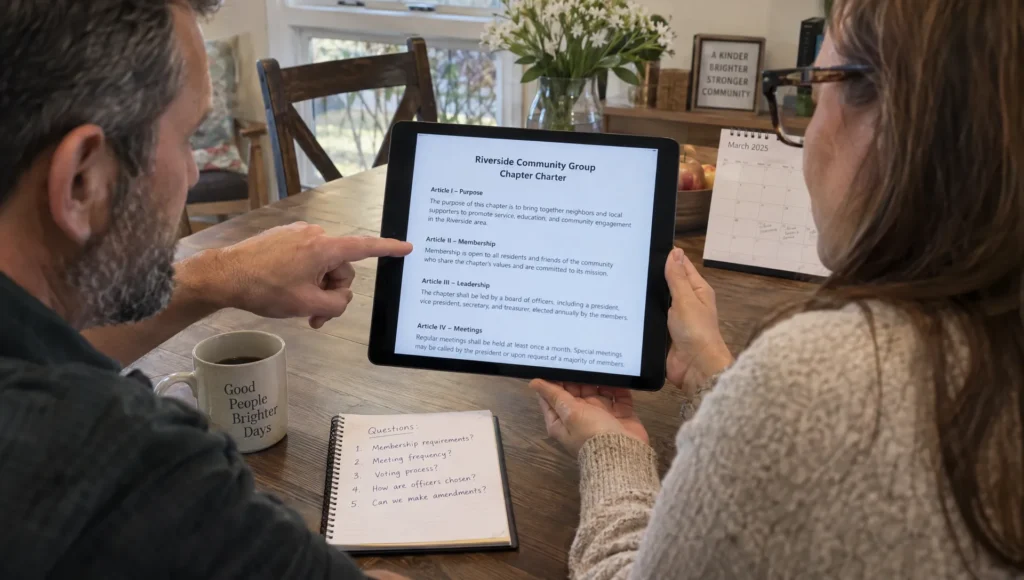
Democracy now happens in comment sections, group chats, livestreams, search results, short videos, petitions, private forums, and public platforms long before it reaches a ballot box or a parliamentary committee. Citizens are already debating policy every day. The problem is that most of this debate is not designed to become public reason.
That distinction matters. Speech is not the same as civic judgment. Outrage is not the same as accountability. A trending post is not the same as a legitimate public argument. If democracy is going to evolve beyond periodic elections and toward more continuous civic participation, online spaces must learn to do more than host reactions. They must help citizens give reasons to one another, test evidence, recognize disagreement, and create a public record that institutions cannot ignore.
This is where discursive democracy and public reason belong together. Discursive democracy asks how public conversation can become a real part of democratic life. Public reason asks what kind of reasons citizens and officials should offer when making decisions that affect everyone. Online, the two ideas become inseparable.
What public reason means online
Public reason is often associated with political philosopher John Rawls, who argued that in a pluralistic society, citizens should justify fundamental political decisions with reasons that others can reasonably understand, even when they disagree. The Stanford Encyclopedia of Philosophy entry on public reason frames the idea around the legitimacy of political power in societies where people hold different moral, religious, and philosophical views.
In plain language, public reason does not mean citizens must abandon their identities, values, anger, faith, or personal experiences. It means that when we ask the state to act in ways that bind everyone, we should try to translate our position into reasons that fellow citizens can evaluate without first having to become exactly like us.
Online, that is difficult. Digital platforms reward speed, certainty, identity signaling, and emotional intensity. A person can be right but unheard, wrong but viral, sincere but misread, or manipulated without knowing it. The architecture of most platforms asks, “Will this keep people engaged?” A democratic public sphere must ask a different question: “Can this help citizens reason together about shared power?”
That is one of the central tensions behind JustSocial’s vision. In the JustSocial manifesto, Yuval D. Vered argues that citizens have been reduced too often to voters, taxpayers, and consumers, while the state fails to listen continuously. The manifesto calls for a public culture where people can weigh in on civic life far more regularly, using technology to make government more responsive. But if continuous participation is to strengthen democracy rather than flood it with noise, it needs public reason as a civic discipline.
Discursive democracy is the layer between expression and decision
Discursive democracy is not only about formal deliberative democracy, where selected citizens gather to discuss a defined issue and produce recommendations. Those models are valuable, but discursive democracy is broader. It includes the ongoing public conversation that forms civic understanding before, during, and after formal decisions.
A society needs elections. It may need referendums. It certainly needs institutions. But between private opinion and public power, there must be a visible layer where citizens exchange reasons, challenge evidence, surface lived experience, and create pressure for institutional response.
Without that layer, online politics becomes a battlefield of isolated signals. A like says little. A share may mean agreement, shock, irony, or group loyalty. A poll can capture preference without understanding. Even a vote can tell government what people chose without explaining why.
Discursive democracy tries to make the “why” visible. It gives public life a memory, a vocabulary, and a structure. That is why JustSocial’s broader argument for continuous direct democracy should not be understood as “more buttons to press.” It is about building democratic systems where citizen input, public reasoning, institutional accountability, and transparent decision-making reinforce one another.
| Democratic layer | Core question | Common online failure | Discursive upgrade |
|---|---|---|---|
| Expression | What do people feel or think? | Viral emotion replaces civic meaning | Citizens can state claims in context |
| Reason-giving | Why should others accept this? | Arguments collapse into slogans | Reasons are attached to values and evidence |
| Deliberation | What tradeoffs must we face? | Opponents are treated as enemies | Disagreement becomes structured and visible |
| Decision | What should institutions do? | Public input disappears after attention fades | Officials must respond to organized civic signals |
| Memory | What was promised and learned? | Debate resets every news cycle | Records preserve claims, evidence, and outcomes |
A healthy democracy needs all five layers. Online spaces already provide expression at enormous scale. The missing work is to connect expression to reason, reason to decision, and decision to memory.
Why public reason breaks down on today’s platforms
The internet did not create democratic conflict. It revealed, accelerated, and monetized it. People have always disagreed about justice, identity, security, taxes, religion, education, and the role of the state. What changed is the speed and structure of visibility.
On many platforms, public debate breaks down for predictable reasons. First, attention is often distributed by algorithms that optimize engagement rather than civic quality. Second, social identity becomes fused with policy preference, making disagreement feel like personal attack. Third, evidence circulates without stable context, so screenshots, fragments, and claims outrun verification. Fourth, public officials can observe online debate selectively, responding to the loudest signals while ignoring quieter but more representative concerns.
JustSocial has already explored how political algorithms reshape the public square. The public reason angle adds another point: if algorithms influence what citizens see, then they also influence what reasons become publicly available. A democracy cannot treat that as a private technical detail. The structure of visibility is now part of the structure of political judgment.
This does not mean every platform must become a parliament. It does mean that civic platforms, public comment systems, digital participation tools, and online voting platforms should be designed around democratic legitimacy, not only engagement.
What public reason online should require
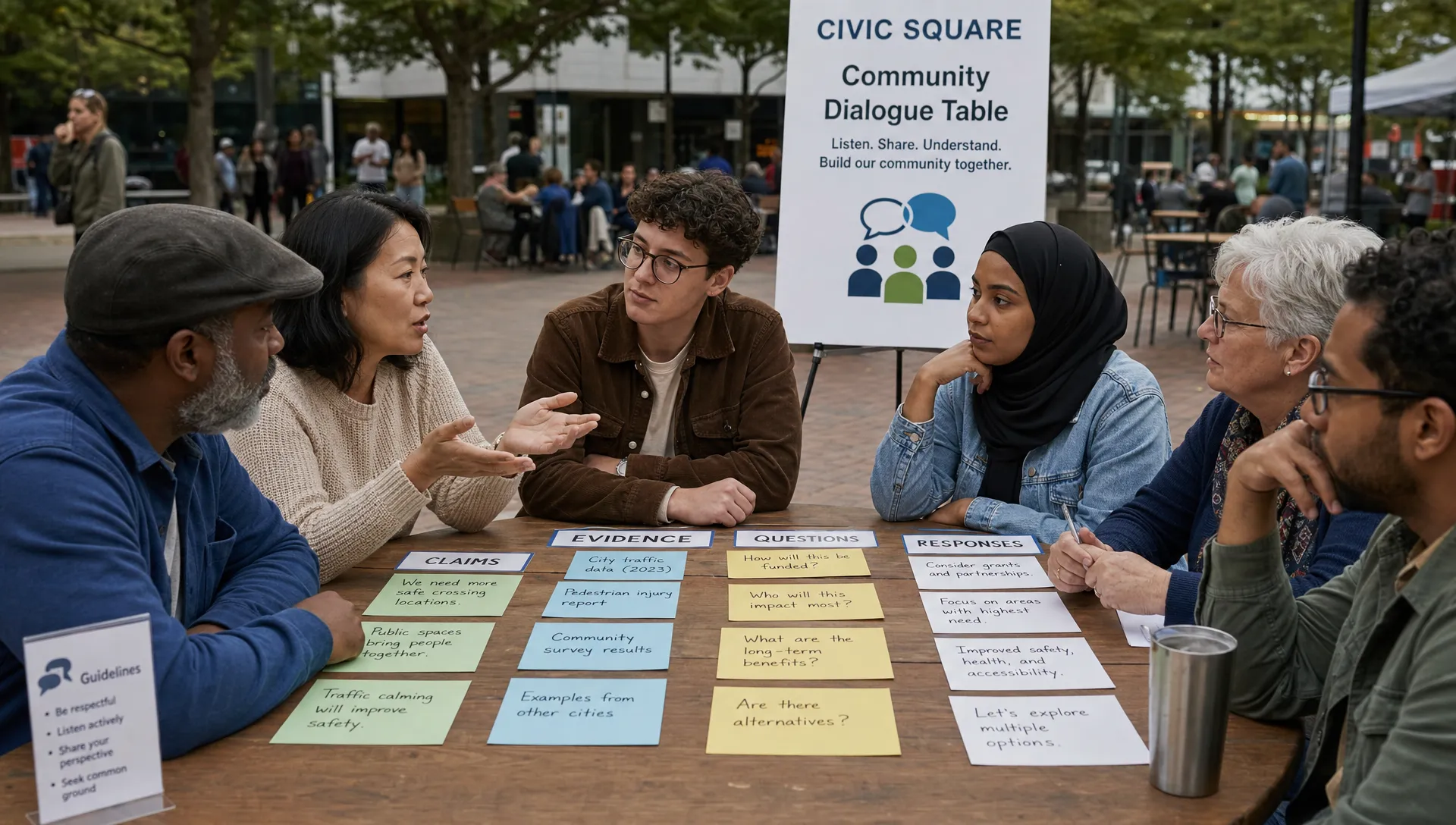
Public reason online cannot depend on everyone becoming calm, perfectly informed, or philosophically trained. Democracy is for real people, not ideal citizens imagined in a seminar room. The task is to design civic spaces that make better reasoning easier and worse incentives less dominant.
A public-reason-oriented civic platform should encourage several habits:
- Accessibility: Citizens should be able to understand the issue, the decision being considered, and the practical consequences of different choices.
- Reciprocity: Participants should be invited to explain why their position could be acceptable to people who do not share their background or ideology.
- Evidence visibility: Claims should be connected to sources, testimony, data, or clearly labeled personal experience.
- Minority protection: A majority preference should not erase the rights, fears, or arguments of smaller groups.
- Institutional response: Public bodies should explain how citizen input was considered, rejected, modified, or adopted.
- Traceability: Democratic debate should leave a record that citizens, journalists, researchers, and officials can revisit.
Traceability is especially important. If people spend hours offering testimony, analysis, and proposals, then nothing happens, participation becomes humiliation. Citizens learn that the system wants their attention but not their judgment. Discursive democracy must therefore create what JustSocial elsewhere calls public memory: a civic record of what was said, what was supported, what was contested, and what institutions did next. For a deeper look at that idea, see how discursive systems can turn debate into public memory.
The JustSocial manifesto and the challenge of continuous participation
The JustSocial manifesto is not simply a call for better comment sections. It argues that the inherited structures of the Industrial Revolution still shape schools, workplaces, government, and public life. Its proposed alternative is a “Cosmopolis,” a more intimate and participatory political culture made scalable by technology.
One of its strongest claims is that citizens should be heard continuously, not only once every few years. That idea challenges the habits of representative democracy, where public participation is often compressed into elections, protests, polling, and occasional consultation.
But continuous participation creates a design challenge. If everyone can speak more often, how does society avoid drowning in repetition, manipulation, harassment, and shallow preference signals? Public reason is part of the answer.
A continuous direct democracy should not merely count clicks. It should organize reasons. It should let citizens say, “This policy affects my neighborhood because…” or “I oppose this budget priority because…” or “I support this reform, but only if these safeguards exist.” It should show where consensus is forming, where disagreement is principled, where evidence is weak, and where institutions owe the public an explanation.
That is also why anonymity and identity must be handled carefully. The manifesto imagines willing and anonymous political identity, where citizens can be counted and heard without exposing every part of themselves to social punishment or state abuse. In practice, democratic technology must balance verification, privacy, and accountability. People need protection from coercion and surveillance, while the system needs protection from bots, duplicate participation, and coordinated manipulation.
Academia, education, and the discipline of public reason
The manifesto’s proposal for academia as an independent branch of government is provocative, but it points to a real democratic need: public debate needs institutions that can help separate evidence from noise without becoming rulers over opinion.
Public reason does not mean experts decide everything. It means experts, citizens, officials, journalists, and communities each have a role in forming better judgment. Experts can clarify evidence and uncertainty. Citizens can bring values, priorities, and lived experience. Officials can explain constraints and consequences. Journalists can investigate power. Civic platforms can make the entire exchange visible.
Education matters here. The manifesto’s section on educational reform criticizes industrial schooling and argues for more holistic, student-responsive learning. A democracy built on public reason would treat civic reasoning as a life skill. Students would learn not only how to pass tests, but how to ask public questions, evaluate claims, listen across difference, and participate responsibly in shared decisions.
That connection is often missed. Democracy is not sustained only by constitutions. It is sustained by habits. If online public spaces reward contempt, citizens practice contempt. If civic platforms reward reason-giving, evidence, and accountability, citizens practice democracy.
From online debate to legitimate public power
Discursive democracy is sometimes mistaken for endless talk. That is a mistake. The point is not to delay decisions until everyone agrees. The point is to improve the legitimacy of decisions by making the reasons around them public, structured, and answerable.
In a pluralistic society, people will continue to disagree. Public reason does not eliminate conflict. It civilizes conflict enough for free citizens to remain part of the same political community. It asks us to move from “my side must win” toward “our shared institutions must justify their actions in terms we can publicly examine.”
For governments, this means digital participation cannot be treated as a public relations channel. It must become part of decision-making infrastructure. For citizens, it means civic participation must become more than expression. It must include responsibility for reasons. For a political movement like JustSocial, it means the fight for continuous direct democracy must also be a fight for better democratic speech.
The future of democracy online will not be decided only by whether people can vote through technology. It will be decided by whether technology helps people reason together before and after they vote.
Frequently Asked Questions
What is discursive democracy? Discursive democracy is an approach to democratic life that treats public conversation as a core part of governance. It focuses on how citizens exchange reasons, challenge claims, form opinions, and connect debate to institutional accountability.
How is public reason different from free speech? Free speech protects the right to express views. Public reason asks what kinds of justifications are appropriate when citizens and officials argue for decisions that bind everyone. A democracy needs both freedom of expression and a culture of shared justification.
Is discursive democracy the same as deliberative democracy? They are related, but not identical. Deliberative democracy often refers to structured forums where people discuss and evaluate policy options. Discursive democracy is broader, including the wider public conversation across media, communities, platforms, and institutions.
Why does public reason matter for online voting or digital democracy? Online voting can capture preferences, but it cannot by itself explain the reasons behind those preferences. Public reason helps digital democracy become more legitimate by connecting votes, comments, evidence, disagreement, and official response.
Help build a more reasoned digital democracy
If democracy is going to become more continuous, it must also become more thoughtful, transparent, and accountable. JustSocial is a political movement working toward citizen empowerment, direct democracy tools, and public systems that listen to people beyond election day.
Explore the ideas behind the movement in the JustSocial manifesto, and consider how your skills, community, or civic energy could help turn online participation into real democratic power.