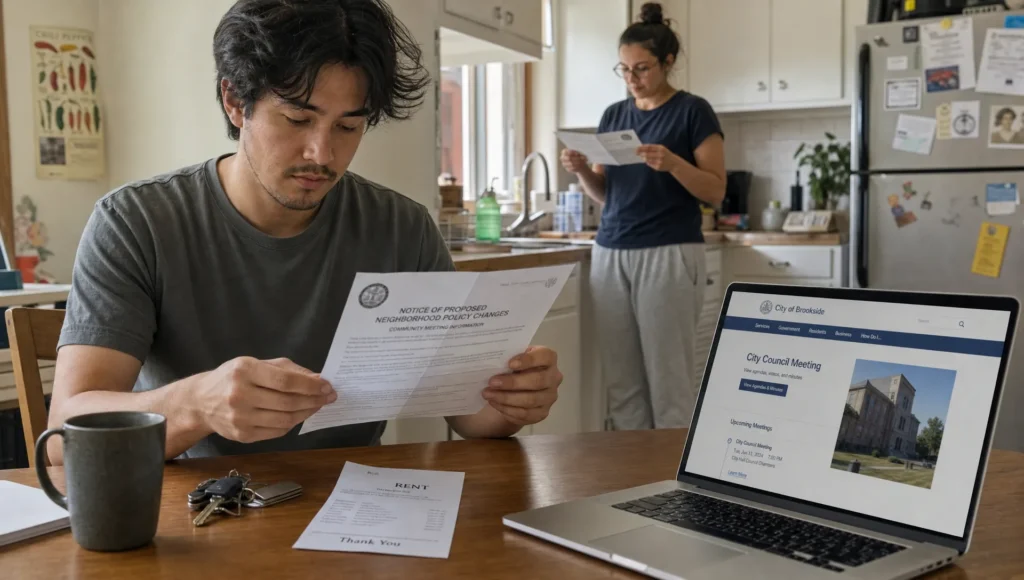
Caregivers often live inside other people's schedules: medication times, school pickups, medical appointments, night wakings, meals, transport and the quiet emotional labor that holds a household together. Civic participation can feel like one more demand on a life already stretched thin, but it does not have to mean attending every meeting, arguing online or volunteering for hours you do not have. For caregivers, the most realistic path is small, repeated action tied to decisions that affect care, safety, education, health and local services.
That idea fits closely with the JustSocial vision of continuous direct democracy. The JustSocial manifesto argues that people should not be reduced to voters, taxpayers and consumers who are heard only once every few years. Caregivers make that argument visible every day. They already understand how public policy lands in real homes, often before officials do.
Why caregivers need a different model of civic participation
Traditional civic life was designed around people who can leave home, sit through evening meetings, follow long agendas and return the next month. Many caregivers cannot do that consistently. A parent of a child with disabilities, an adult caring for an aging parent or a spouse supporting someone through illness may have only small pockets of attention.
That does not make their voices less civic. It often makes their insight more precise. Caregivers see where systems fail: inaccessible transport, confusing benefits, long waitlists, school support gaps, unsafe sidewalks, fragmented health services and public websites that bury basic information.
A caregiver-friendly model of civic participation starts with respect for time. It treats participation as a pattern of short signals, not a heroic public performance. The goal is to connect lived experience to a real decision, leave a record and receive some form of public accountability.
Civic participation for caregivers starts with one narrow lane
The fastest way to burn out is to try to follow every issue. Caregivers need a lane that matches their lived reality and offers a reasonable chance of influence. That might be school policy, elder services, disability access, local transport, public health, housing inspections, emergency preparedness or childcare affordability.
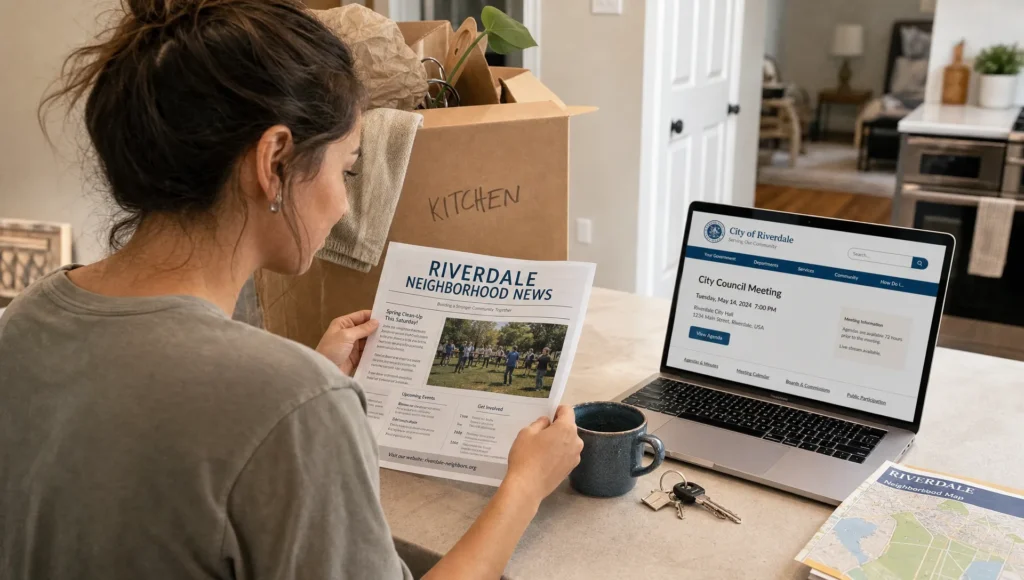
Once you choose a lane, build a simple "decision radar." This is not a news feed. It is a short list of places where actual decisions appear: city council agendas, school board calendars, public consultation pages, committee recordings, budget notices and local representatives' newsletters. JustSocial has a broader civic participation checklist for busy people that can help you set up this structure without turning it into a second job.
| Caregiver concern | Decision to watch | Low-time action | Evidence to save |
|---|---|---|---|
| School support | School board agenda | Send a short written comment | Email receipt or agenda link |
| Elder care access | Local health or social services meeting | Ask one practical question | Response from office or meeting minutes |
| Safer streets | Transportation committee | Upload a photo and location note | Service request number |
| Disability access | Public building or transit review | Submit an accessibility barrier | Confirmation number |
| Childcare cost | Budget hearing or public survey | Support a specific funding line | Survey copy or public record |
The table is simple because the habit must be simple. If an action does not connect to a decision, it may still be expressive, but it is less likely to change policy.
Discursive democracy in the margins of the day
Discursive democracy is the layer of public life where people shape the conversation before decisions are made. For caregivers, this can happen in five-minute windows: while waiting at a clinic, during a school pickup line or after bedtime when there is finally quiet.
This does not mean posting constantly. It means improving the quality of public discussion. Share the agenda link instead of only sharing frustration. Correct one misleading claim with a source. Ask whether a proposal includes disabled residents, working parents, home care workers or unpaid family caregivers. Thank a local journalist for covering a neglected care issue and add one practical detail from your own experience.
A useful caregiver rule is this: never spend more time arguing about a problem than you spend pointing people to the decision-maker responsible for it. Public conversation matters most when it helps neighbors find the door where power is actually being exercised.
Deliberative democracy when you cannot attend the room
Deliberative democracy is different from general discussion. It is about weighing options, considering tradeoffs and helping a group make a better decision. Caregivers often assume they must be physically present to take part in deliberation, but many institutions now accept written comments, online surveys, recorded testimony, email questions and remote meeting participation.
A caregiver's written note can be more useful than a long speech if it is specific. Instead of "the system is broken," try: "The proposed clinic hours do not work for residents who depend on paratransit because the last pickup in this area is often before 5:30 p.m. Please require one evening clinic day or fund transport support."
That kind of comment does three things. It identifies the policy, names the affected group and proposes a workable adjustment. It is not just complaint. It is civic knowledge.
A weekly routine that respects care work
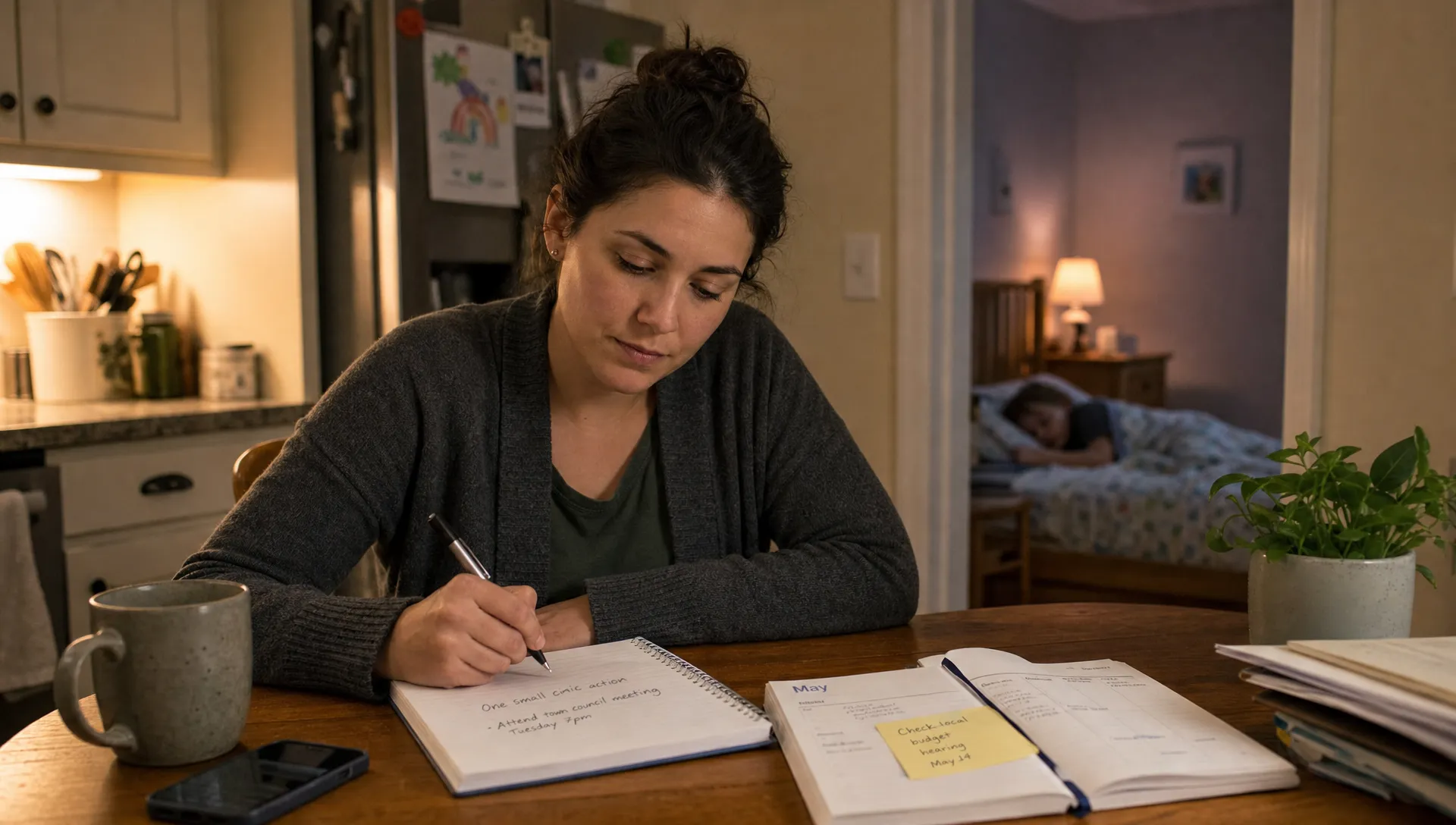
Caregivers need routines that survive bad weeks. A practical baseline is one short civic session per week, with optional smaller actions when energy allows. If you already like daily routines, the JustSocial guide to civic participation in 10 minutes a day gives a useful structure. Caregivers may need an even more flexible version.
A weekly rhythm can look like this:
- Scan one agenda or newsletter connected to your chosen lane.
- Save one decision date, deadline or contact.
- Send one short comment, question or support message.
- Record the receipt in a note, spreadsheet or folder.
- Share the action with one trusted person who may be affected.
This is civic participation as maintenance, not spectacle. Some weeks, the only action may be saving a meeting date. That still counts if it helps you stay connected to the decision cycle.
Make technology serve the caregiver, not the other way around
The JustSocial manifesto makes a blunt point: public systems often lag far behind the technology people already use in private life. Caregivers feel that lag sharply. A public agency that requires phone calls during work hours, paper forms, unclear PDFs or in-person testimony quietly excludes people whose time is already claimed by care.
On the personal side, reduce your own technical friction. Keep a small civic folder with templates, representative contacts, meeting links and receipts. Use calendar alerts for deadlines. Save one message template that you can adapt in under ten minutes. If your device is slow or full right before an online public meeting, even basic maintenance such as using a Mac cleaner that frees disk space and clears caches can remove one avoidable obstacle from a tight schedule.
Technology is not a substitute for democracy, but it can decide who gets to participate. A caregiver-friendly online voting platform, public comment tool or transparency portal should be mobile-accessible, plain-language, secure and asynchronous. If participation only works for people with uninterrupted evenings, the design is political whether officials admit it or not.
What a caregiver-friendly political movement should demand
A political movement that takes caregivers seriously should not only ask caregivers to show up. It should redesign participation so they can be heard without sacrificing the people who depend on them.
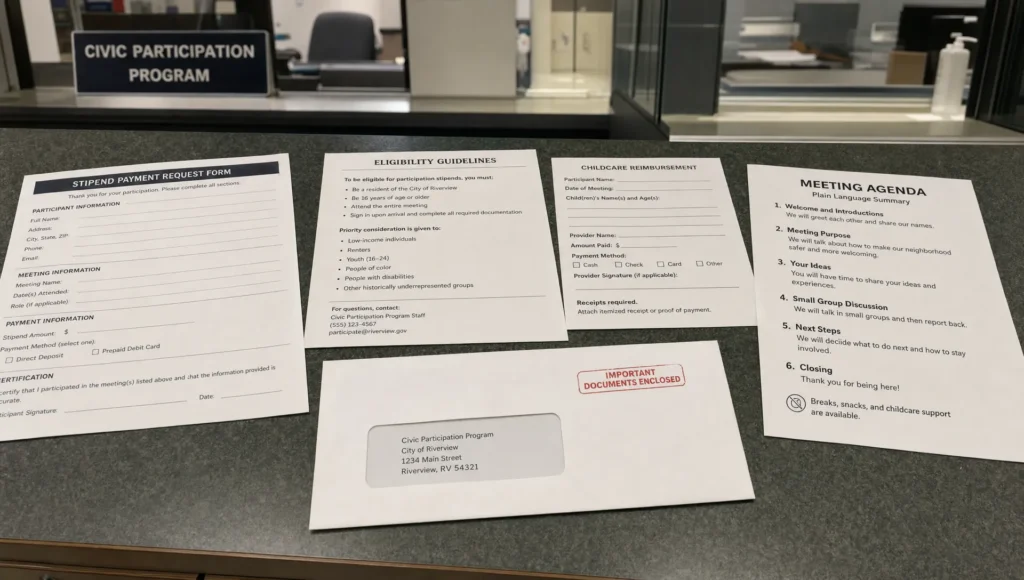
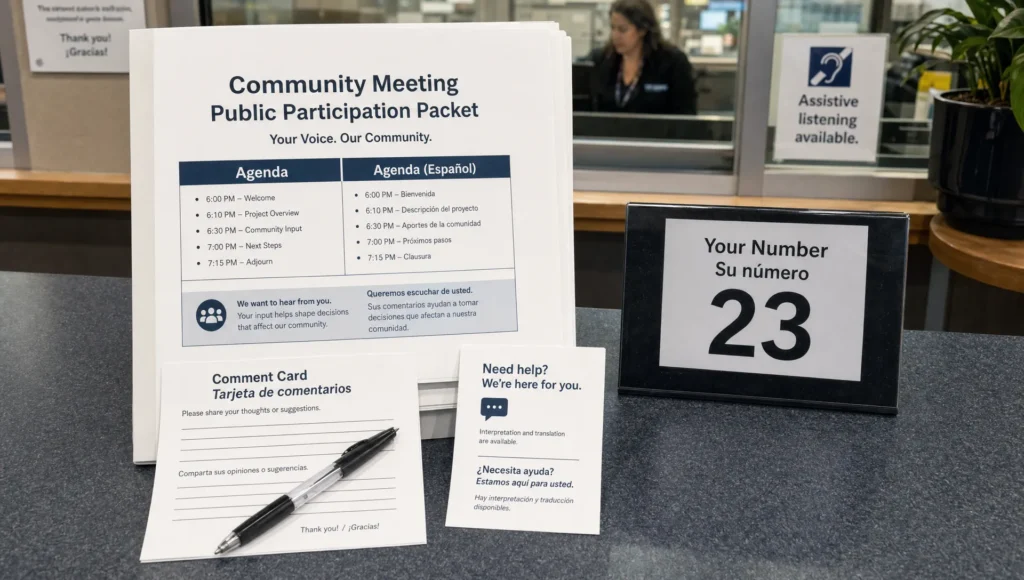
At the local and national level, caregiver-friendly public participation includes meeting recordings, searchable agendas, remote comments, plain-language summaries, clear deadlines, multilingual access, disability access and response tracking. Public bodies should publish not only what they decided, but which public concerns were considered and why some were accepted or rejected.
This connects directly to government transparency. If a caregiver submits testimony about unsafe transit access, the public record should not swallow it into silence. There should be a traceable line from citizen input to official response, even when the final decision goes another way.
That is also where citizen empowerment via technology becomes practical rather than abstract. The point is not to replace representatives with constant referendums on every detail. The point is to make public opinion visible, organized and hard to ignore between elections.
Turning caregiver experience into public data without losing privacy
Caregivers hold sensitive information. A parent may want to describe a school failure without exposing a child's diagnosis. An adult child may want to discuss elder care gaps without revealing private medical details. Civic participation must therefore protect privacy, especially when platforms invite people to identify their circumstances.
JustSocial's model of continuous direct democracy emphasizes that public officials should be able to understand what people think and need across city, state and national affairs. For caregivers, that only works if systems collect signals responsibly. People should be able to identify broadly, such as "family caregiver," "parent of a disabled student" or "home care worker," without being forced to disclose more than necessary.
Good participation tools should allow anonymous or privacy-preserving input where appropriate, verify that participants are part of the relevant community and publish aggregate results. This makes the caregiver voice visible without turning personal hardship into public exposure.
The caregiver as a branch of public knowledge
One of the more original ideas in the JustSocial manifesto is that "the people" should function as a continuous branch of government, with academia serving as another independent source of standards, evidence and education. Whether or not a country adopts that exact structure, the principle matters: public knowledge should not flow only from officials down to citizens.
Caregivers generate public knowledge every day. They test whether policies work at 2 a.m., in emergency rooms, at bus stops, in school offices and in benefit portals. Deliberative democracy improves when that knowledge is invited early, not after a policy fails.
This is where care experience becomes politically powerful. A caregiver does not need to master every theory of governance to say, accurately, "This process excludes people like us." That sentence, when attached to a specific rule, deadline or budget item, can change the quality of a decision.
A simple message template for caregivers
You can adapt this template for a school board, city council, agency consultation or representative's office:
I am writing as a caregiver affected by [issue]. I cannot attend the meeting because of care responsibilities, but I ask that this comment be added to the public record. The current proposal affects people like us by [specific impact]. Please consider [specific change or question]. I would appreciate a written response or a link to where public comments and responses will be posted.
This template works because it names the barrier, connects personal experience to public impact and asks for a receipt. It also makes the democratic problem visible: if many caregivers cannot attend, the meeting format is part of the policy issue.
How to measure whether your effort is working
Caregivers do not have time for symbolic activity that never reaches a decision. Measure your civic participation by whether it creates a record, reaches a responsible office and helps other affected people coordinate.
Useful signs include a reply from a representative, a public comment included in minutes, a question repeated by a board member, a budget line amended, a service request resolved or a journalist following up. Not every action will win. The point is to build civic memory so officials know that caregivers are watching, documenting and returning.
This is how limited-time participation becomes cumulative. One caregiver's email may be easy to ignore. Ten caregivers using the same decision radar, saving receipts and asking for public responses become harder to dismiss.
Frequently Asked Questions
What if I only have ten minutes a week? Use the time to follow one decision and send one specific message. Ten minutes is enough if the action is linked to a real agenda, deadline or public office.
Do caregivers need to attend public meetings to be taken seriously? No. Written comments, emails, surveys, remote testimony and documented service requests can all matter, especially when they are specific and saved as part of a public record.
How can I participate without exposing private family details? Describe the policy impact without unnecessary personal information. Use broad identifiers such as "family caregiver" or "parent of a student receiving support" and ask whether anonymous or aggregated input is accepted.
Is online participation enough? It can be enough for many issues, but it works best when connected to official decision channels. Social media can raise visibility, but comments sent to the responsible public body are usually more durable.
How does this connect to continuous direct democracy? Continuous direct democracy means people are heard between elections, not only during campaigns. For caregivers, that means public systems should accept frequent, secure, low-friction input from people who cannot always appear in person.
Caregivers should not have to disappear from democracy
Care work is not a private inconvenience outside politics. It is one of the places where public systems are tested most honestly. If a democracy cannot hear caregivers, it is missing some of its most important evidence.
JustSocial's larger argument is that modern technology should help rebuild the connection between people and the state. For caregivers with limited free time, that future starts with small but serious habits: choose one lane, follow real decisions, submit short comments, save receipts and ask public bodies to design participation around real life.
A healthier democracy will not be measured only by how many people can attend a meeting. It will be measured by whether the people holding families and communities together can still be heard.