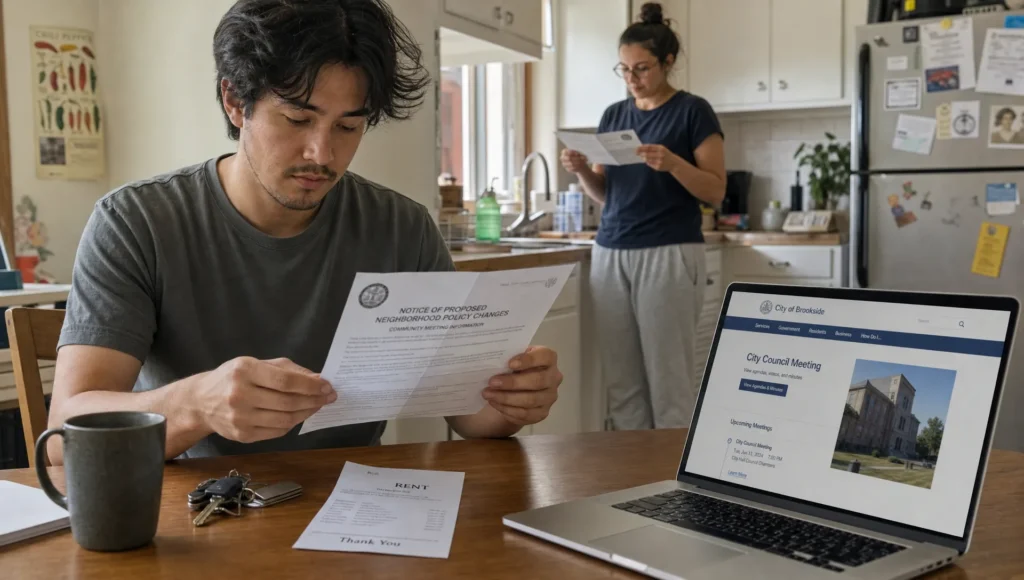
Moving to a new community is more than a change of address. It is a chance to rebuild civic participation from the ground up, not as a slogan but as a weekly practice of listening, learning and taking responsibility for the place you now call home.
That matters because communities do not become democratic only on election day. They become democratic when residents understand how decisions are made, know who is affected by those decisions and have practical ways to weigh in before outcomes are already fixed. This is close to the vision in the JustSocial manifesto, which argues for democracy as a continuous relationship between people and public institutions rather than a ritual that happens every few years.
For newcomers, the challenge is delicate. You have fresh energy, a new perspective and possibly useful skills, but you also lack local context. Good participation after a move begins with humility. The goal is not to arrive with answers. The goal is to become part of the public life of the community in a way that earns trust.
Why civic participation matters most when you are new
A move can make you feel politically invisible for a while. You may not know the mayor’s name, which school board district you live in, where council agendas are posted or which neighborhood issues have been debated for years. That unfamiliarity can lead to withdrawal, even among people who cared deeply about public life where they lived before.
But newcomers shape communities whether they intend to or not. They rent or buy homes, use roads, enroll children in schools, open businesses, join faith communities, change local demand and eventually vote. Civic participation helps turn that impact from accidental pressure into responsible membership.
There is also a democratic reason to get involved early. JustSocial’s manifesto draws on the idea of the Greek Polis, where people were not merely subjects of the state but active members of a shared civic world. Modern communities are larger, more complex and more technologically mediated, but the underlying need is similar: people need meaningful contact with the decisions that shape their lives.
A newcomer who participates well can help strengthen that contact. You can ask sincere questions, make public information easier to understand, connect isolated groups and bring skills from your previous community. The first step is learning the local civic ecosystem.
The first 30 days: learn before trying to influence
The opening month after a move is usually full of logistics. Utilities, schools, doctors, commutes and home repairs can crowd out public life. Still, you can begin civic participation in small ways without adding another major burden.
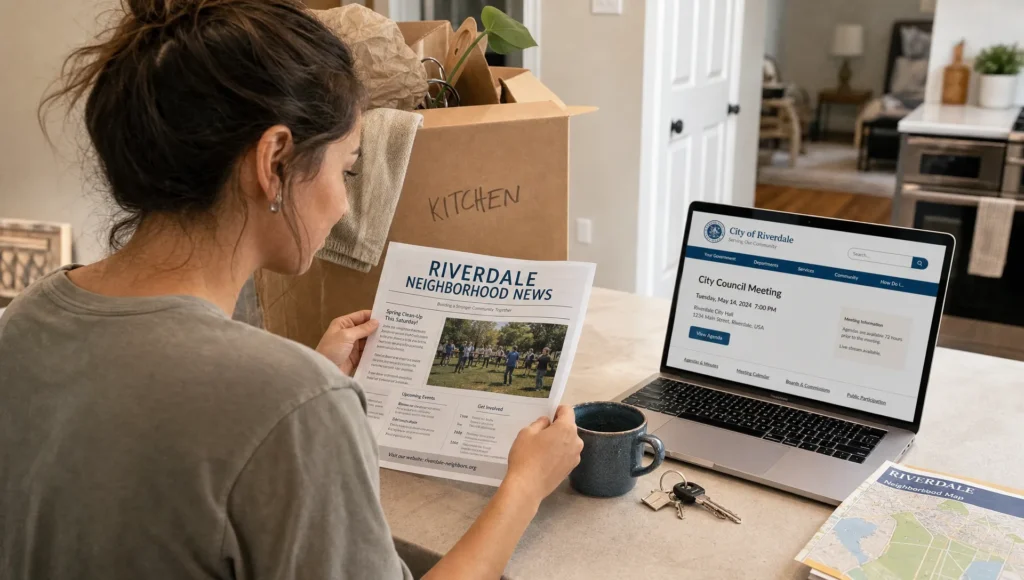
Start by building a civic map. This is not activism yet. It is orientation. Find out which institutions make decisions, when they meet, how residents can speak and where records are published. In many U.S. communities, city councils, county boards, school boards, planning commissions, library boards and transit authorities all make decisions that directly affect daily life.
| What to find | Why it matters | Where to look first |
|---|---|---|
| Local government calendar | Shows when decisions are discussed | City, county or town website |
| Council and board agendas | Reveals what is actually up for action | Meeting agenda pages |
| Public comment rules | Helps you participate respectfully | Clerk’s office or meeting notices |
| School board information | Shapes education, budgets and student life | District website |
| Neighborhood associations | Shows local concerns before they become formal policy | Community groups, libraries, local newsletters |
| Election office | Confirms registration rules and deadlines | Official state or county election site |
If you are eligible to vote, update your voter registration early. In the United States, Vote.gov can direct you to official state information, but local election offices are usually the best source for precise deadlines, district boundaries and ballot details.
During this phase, listen more than you speak. Read recent meeting minutes. Search local news archives. Ask neighbors what issues have been frustrating people for years. Notice which groups seem well represented and which are absent. Discursive democracy begins here, in the everyday conversations that shape public understanding before any formal vote occurs.
Days 31 to 60: move from observation to useful participation
After a month, you should have a rough sense of the community’s public rhythm. Now the question becomes where you can be useful. Civic participation is strongest when it connects personal concern to an actual decision point, not just general opinion.
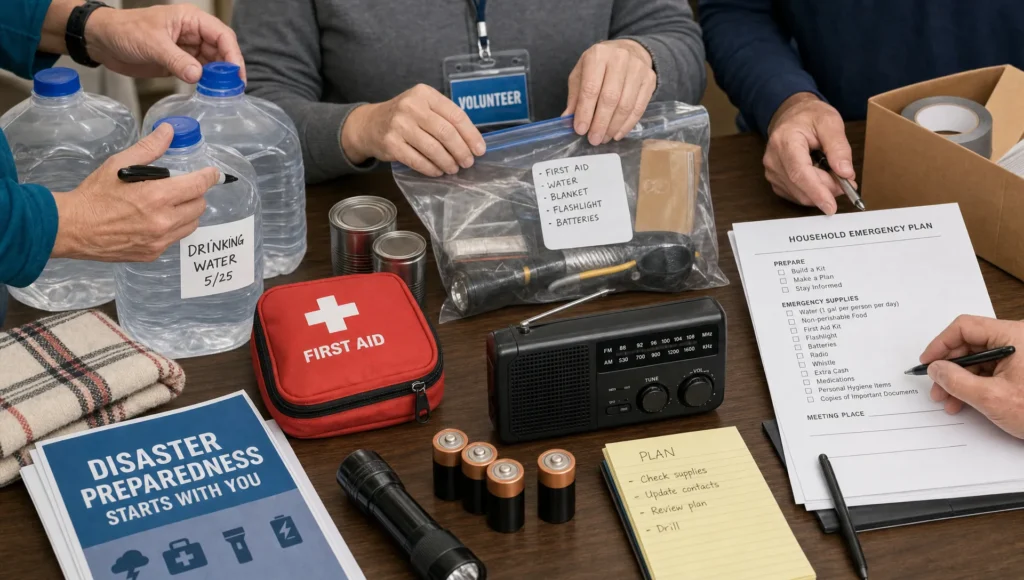
Choose one issue that touches your life and has a public pathway. That might be pedestrian safety near your street, school start times, park maintenance, housing rules, public transit, library hours, stormwater problems or local emergency preparedness. Avoid trying to engage everything at once. A focused issue helps you learn how the community works without burning out.
Then find the decision chain. Who can act on the issue? Is it a city department, council committee, school board, county agency or state representative? Is there a budget cycle, public hearing or advisory committee involved? The difference between venting and participation is often knowing where a concern can actually be heard.
A practical rhythm can look like this:
- Attend one public meeting, even if you do not speak.
- Introduce yourself to one neighbor or local organizer working on the issue.
- Read one relevant public document, such as a budget line, agenda packet or planning report.
- Send one concise, respectful email to the official body responsible for the decision.
- Keep one note on what happened next, including any response or lack of response.
This is the kind of small, repeatable work JustSocial emphasizes in its broader argument for continuous democracy. If you want a wider menu of entry points, the guide to practical ways to get involved now can help you match your time and skills to meaningful local action.
Days 61 to 90: practice deliberative democracy, not just opinion-sharing
By the third month, you may feel ready to advocate. That is useful, but advocacy becomes stronger when it is paired with deliberative democracy. Discursive democracy improves the conversation. Deliberative democracy improves the decision.
The difference matters for newcomers. It is easy to join a local Facebook thread, repeat a strong opinion and feel involved. It is harder, and more valuable, to help people compare tradeoffs, clarify facts and move toward a proposal that a public body can realistically consider.
| Democratic mode | What it does | Newcomer practice |
|---|---|---|
| Discursive democracy | Improves how people talk about public problems | Ask good questions, reduce rumor, share verified information |
| Deliberative democracy | Helps people weigh options and tradeoffs | Host or join structured discussions with clear choices |
| Representative democracy | Elects officials to make binding decisions | Learn who represents you and how they vote |
| Continuous direct democracy | Keeps public input active between elections | Use available tools, meetings and public records to weigh in regularly |
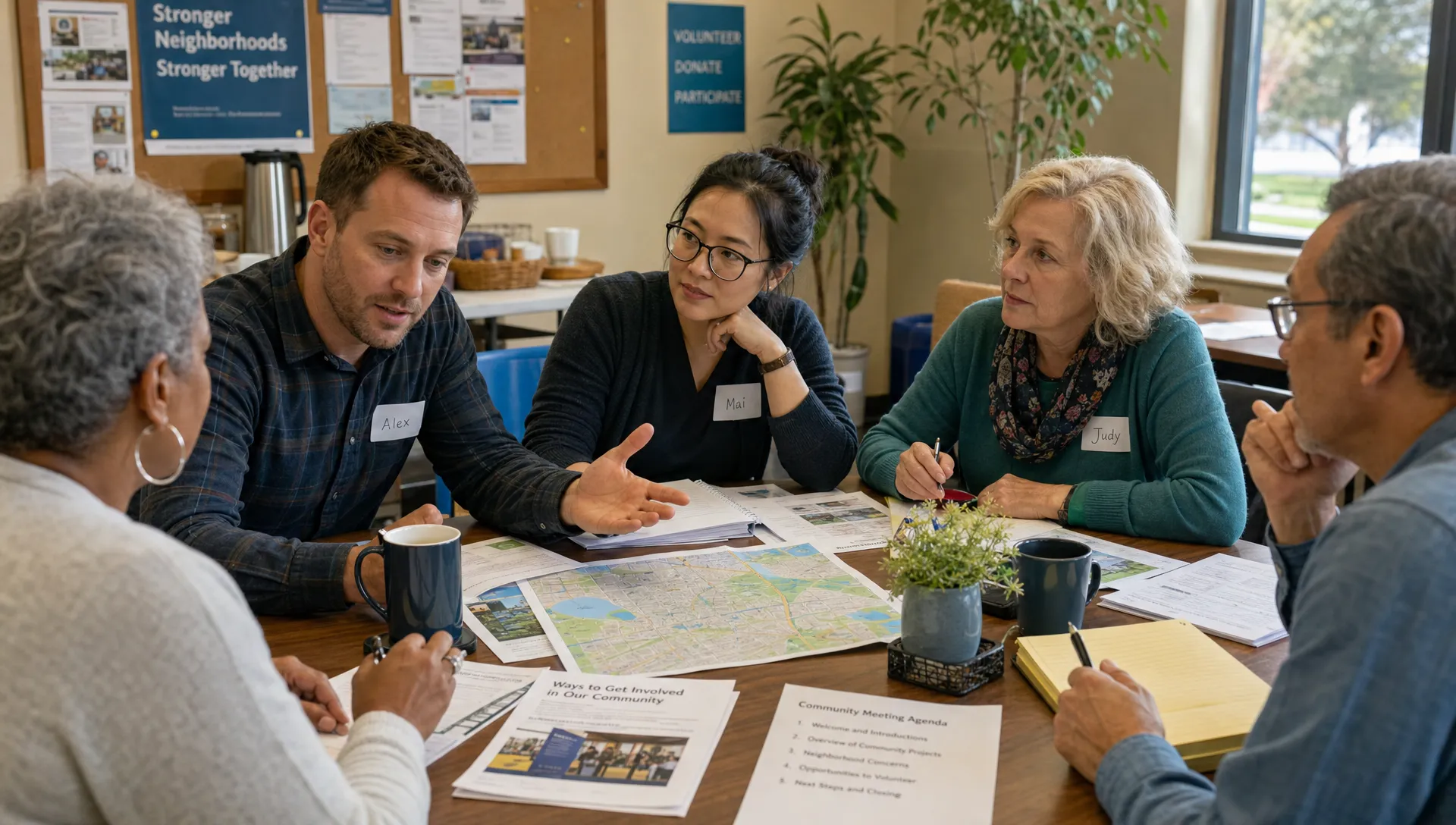
A simple deliberative practice is to invite a small group of neighbors to discuss one local issue with three ground rules: define the problem clearly, name who is affected and compare at least two possible solutions. Do not aim for total agreement. Aim for a better public question.
For example, instead of “the city does not care about traffic,” the group might produce a more useful question: “Should the city prioritize a crosswalk, speed cushions or a school-zone enforcement request on this street, and what evidence would help decide?” That shift turns frustration into civic material.
How to avoid newcomer mistakes that weaken trust
New residents often make mistakes because they underestimate local memory. A proposal that sounds obvious to you may have been debated for years, blocked by funding rules or connected to a painful community conflict. Before pushing a solution, ask what has already been tried.
Another mistake is importing national political frames into every local issue. National politics matter, but many local decisions are more specific than national talking points allow. Trash pickup, zoning, school staffing, road safety and library access often require practical coalitions among people who disagree on larger ideology.
Avoid claiming to speak for the community too quickly. You can speak as a resident, a parent, a renter, a business owner, a student or a neighbor. Speaking for everyone requires trust, and trust takes time. The fastest way to lose it is to treat a new community as a blank canvas for your preferred theory of change.
It also helps to be careful with digital spaces. Local social media can reveal concerns, but it can also magnify anger and distort what most residents think. Attend in-person meetings when you can. Visit the library. Talk to people who are not posting online. Democracy becomes healthier when public life is not reduced to the loudest comment thread.
Use technology without replacing human presence
JustSocial’s manifesto argues that modern technology can help democracy move beyond old industrial-era structures. Public records, civic platforms, online voting tools, committee livestreams, analytics and open repositories of law can all make government more visible and responsive.
For someone new to a community, technology is especially useful for orientation. You can subscribe to meeting alerts, review agendas, watch archived sessions and compare what officials promised with what later happened. These tools lower the barrier to civic participation for people with jobs, caregiving responsibilities, disabilities or limited transportation.
But technology should not become a substitute for belonging. A dashboard can show that residents oppose a proposal, but it may not explain fear, history, mistrust or hope. An online poll can count preferences, but it cannot automatically create shared responsibility. The strongest model combines digital access with human conversation.
That balance reflects the larger JustSocial vision of a political movement built around citizen empowerment. The point is not to make politics more performative. The point is to make public life more transparent, more continuous and more connected to the people affected by it.
A 90-day civic participation plan for newcomers
If you want a simple structure, treat your first three months as a civic onboarding period. You do not need to become a full-time activist. You need a repeatable habit of attention and action.
| Time period | Main goal | Practical action |
|---|---|---|
| Days 1 to 30 | Understand the civic landscape | Map local institutions, meetings and public information sources |
| Days 31 to 45 | Choose one issue | Pick a decision-connected concern that affects daily life |
| Days 46 to 60 | Make first contact | Attend a meeting, email an official or speak with a local organizer |
| Days 61 to 75 | Build local context | Talk with affected residents and read background documents |
| Days 76 to 90 | Contribute constructively | Offer a public comment, join a committee, volunteer or support a proposal |
Keep your commitment realistic. If you have only one hour a week, use it well. Read an agenda. Send a short note. Attend one meeting each month. Share accurate information with neighbors. The article on what civic participation looks like between elections expands on this idea of democratic life as an ongoing practice rather than a single ballot-box event.
One useful habit is keeping a civic log. Write down the issue, the institution responsible, the next decision date, the people you contacted and the outcome. Over time, this creates a personal record of accountability. It also helps you see whether participation is producing movement or merely absorbing your attention.
When civic participation becomes a political movement
Most people do not join a new community expecting to help build a political movement. They want to settle in, understand local norms and be good neighbors. Yet political movements often begin with exactly that: ordinary residents noticing that private frustration is connected to public systems.
The move from individual concern to movement work should be careful. A healthy political movement does not treat neighbors as props, reduce disagreement to betrayal or use community pain only as a campaign asset. It builds shared language, public evidence, transparent goals and ways for more people to participate without needing insider status.
This is where newcomers can contribute without dominating. You can help document problems, invite quieter residents into discussion, translate bureaucratic language into plain English or bring digital skills that make public information easier to access. In the spirit of JustSocial, the deeper goal is not simply to win one issue. It is to help build a culture where citizens expect to be heard continuously and where institutions expect to listen.
That kind of participation changes the meaning of moving somewhere. You are not just finding a place to live. You are entering a social contract with the people around you.
Frequently Asked Questions
How soon should I begin civic participation after moving to a new community? You can begin immediately by listening, reading local information and updating voter registration if you are eligible. Public advocacy can come later, once you understand local history and decision-making channels.
What is the best first meeting to attend as a newcomer? A city council, town board, county board or school board meeting is usually a strong starting point. Choose the body most connected to your daily life and review the agenda before attending.
How can I participate if I do not feel comfortable speaking in public? You can send written comments, volunteer with community groups, help neighbors understand public documents, share verified information or attend meetings quietly while you learn. Speaking at a microphone is only one form of participation.
What is the difference between deliberative democracy and regular debate? Regular debate often focuses on winning an argument. Deliberative democracy asks participants to compare options, consider tradeoffs and move toward a decision that public institutions or communities can act on.
Can newcomers become local leaders without seeming intrusive? Yes, but trust comes first. Start with service, consistency and respect for local memory. Leadership becomes welcome when people see that you are committed to the community, not just to your own agenda.
Help build continuous democracy where you live
Moving to a new community gives you a rare civic opportunity: you can choose your habits before inertia sets in. Start small, listen carefully and connect your voice to real public decisions.
If this vision speaks to you, explore JustSocial and read the manifesto’s call for continuous direct democracy, citizen empowerment and public technology that helps people become active members of the state rather than occasional voters.