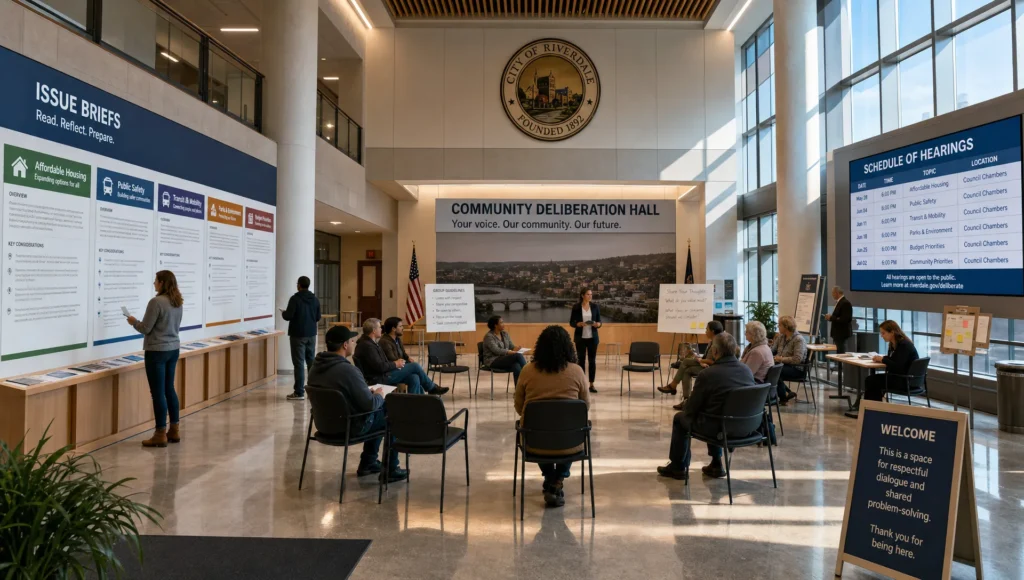
Choosing between a political movement and a civic platform is not a branding decision. It is a theory-of-change decision.
If your main problem is that people feel unheard, isolated, and politically powerless, you probably need a movement first. If your main problem is that people are already willing to participate but the process is chaotic, opaque, or disconnected from decisions, you probably need a platform first.
The hard part is that democratic reform usually needs both. A political movement creates public will. A civic platform turns that will into repeatable civic participation, structured public reasoning, transparent decisions, and visible follow-through. Build them in the wrong order, and you risk either a loud movement that cannot convert energy into outcomes or a polished platform nobody trusts enough to use.
JustSocial’s manifesto, The Face of Democracy, starts from this exact tension. It argues that modern citizens should not be reduced to voters, taxpayers, and consumers. But it also recognizes that citizen power needs infrastructure: tools, public records, identity safeguards, deliberation, transparency, and institutions that actually listen.
So how do you choose the right path?
The basic difference: mobilization vs infrastructure
A political movement is built to create pressure, identity, momentum, and legitimacy. It gives people a shared language for what is broken and a shared reason to act.
A civic platform is built to make participation usable, secure, structured, and auditable. It gives people a process for turning concern into evidence, options, votes, recommendations, and public accountability.
| Question | Political movement | Civic platform |
|---|---|---|
| Main job | Build public will and collective identity | Make civic participation repeatable and trustworthy |
| Primary output | Supporters, campaigns, public pressure, narrative | Workflows, records, decisions, feedback loops |
| Best for | Unrecognized problems, low public energy, institutional resistance | Known decisions, recurring participation needs, transparency gaps |
| Main risk | Energy without implementation | Technology without legitimacy |
| Success looks like | People organize, demand, volunteer, and stay involved | People can see how input becomes public action |
Neither path is automatically more democratic. A movement can become manipulative. A platform can become participation theater. The difference is not morality, it is function.
Choose a political movement when the obstacle is public will
Start with a political movement when the public does not yet share a clear diagnosis of the problem. This is often the case with democratic reform, where many people feel frustration but cannot easily name the institutional failure behind it.
A movement helps people say: the issue is not only this law, this minister, this party, or this election. The deeper issue may be that civic participation is too rare, public reasoning is too weak, and decision-makers are not required to show how public input shaped policy.
This is where discursive democracy matters. Discursive democracy is about the quality of public conversation: who gets heard, what claims are made, what evidence is visible, what identities are recognized, and which frames dominate the public sphere. Before people can deliberate fairly, they need a public language that makes the problem visible.
A movement-first path makes sense when:
- People are angry but not organized around a clear reform demand.
- Institutions have no incentive to change unless public pressure grows.
- The issue is cultural, constitutional, or structural rather than a single policy choice.
- You need volunteers, donors, organizers, educators, and local leaders before software can matter.
- The public needs a new story about citizenship and power.
This is close to the emotional core of JustSocial’s manifesto. Yuval D. Vered describes a society stuck with industrial-era institutions while living through a technological revolution. The movement function is to break the inertia: to make the demand for continuous, meaningful civic participation feel normal, urgent, and possible.
But a movement should not stop at inspiration. If it only produces slogans, it becomes another noise machine. A democratic movement should publish its promises, meeting notes, funding principles, issue positions, and response logs. In other words, it should model the transparency it demands from government.
Choose a civic platform when the obstacle is process failure
Start with a civic platform when participation already exists but is badly organized.
Maybe residents submit comments, but no one synthesizes them. Maybe a city holds public meetings, but officials do not publish response memos. Maybe a school district asks for feedback, but parents cannot see what changed. Maybe a civic organization has thousands of supporters, but no reliable way to move from opinions to options.
A platform-first path makes sense when:
- There is a named decision, owner, timeline, or institution.
- People already want to participate, but the process is fragmented.
- The same participation workflow will repeat across issues or communities.
- Trust depends on published records, identity safeguards, and auditability.
- You can govern moderation, privacy, security, accessibility, and data use responsibly.
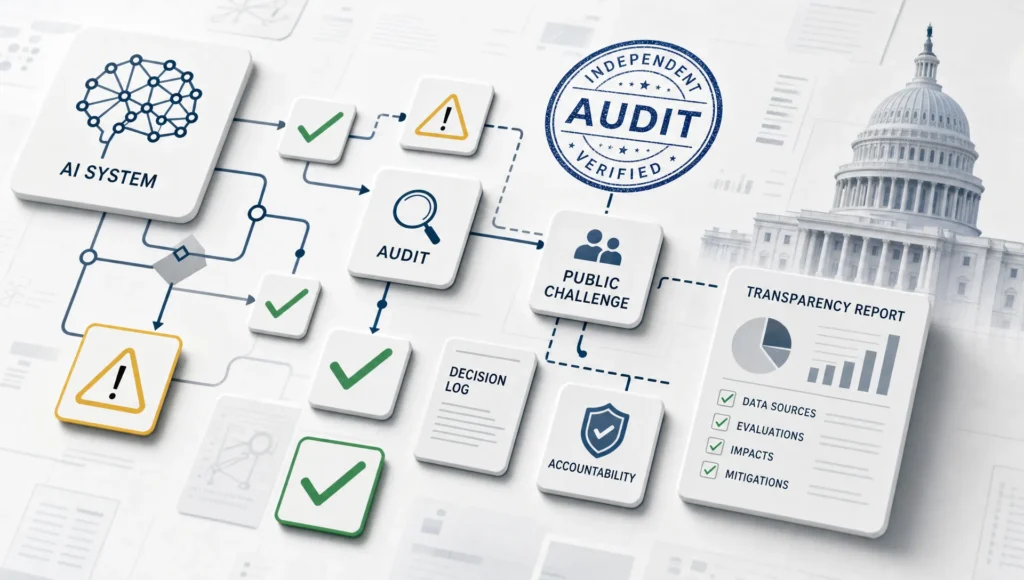
A serious civic platform is not just a comment box, poll, or social feed. It is a civic operating process. It defines who can participate, what kind of input is useful, how evidence is handled, how options are formed, how decisions are linked, and what public receipts must be published.
This is where deliberative democracy becomes essential. Deliberative democracy is not simply letting everyone speak. It is a structured process where people consider evidence, tradeoffs, and affected interests before producing decision-ready judgment. A platform can support that work, but only if it is designed around fairness, transparency, and follow-through.
JustSocial’s manifesto imagines tools such as TakeAction!, rParliament, rConcensus, civic analytics, and public law repositories. The important point is not that every community needs the same product. The point is that public participation needs infrastructure that can remember, organize, and transmit citizen judgment better than scattered social media posts.
The danger of choosing the wrong path
The wrong first step can waste years.
If you build a platform before people trust the mission, you may create a technically impressive empty room. People do not participate because a form exists. They participate when they believe the process matters, when the rules are fair, and when they can see a path from input to influence.
If you build a movement without any participation infrastructure, you may create momentum that cannot mature. Supporters rally, share, donate, and protest, but decisions remain trapped inside informal leadership circles. Eventually, people ask a fair question: are we building democracy, or are we just building another organization that asks people to trust its leaders?
The correct sequence depends on your bottleneck.
| If your bottleneck is… | Start with… | Your first serious deliverable |
|---|---|---|
| Public apathy | Political movement | A clear participation promise |
| Confused public debate | Movement with discursive rules | A shared issue map and evidence commons |
| Bad public meetings | Civic platform or manual workflow | A decision-linked input and response process |
| Complex tradeoffs | Deliberative democracy pilot | An options memo with reasons and dissent |
| Lack of institutional trust | Hybrid | Public receipts and an implementation tracker |
| Repeated local decisions | Civic platform | A reusable participation workflow |
A useful rule: do not build software for a process you cannot run manually at least once. Manual pilots reveal whether people understand the promise, whether officials respond, whether moderation works, and whether the output is actually decision-grade.
The hybrid path: movement first, platform in public
For democratic reform, the best answer is often not movement or platform. It is movement first, platform in public.
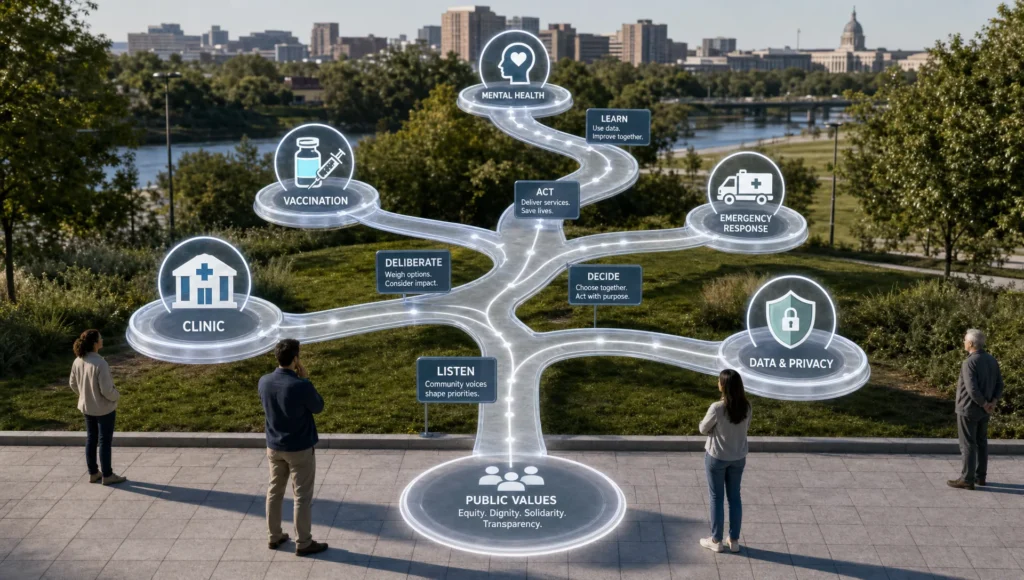
That means the movement begins by naming the problem and organizing people around a participation promise. Then it runs simple, visible civic processes before building heavier technology. The platform emerges from repeated practice rather than from abstract product speculation.
A practical hybrid sequence looks like this:
- Publish the participation promise: Say what supporters can influence, what records will be public, and what leaders are not allowed to decide behind closed doors.
- Run a discursive phase: Gather claims, stories, objections, and evidence in a structured format rather than an endless comment thread.
- Move into deliberation: Convene a smaller, more balanced group to compare options, name tradeoffs, and produce a clear recommendation.
- Create public receipts: Publish the issue pack, evidence list, synthesis, options memo, response request, and implementation tracker.
- Build the platform around repeated needs: Only automate what has proven valuable, such as intake, synthesis, identity, voting, transparency, or follow-up.
This path also reflects the JustSocial idea of a People’s Branch. The People’s Branch is not merely a website where citizens click buttons. It is a standing civic capacity: a way for the public to express identity, opinion, reasoning, and priorities in ways institutions can inspect and respond to.
Trust, security, and governance are not technical details
A civic platform carries civic risk. It may collect sensitive opinions, political identities, demographic data, voting preferences, or community testimony. That means trust cannot be added later.
Security includes digital protections, but it also includes governance. Who can access data? Who moderates disputes? What happens when a coordinated group tries to manipulate participation? How are conflicts of interest disclosed? Can participants appeal moderation decisions? Are public records designed to inform people without exposing vulnerable participants?
Security is also physical and operational. Movements and platforms may hold meetings, store equipment, maintain local offices, or protect sensitive materials. The mindset should be similar to any serious safety operation: layered protections, maintenance, accountability, and response planning. Even outside politics, a professional security provider like Locked Safe Holland illustrates the value of combining technology, service, and ongoing responsibility rather than treating safety as a one-time purchase.
For civic platforms, this translates into a simple principle: every trust claim needs an operational owner. If you promise anonymity, define how it works. If you promise transparency, publish the records. If you promise inclusion, measure who is missing. If you promise deliberation, show the rules and outputs.
Use this decision framework before you build
Before choosing movement-first or platform-first, answer five questions honestly.
What is the decision surface? If you cannot name the decision, institution, policy, budget, rule, or public process you want to influence, you are probably not ready for a platform-heavy approach. Start with movement-building and issue framing.
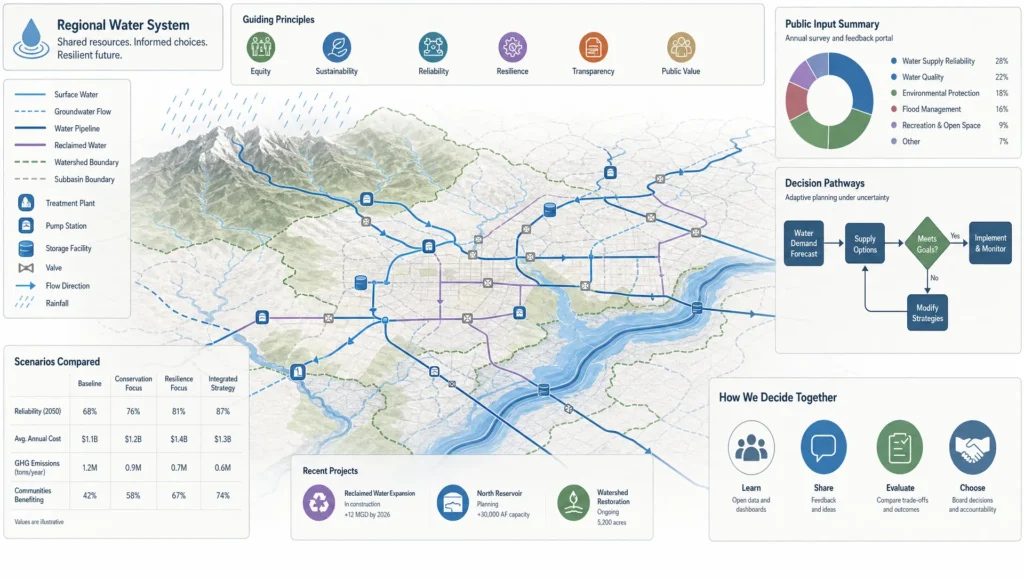
Who needs to trust whom? If citizens do not trust organizers, focus on transparency. If organizers do not trust institutions, focus on public receipts. If institutions do not trust public input, focus on deliberative quality and evidence.
Is the problem about voice or judgment? If people are excluded from public conversation, prioritize discursive democracy. If people are heard but decisions remain low-quality, prioritize deliberative democracy.
Will the process repeat? A one-time issue may need a campaign and a lightweight deliberation. A recurring pattern across neighborhoods, schools, councils, or agencies may justify a civic platform.
Can you handle the duty to respond? Participation without response destroys trust. If no one is prepared to publish what was heard, what changed, what was rejected, and why, the process is not ready.
What different builders should choose
| Builder type | Best starting path | Why |
|---|---|---|
| Grassroots organizers | Movement-first | You need shared language, trust, and local capacity before tools matter |
| Civic technologists | Manual platform pilot first | You need to prove the workflow before coding the system |
| Public officials | Platform with public promise | You already control decision surfaces, so legitimacy depends on rules and receipts |
| Donors and supporters | Hybrid | Funding should grow both public will and durable infrastructure |
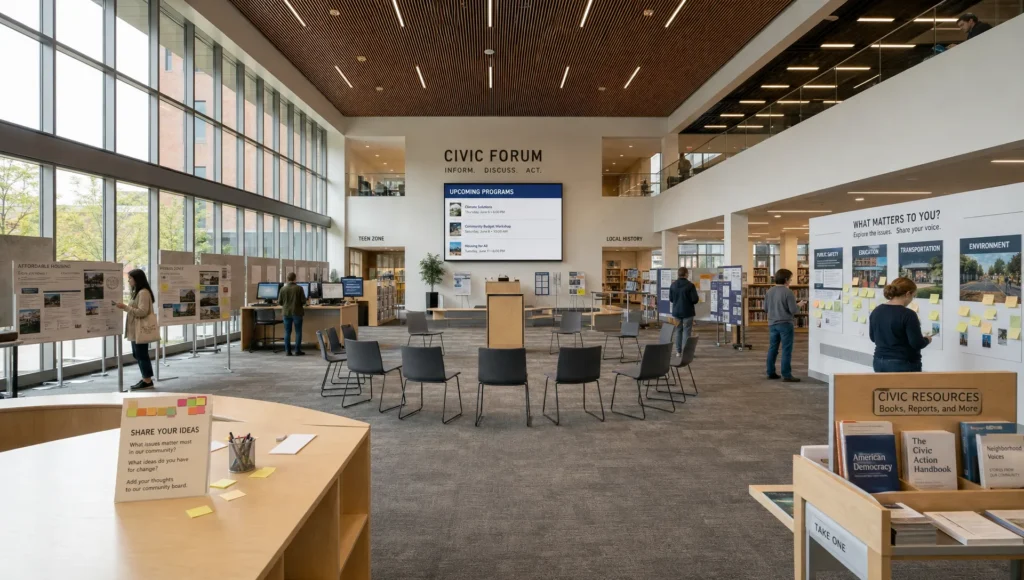
| Educators and civic trainers | Discursive and deliberative pilots | People need practice in reasoning together before participation scales |
This is why JustSocial should be understood as both a political movement and a civic infrastructure project. The movement makes the demand: citizens should be heard continuously and meaningfully. The platform work makes the demand operational: participation must be structured, transparent, secure, and connected to decisions.
The real choice: attention or accountability
Many organizations chase attention because attention is visible. Followers, shares, attendance, and media coverage feel like progress. Sometimes they are. But democracy does not improve simply because more people are reacting.
The deeper goal is accountability. Can people see what decision is being made? Can they understand the evidence? Can they add lived experience? Can they deliberate across difference? Can they track the response? Can they learn from the outcome and come back next time better prepared?
A political movement is the right path when attention must be organized into public will. A civic platform is the right path when public will must be organized into accountable participation. A serious democratic project learns to do both.
Frequently Asked Questions
Can a political movement own a civic platform? Yes, but it must separate advocacy from process governance. If the movement controls the platform, it should publish rules, moderation logs, funding disclosures, privacy commitments, and decision criteria so participants can inspect the process.
Is a civic platform politically neutral? Not completely. Every platform makes design choices about identity, visibility, moderation, evidence, voting, and inclusion. The goal is not false neutrality, but transparent, contestable, rights-respecting process design.
Should we build an app first? Usually no. Start with a manual civic process using documents, meetings, forms, and public trackers. Build software after you know which steps repeat and where technology improves trust or scale.
Where do discursive democracy and deliberative democracy fit? Discursive democracy helps communities frame problems and improve public debate. Deliberative democracy turns structured discussion into decision-ready options. A strong civic platform should support both, but not confuse them.
What path does JustSocial represent? JustSocial represents a hybrid path: a political movement for continuous civic participation and a civic technology effort to make participation more transparent, structured, and usable.
Help build the bridge between movement and platform
If you believe democracy should be more than a periodic vote, the next step is not to wait for perfect institutions. It is to help build better civic habits, better public processes, and better tools.
Read JustSocial’s manifesto, share it, challenge it, and help improve it. If you are a developer, designer, product thinker, organizer, educator, researcher, donor, or public servant, there is work to do. A movement can open the door, but civic infrastructure is what keeps that door open for everyone.