
How Civic Participation Can Modernize Government
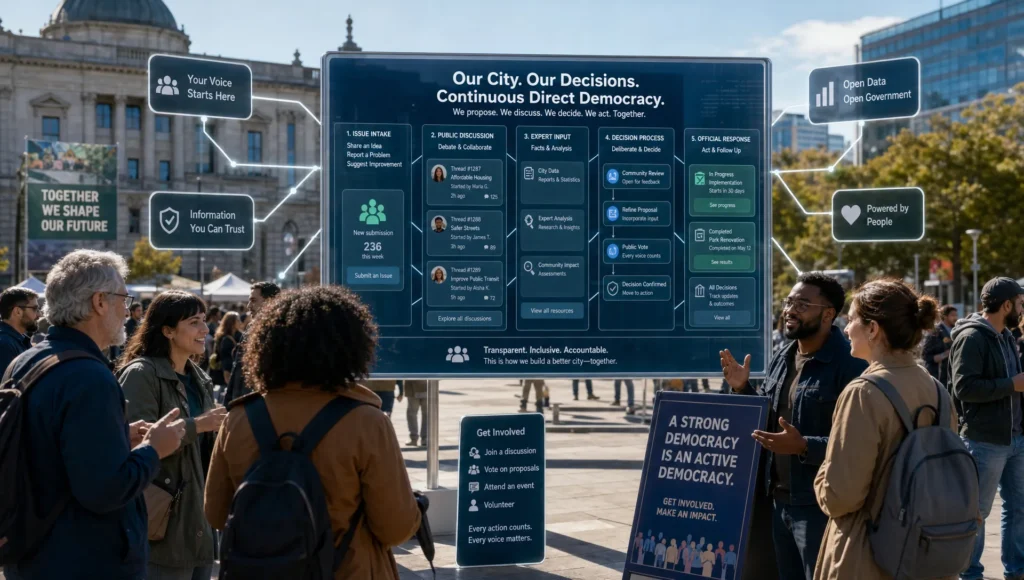
Most governments are not failing because citizens have no opinions. They are failing because public institutions still treat public voice as an occasional interruption. A vote every few years, a publi
Civic Participation for a More Open Parliament
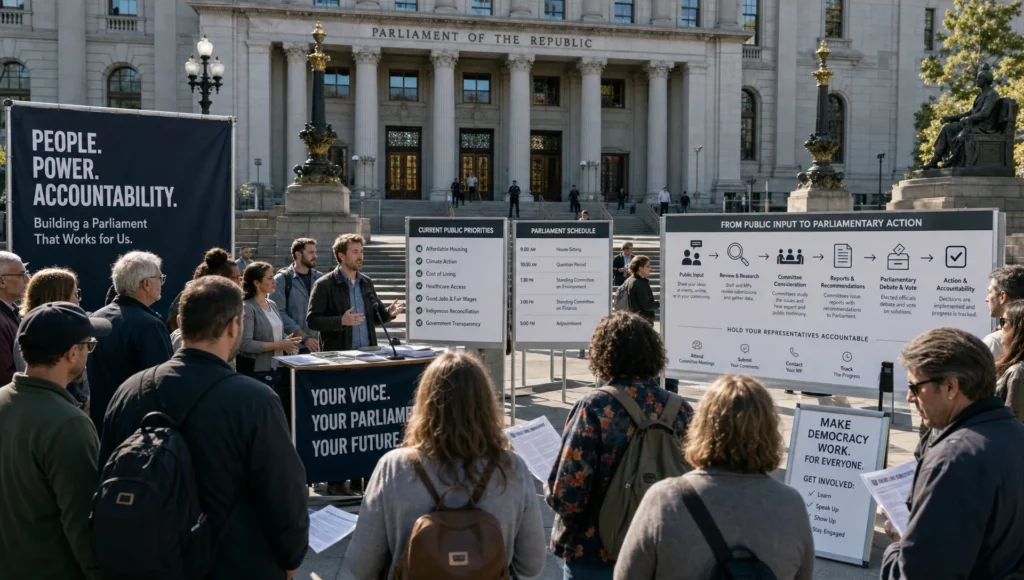
A parliament can be technically public and still feel closed to the people it claims to represent. Debates may be televised, bills may be uploaded, and voting records may exist somewhere online, yet m
Political Movement Building With Evidence and Trust

In 2026, the problem for many citizens is not that politics feels too distant. It is that politics feels distant while demanding obedience, taxes, attention, and emotional energy. People are asked to
Political Movement Tactics for Civic Tech Adoption
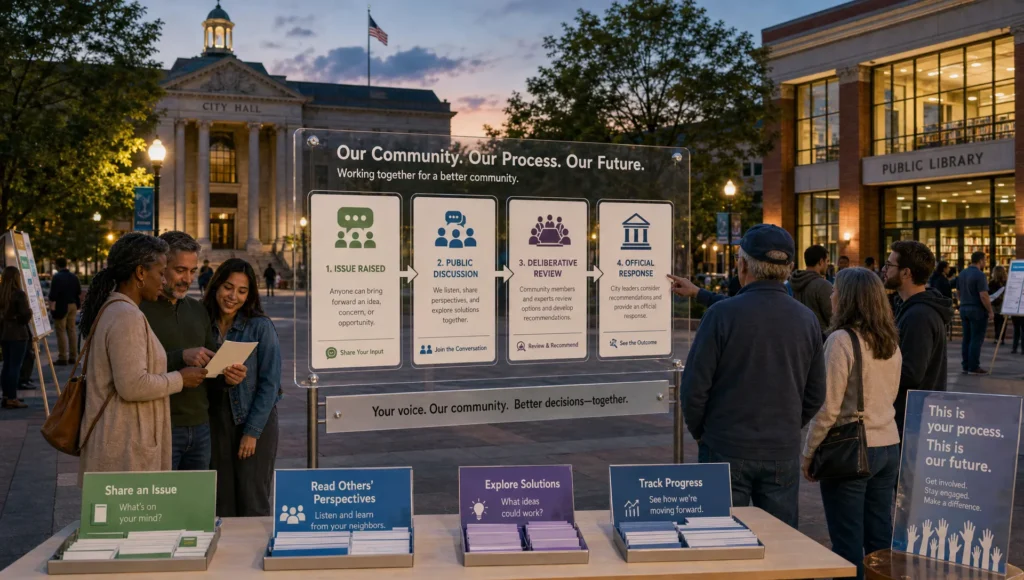
Civic tech adoption is rarely blocked by a lack of software. It is blocked by a lack of trust, legitimacy, clear public purpose, and daily habits of participation. A political movement that wants comm
Political Movement Strategy for Public Institution Reform
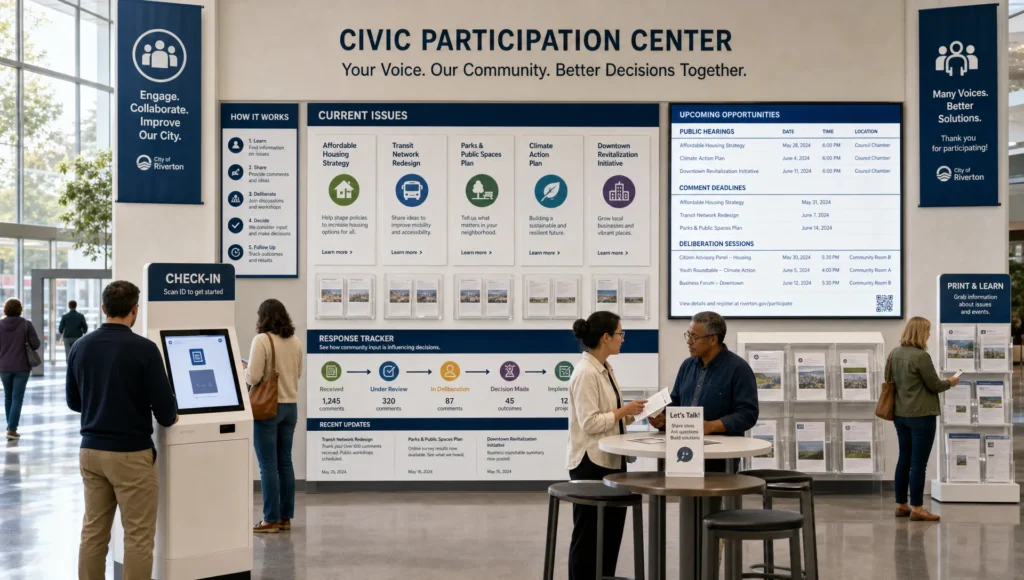
Public institution reform is not only a matter of winning an election or replacing one set of officials with another. Schools, parliaments, city councils, ministries, courts, regulators, and public ag
How a Political Movement Can Build Local Legitimacy

A political movement can become visible very quickly and still lack legitimacy where it matters most: in neighborhoods, schools, local councils, workplaces, and community groups. Local legitimacy is n
Political Movement Infrastructure for Public Learning

Most political movements know how to publish, protest, fundraise, recruit, and react. Far fewer know how to help the public learn together. That gap matters. A movement can win attention without build
Why Discursive Democracy Needs Shared Civic Context
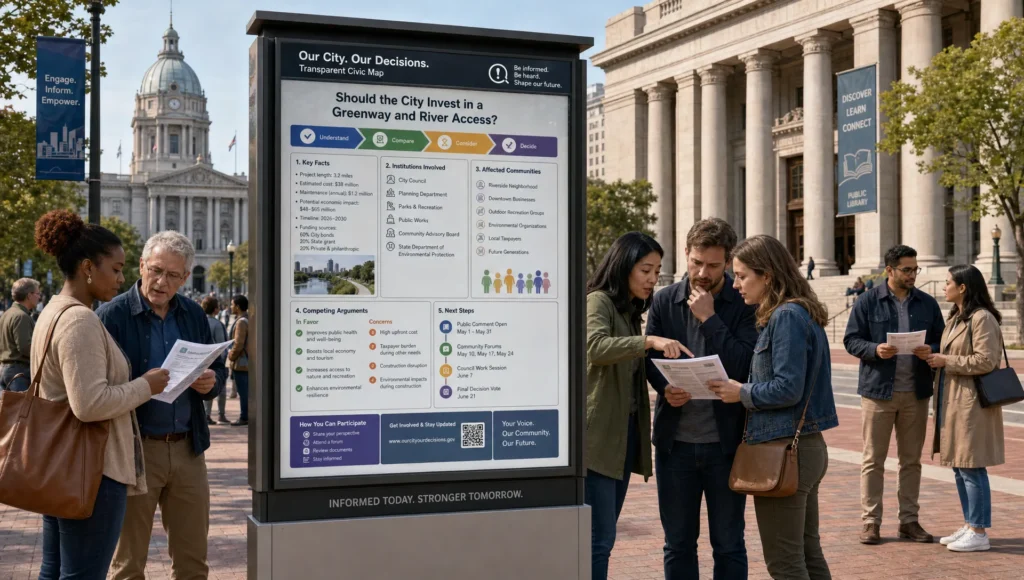
Democracy can survive disagreement. It cannot survive citizens who no longer inhabit a recognizable public world. That is why discursive democracy needs more than open comment sections, online polls,
Discursive Democracy for Public Committee Records
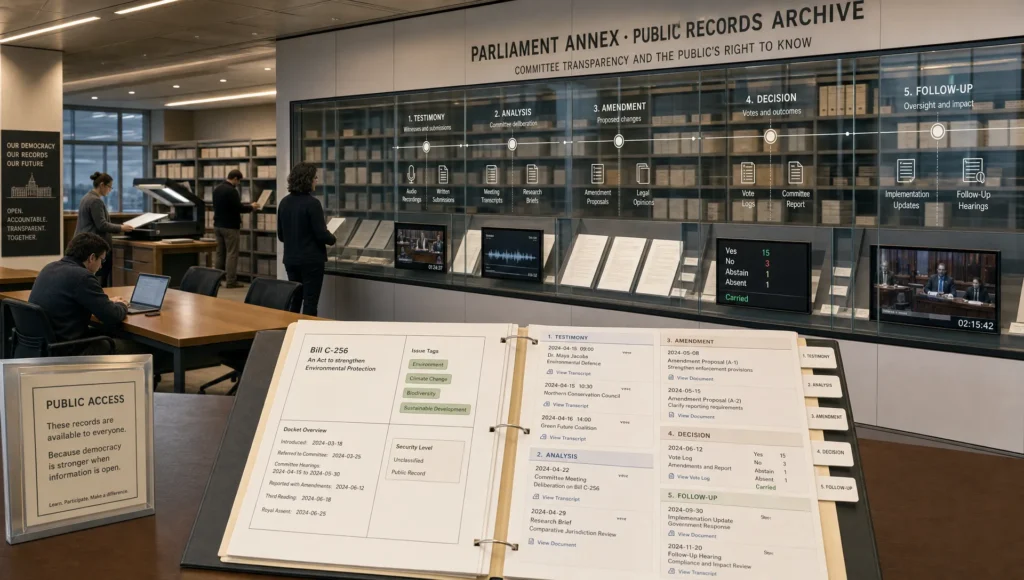
Public committee records are often treated as administrative leftovers: minutes, attachments, attendance lists, vote tallies, and recordings stored somewhere for legal compliance. But in a society ser
Discursive Democracy and the Future of Public News
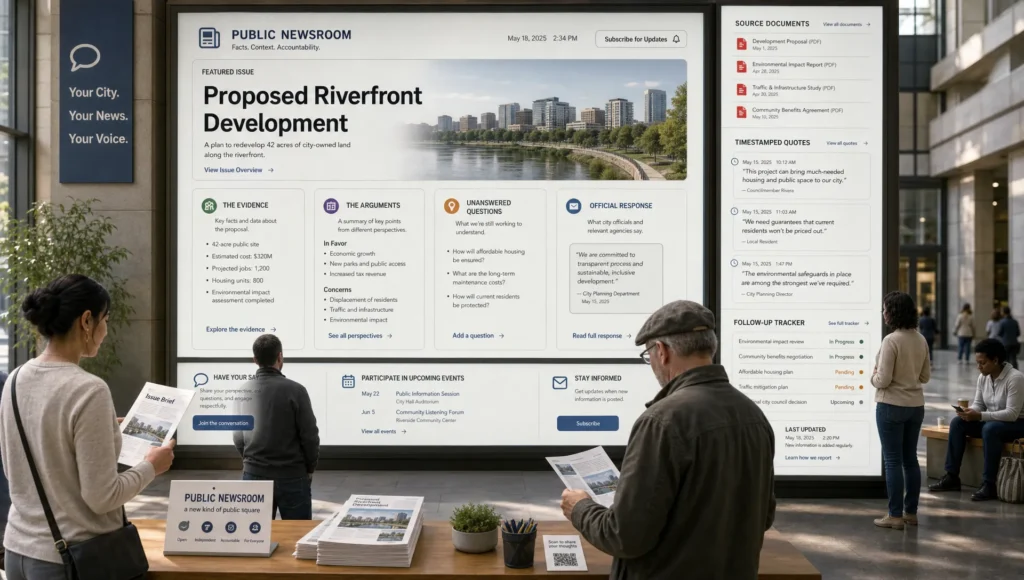
The future of public news will not be decided only by better paywalls, faster AI summaries, or more polished newsletters. Those may help journalism survive as a business, but democracy needs something