Discursive Democracy and the Need for Better Moderation
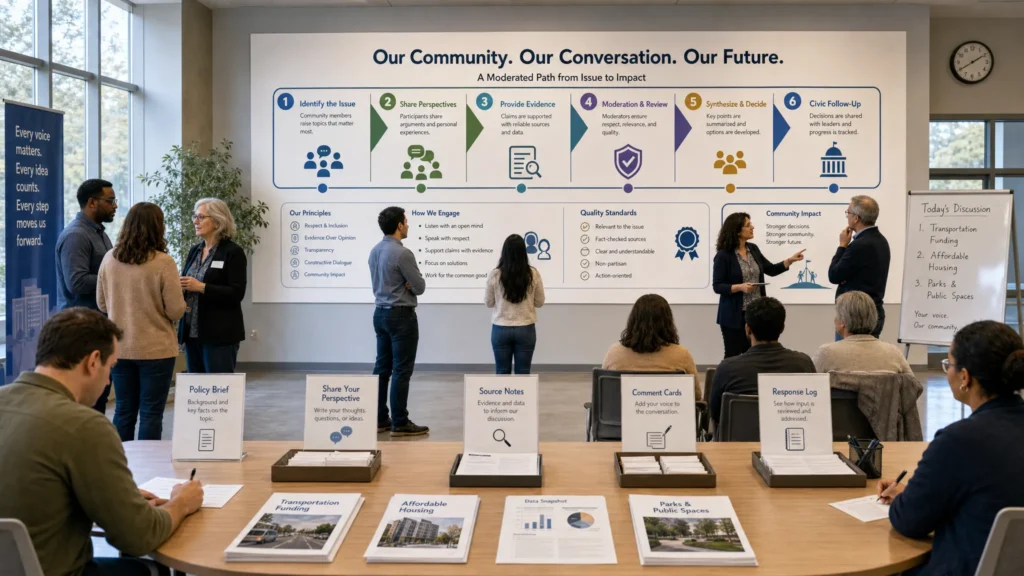
Democracy does not fail only when people stop voting. It also fails when public conversation becomes so hostile, shallow, or manipulated that citizens can no longer hear one another, learn from one an
Discursive Democracy for Stronger Civic Memory
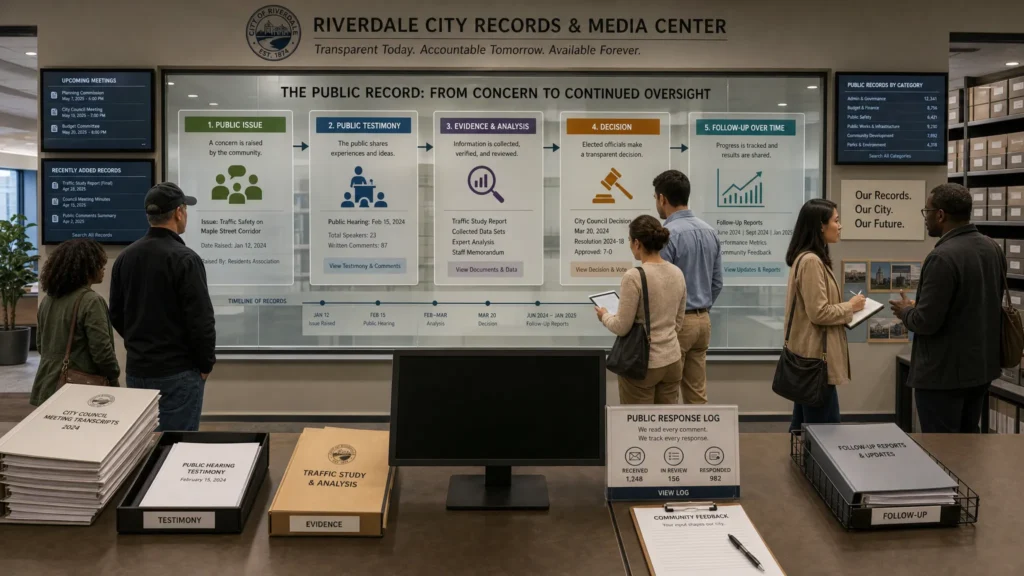
Democracy does not only weaken when citizens stop voting. It also weakens when public institutions forget. A community raises the same safety concern for ten years. A minister promises reform during a
How Discursive Democracy Can Improve Public Hearings
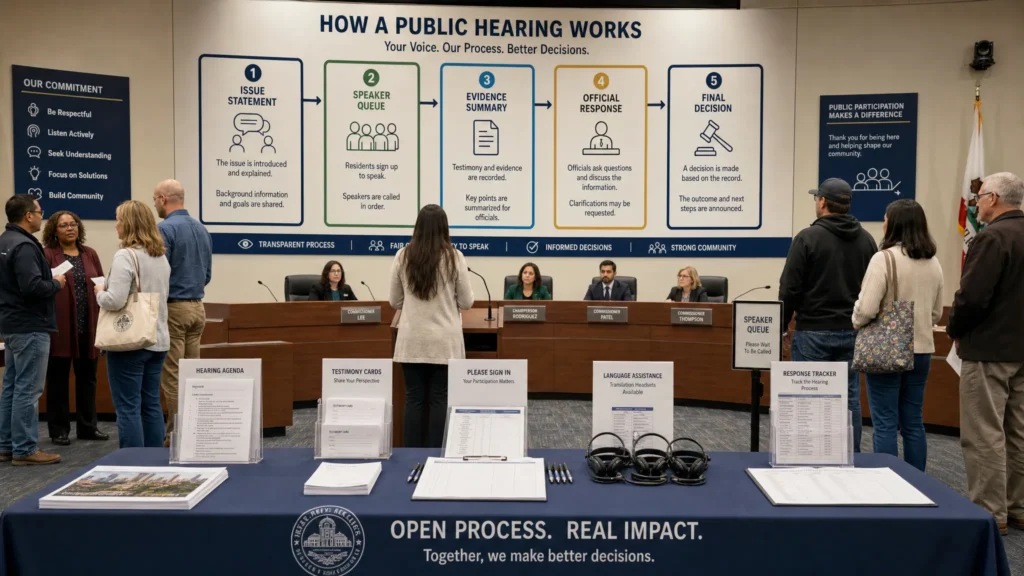
Public hearings are supposed to be one of the most direct meeting points between government and the people. A council proposes a zoning change, an agency presents a transit plan, a school board debate
Discursive Democracy and Smarter Political Debate
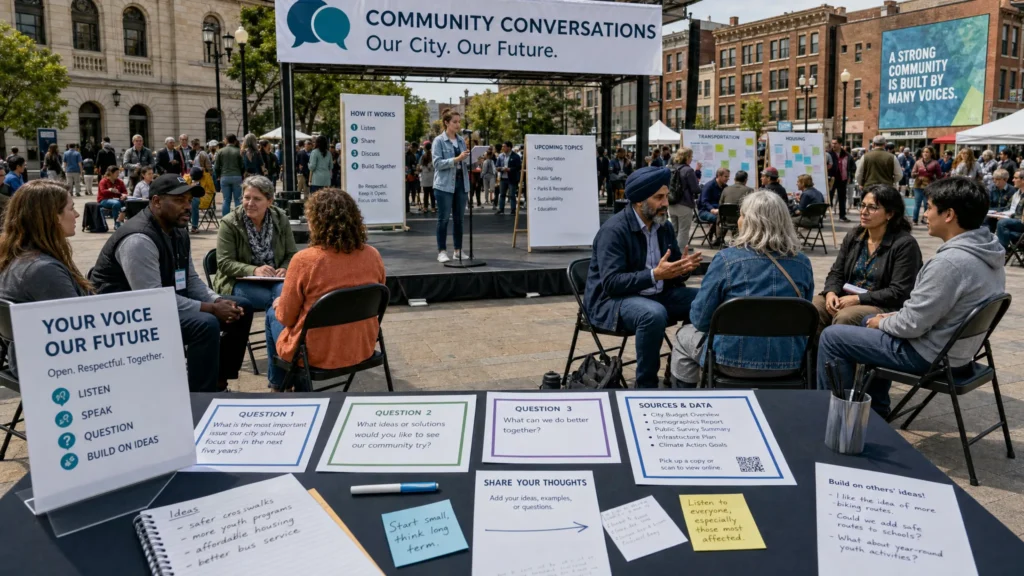
Political debate is supposed to help a society think. Too often, it does the opposite. It rewards the fastest insult, the cleanest slogan, the most viral outrage, and the person most willing to treat
When Deliberative Democracy Works Best
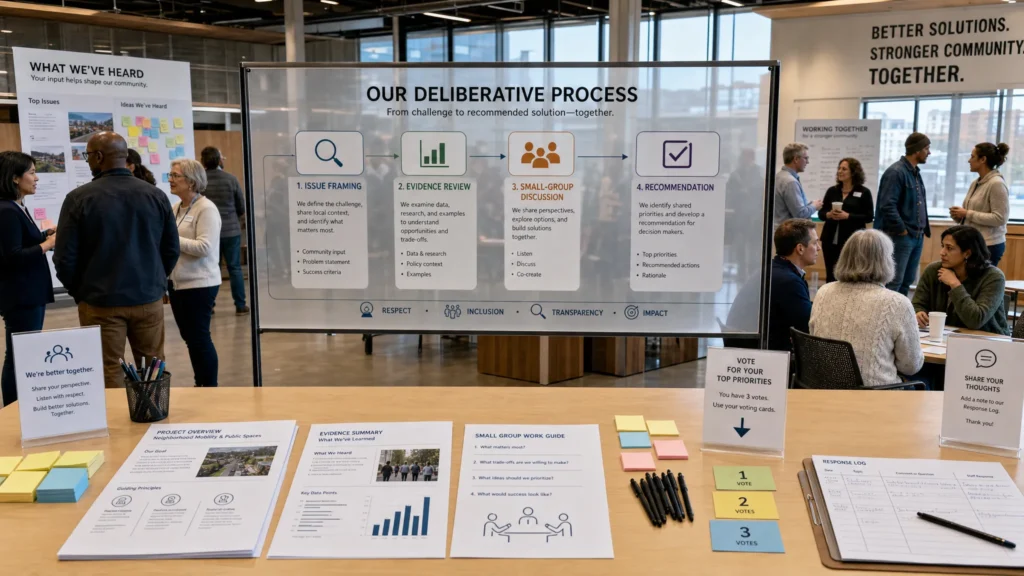
Deliberative democracy is most valuable when society needs more than a yesorno reaction. It works best when citizens are asked to understand a problem, weigh tradeoffs, hear from people outside their
Deliberative Democracy and the Case for Public Evidence
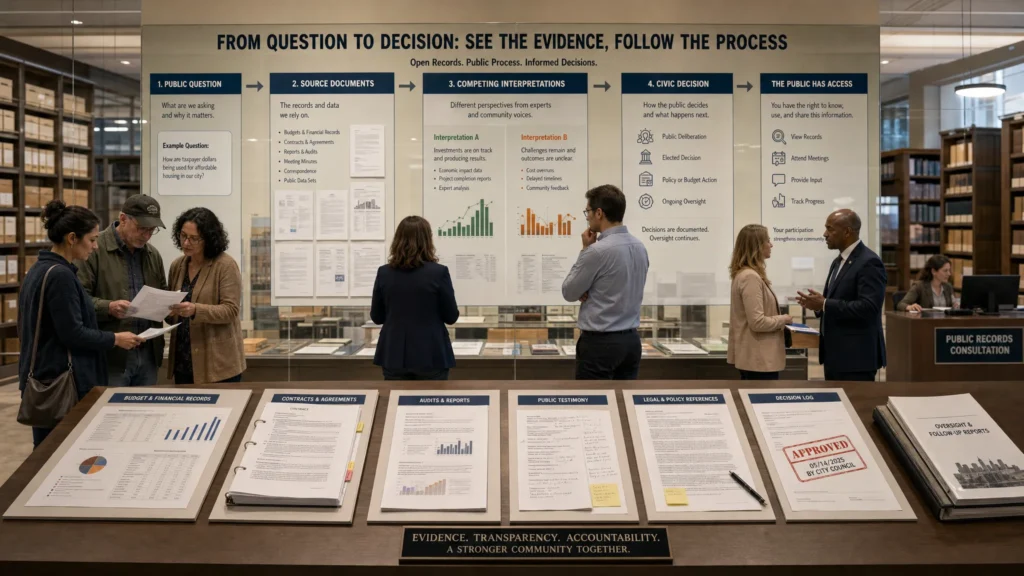
A public meeting can be full of sincere people and still fail democracy. One person brings a story, another brings a statistic, a third brings suspicion that the statistic was selected to win the room
Deliberative Democracy for Better Education Policy
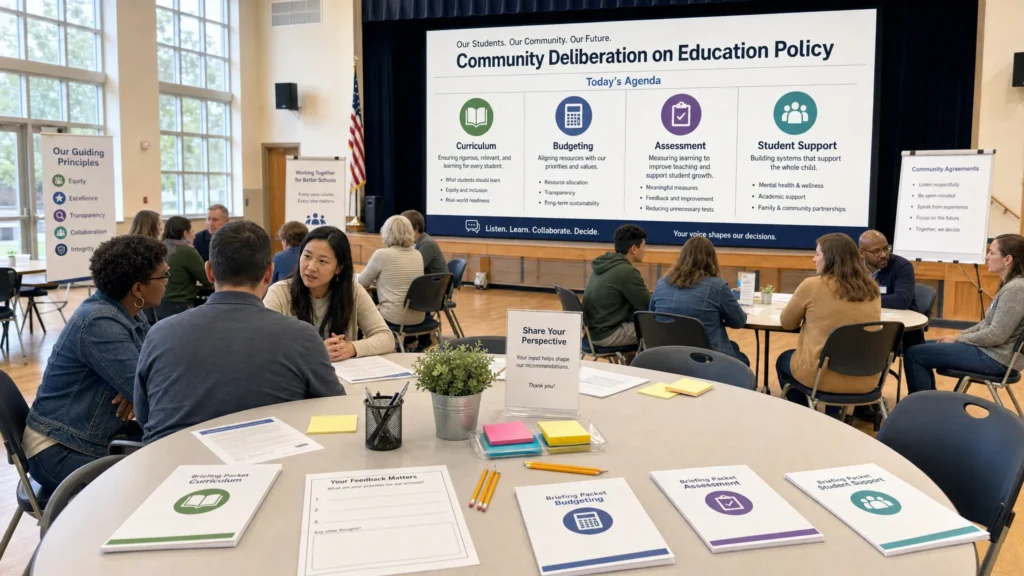
Education policy is one of the places where democracy becomes personal. A curriculum decision shapes what children learn about history, science, citizenship, and themselves. A budget decision determin
How Deliberative Democracy Can Improve Committee Work
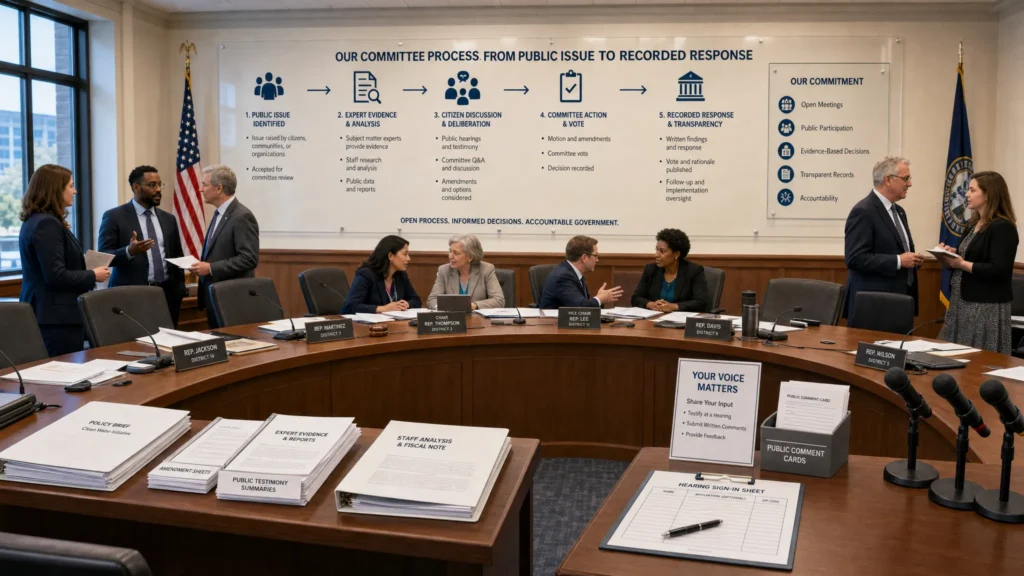
Committees are where democracy becomes concrete. Budgets are amended there. School policies are refined there. Housing, transportation, health, taxation, public safety, and oversight often move throug
Civic Participation and the Future of Public Trust
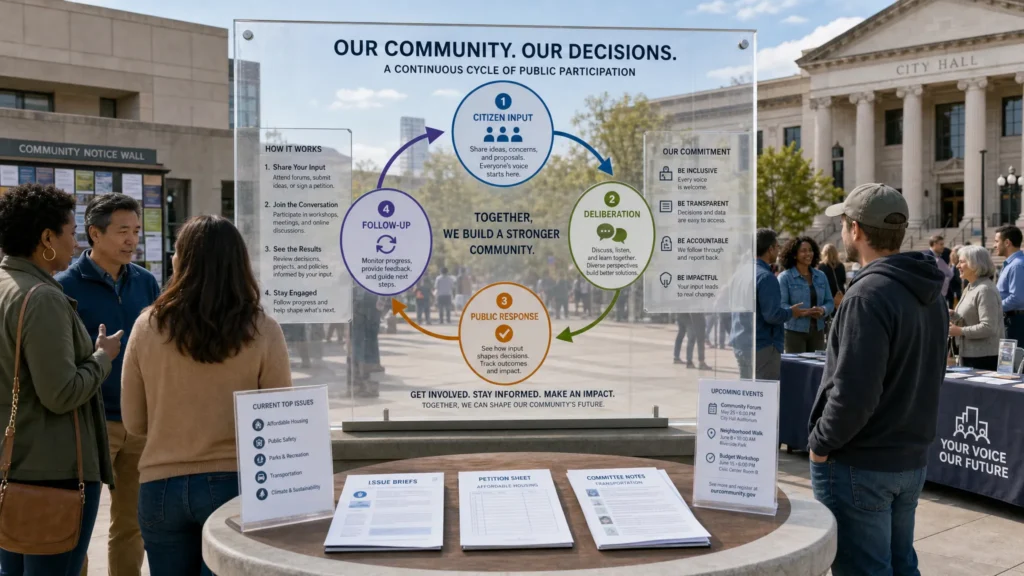
Public trust is often treated as a public relations problem. If only leaders communicated better, if only institutions sounded more confident, if only citizens were less cynical, trust would return. B
Civic Participation for Citizens Who Want Real Influence
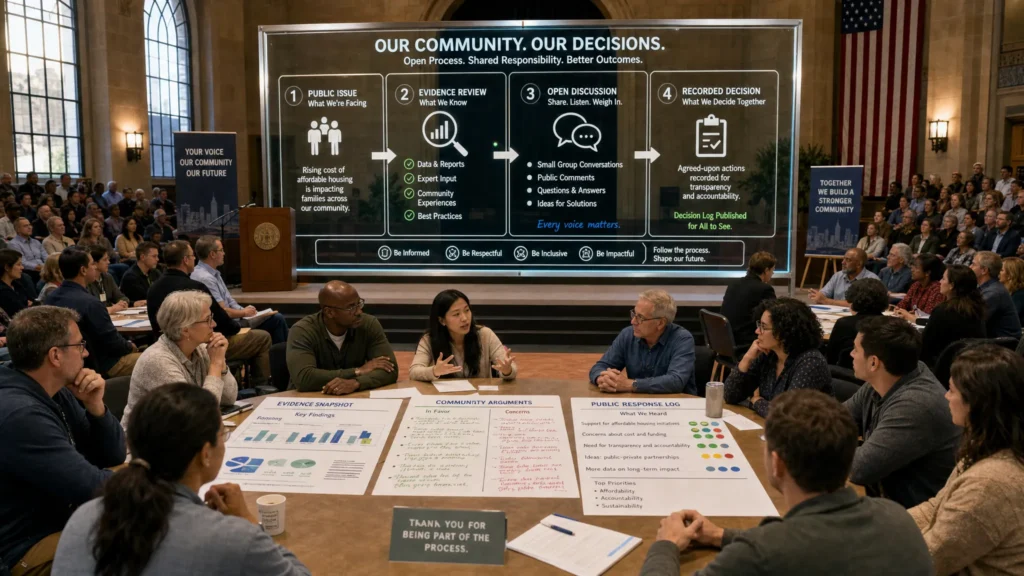
Many citizens who care about public life are tired of being told that influence begins and ends at the ballot box. Voting matters. It is one of the core acts of democratic life. But if the only recogn