Blog
Most people want a healthier democracy, but not another part-time job. The gap is not caring, it’s bandwidth. If civic participation requires hours of meetings, deep policy reading, and constant outrage, only the already-resourced can stay in the game.
Confusion between civic participation and civic engagement is not just a vocabulary problem. It changes what citizens ask for, what institutions “measure,” and what political movements build.
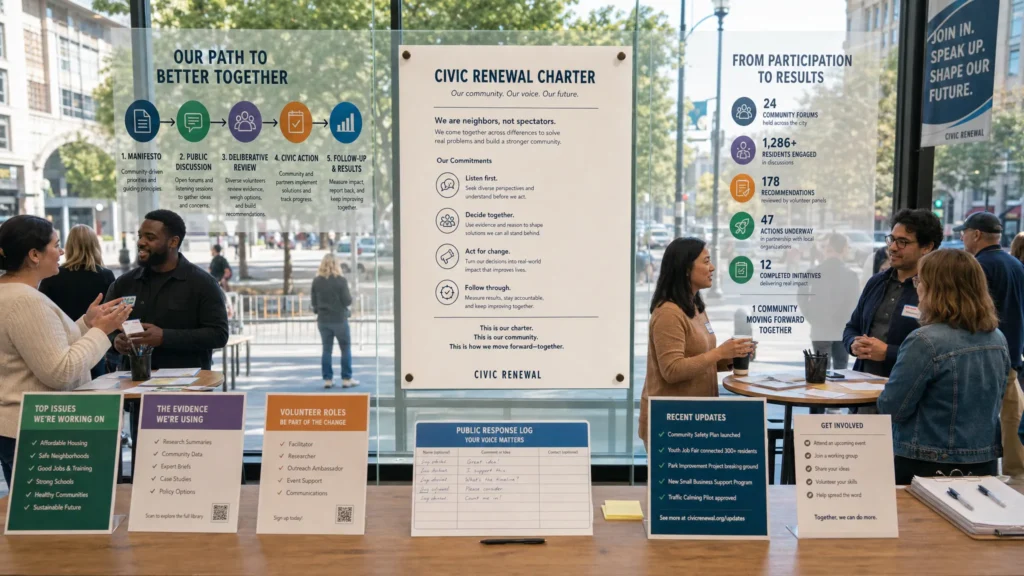
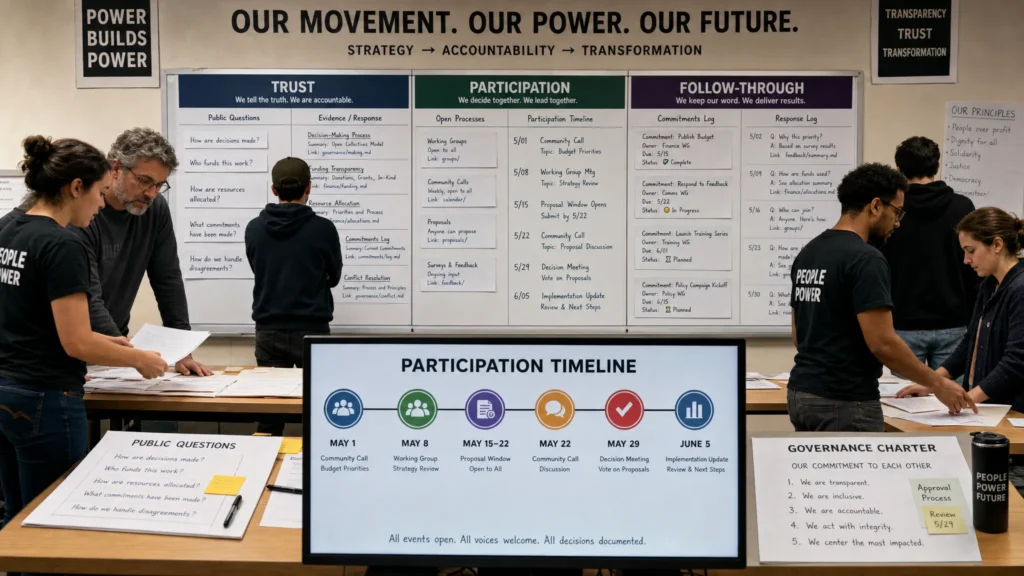
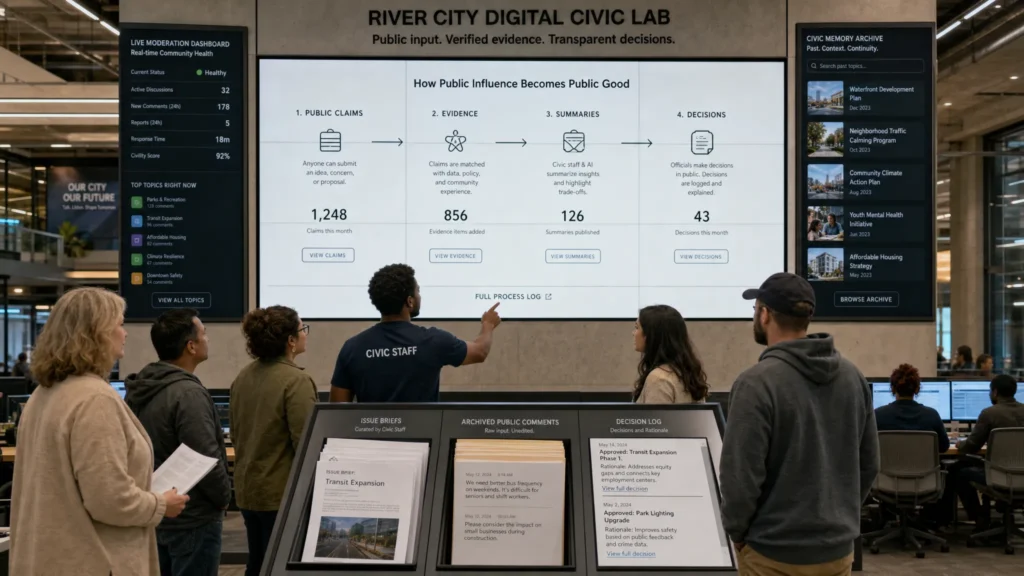
Trust is the scarce resource of every political movement. You can have a brilliant message and a talented team, but if supporters cannot verify how decisions are made, money is handled, and promises become outcomes, skepticism fills the gap. In 2026, that skepticism is rational: people have watched institutions and movements alike mistake visibility for accountability.
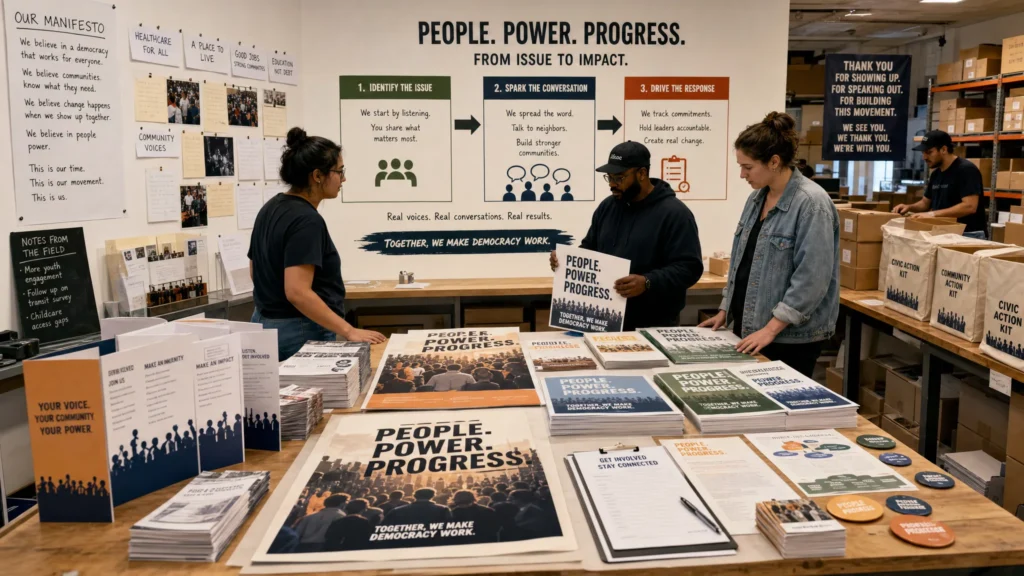
Starting a political movement used to mean finding a party sponsor, getting invited into closed rooms, and learning the “machine” rules: who gets access, who gets funding, and who gets to define what’s realistic.
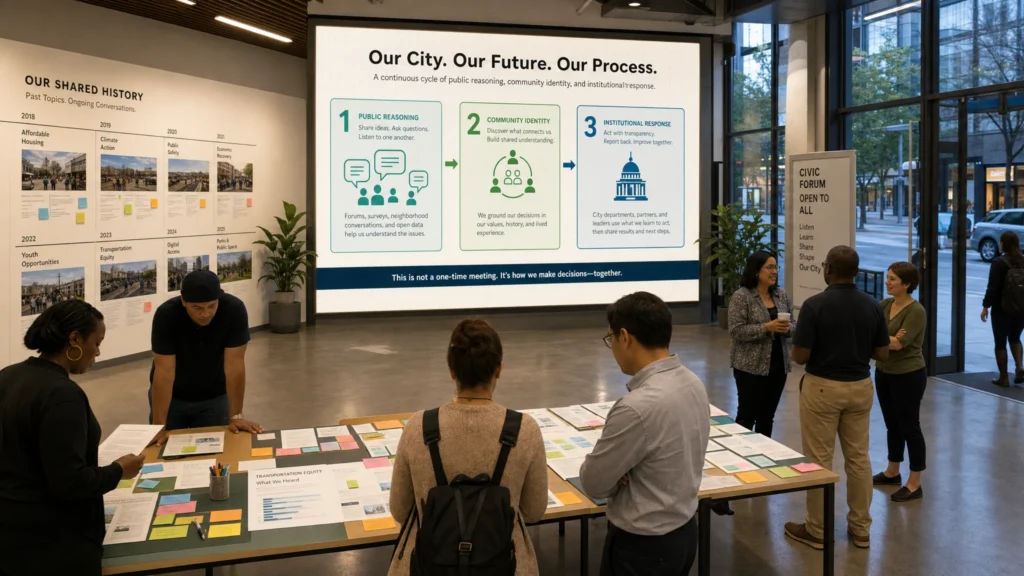
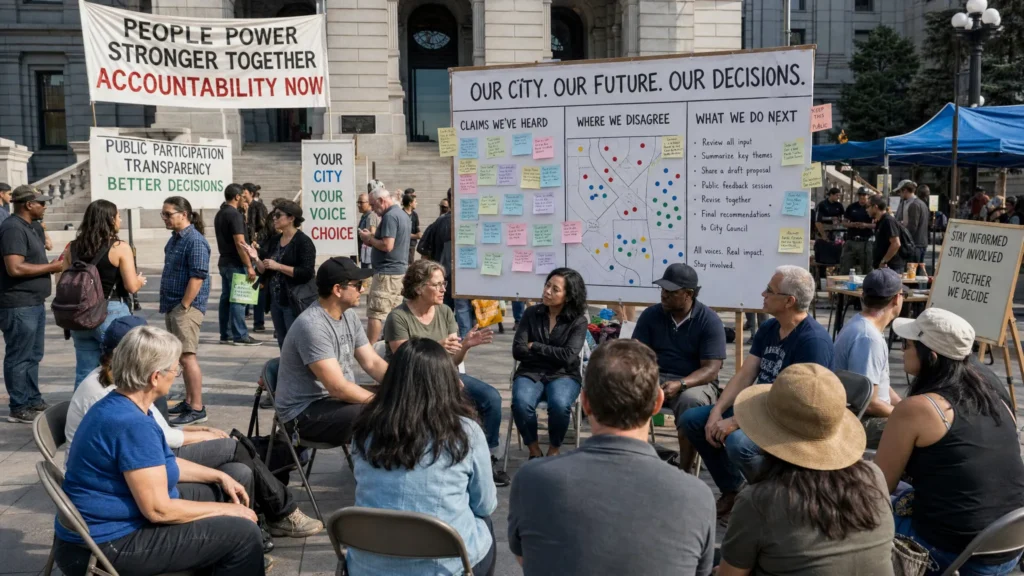
Public debate is democracy’s bloodstream, but in 2026 it often looks more like a stress test: outrage cycles, dunking, coordinated manipulation, and conversations that never cash out into real civic participation. “Discursive democracy” is the name many theorists give to the wide, messy public sphere where people argue about meaning, values, priorities, and what counts as a problem in the first place. It matters because before a community can decide well, it has to talk well.
Most people use deliberative democracy and discursive democracy as if they mean the same thing, “people talking about politics.” They overlap, but they solve different problems.
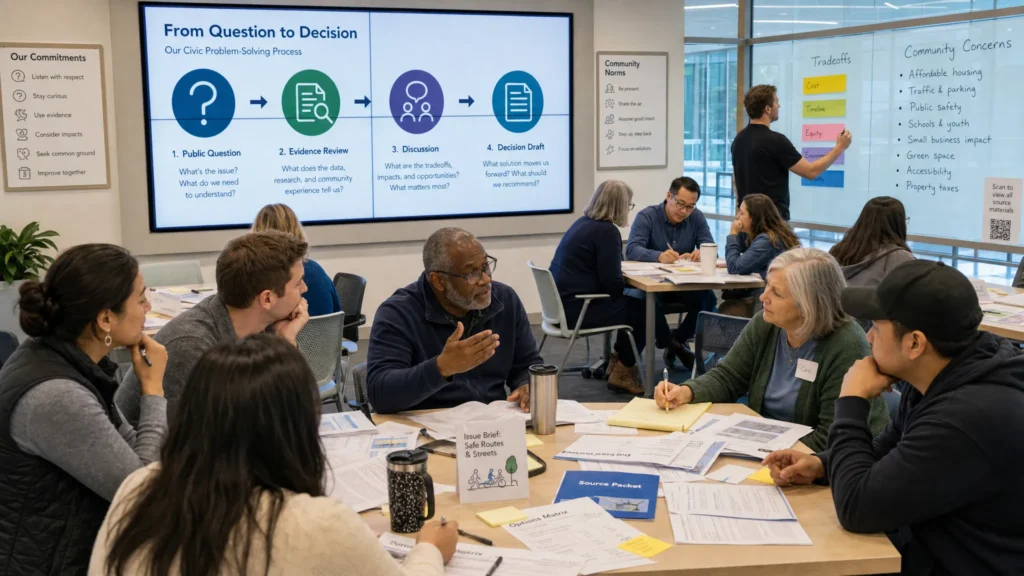
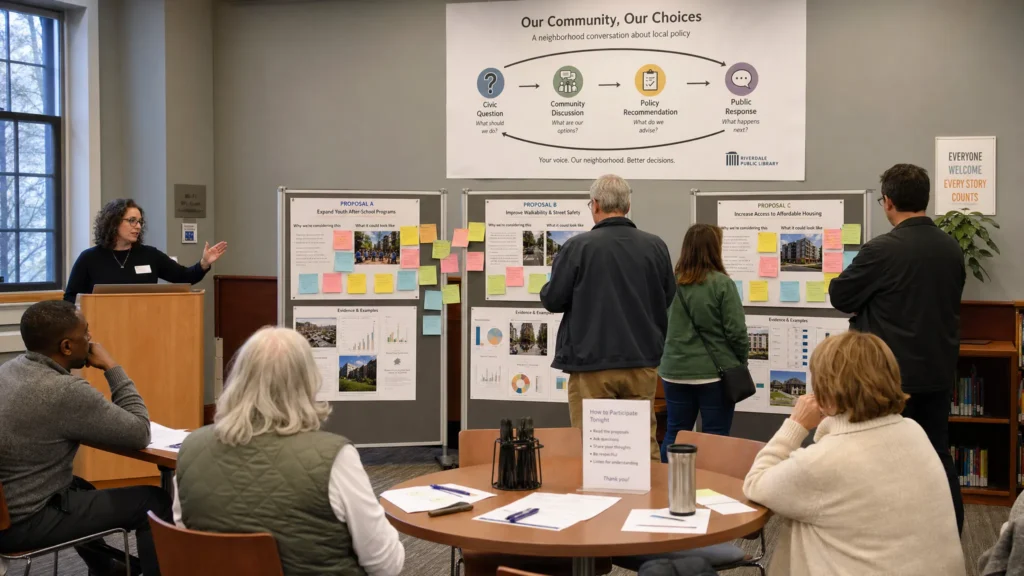
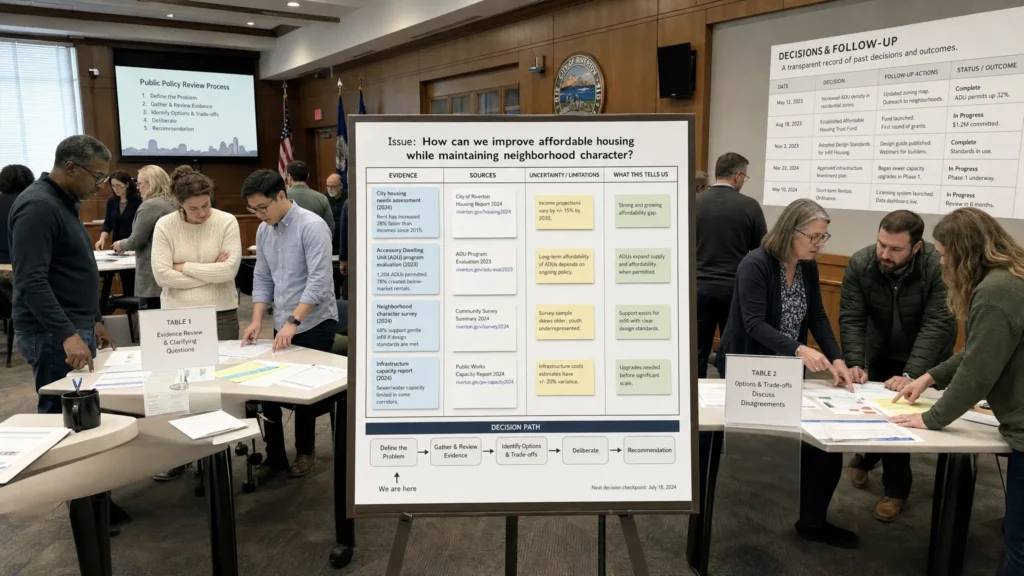
If you want civic participation to matter online, you need more than a comment box and a vote. You need a process that helps people learn, reason together, disagree productively, and still produce an output a decision-maker can actually use. That is the promise of deliberative democracy online, and it is also where many pilots fail.
Most people argue about “more democracy” as if it is one switch you either flip on or off. In practice, democratic systems are built from different mechanisms, and each mechanism shapes incentives, information quality, and legitimacy in a different way.
Most people support the idea of civic participation, but many of us live in a calendar that leaves little room for “being politically active.” The result is often guilt, doomscrolling, or bursts of outrage that never touch an actual decision.
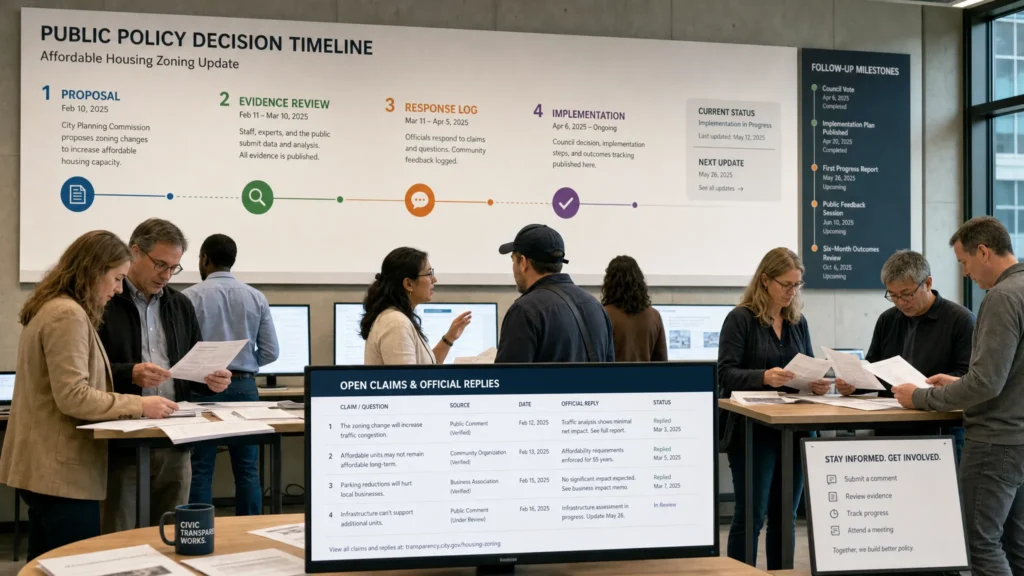
Most people who try civic participation eventually hit the same wall: you show up, you comment, you sign, you volunteer, and then the decision happens somewhere else.
Most people want better politics, but they are stuck between two bad options: doomscrolling (high emotion, low impact) or activism that burns out (high effort, unclear results). The good news is that political engagement can be practical, measurable, and doable today when it is connected to real decisions and built as a habit.
If “democracy” feels like something you do once every few years, it’s easy to treat civic life as background noise. But civic involvement is the opposite idea: it treats public decision-making as something citizens can shape routinely, not occasionally.
If you are looking for a clear definition of deliberative democracy, here is the simplest way to think about it: it is a model of democracy where legitimacy comes not only from counting votes, but from citizens (or their representatives) reasoning together in a fair process before a decision is made.
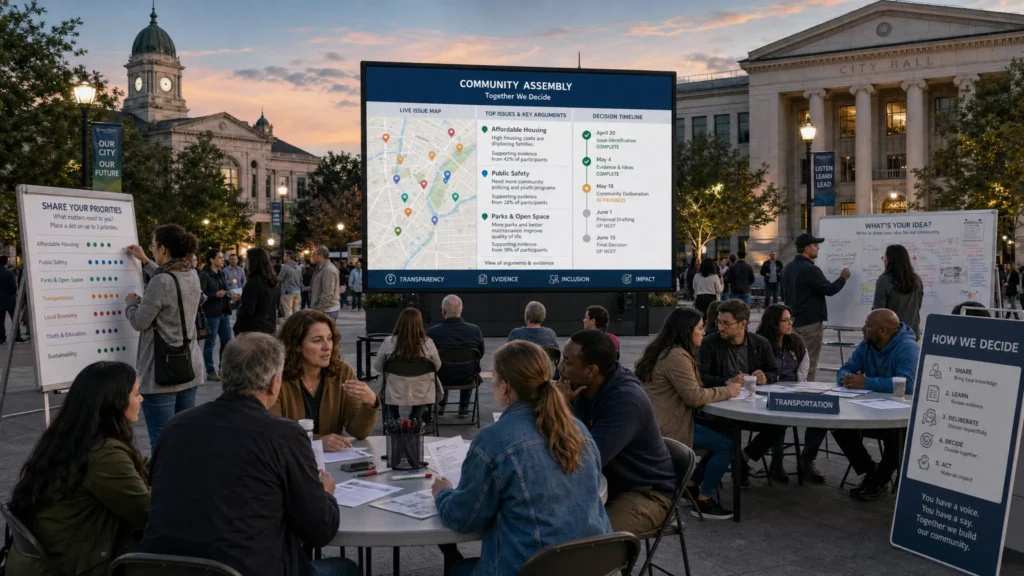
Most people are taught that civic participation means one thing: voting on election day. But if democracy is meant to reflect the public will between elections, then participation has to be broader, more continuous, and more practical.
Democracy tech has a deceptively simple promise: give more people a voice, more often. But if the tools are hard to use, require the latest devices, assume high literacy, ignore disability needs, or only work in one language, the result is not “more democracy.” It is a new participation gap.