Blog
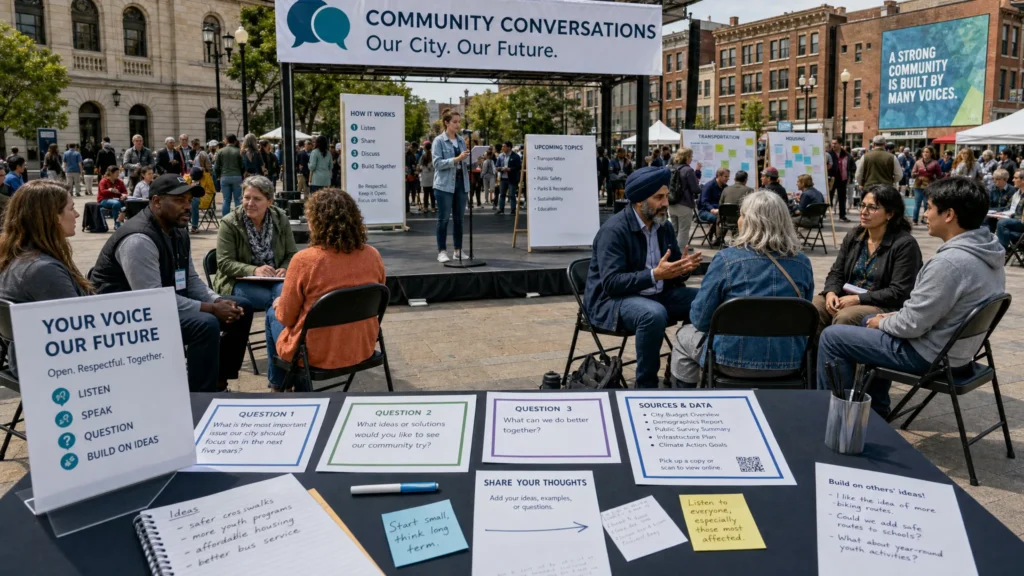
Discursive democracy begins with a simple frustration: news tells us what happened, comment sections tell us who is angry, and elections tell us what people thought at one distant moment in time. What
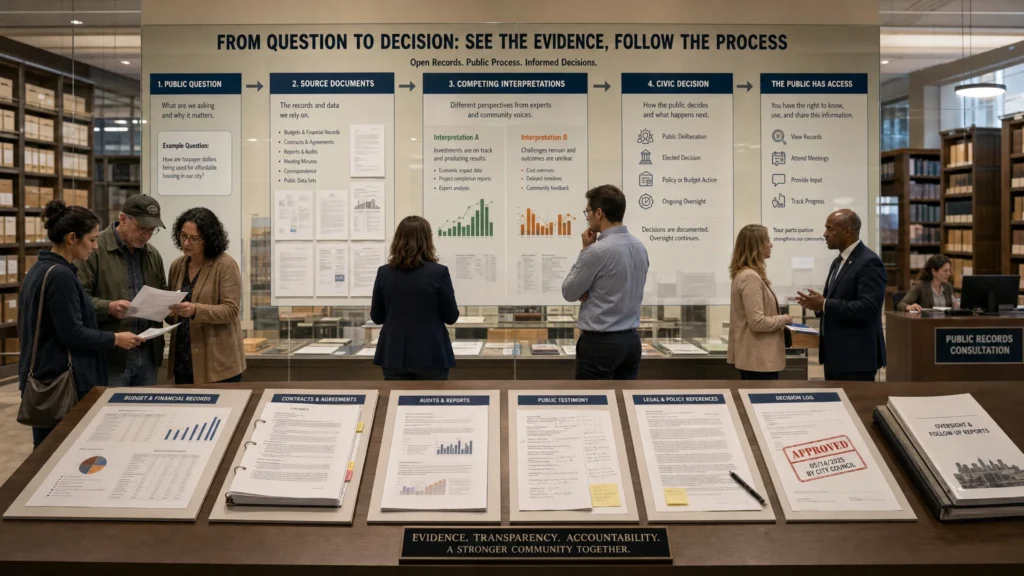
Public accountability is often treated as a rearview mirror. A scandal breaks, a report is published, officials apologize, voters remember or forget at the next election, and the system moves on. That
Civic participation is often treated as an occasional act. You vote, sign a petition, attend a town hall, post an opinion, or join a protest. Each act can matter, but none of them alone creates a dura
Election victories matter. They can stop dangerous policies, open institutional doors, and give reformers the legal authority to act. But if a political movement defines success only as winning seats,
Every political movement needs leadership. The danger begins when leadership stops being a public function and becomes private mythology. Political movement leadership without cults of personality is
Longterm reform is not won by a single viral campaign, a single election cycle, or a single protest. Those moments can open a door, but they rarely build the room where new democratic habits, rules, a
A political movement becomes durable when it stops asking only, “How do we win attention?” and starts asking, “What public capacity are we building?” Campaigns can gather crowds, slogans can travel fa
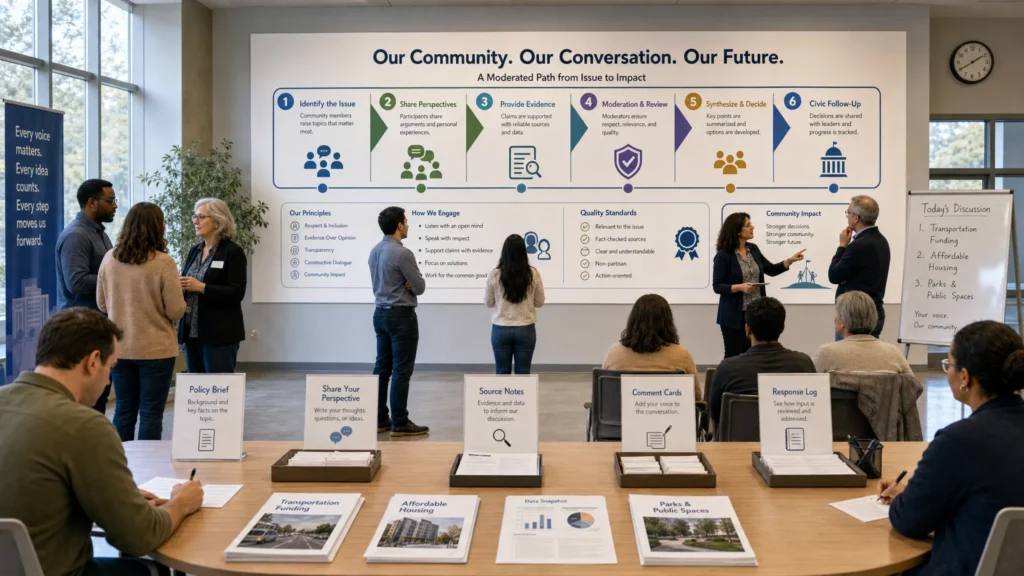
Democracy does not fail only when people stop voting. It also fails when public conversation becomes so hostile, shallow, or manipulated that citizens can no longer hear one another, learn from one an
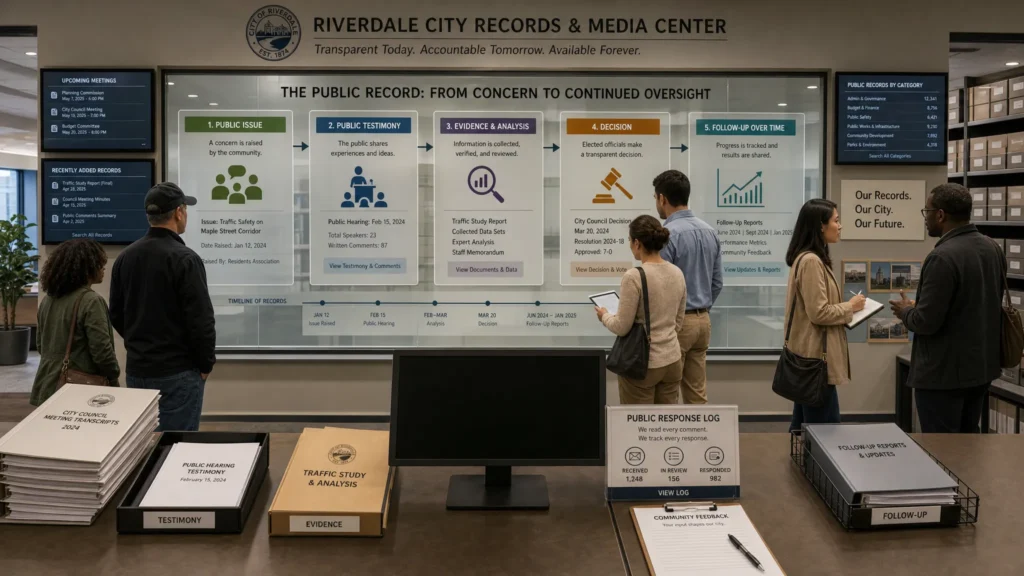
Democracy does not only weaken when citizens stop voting. It also weakens when public institutions forget. A community raises the same safety concern for ten years. A minister promises reform during a
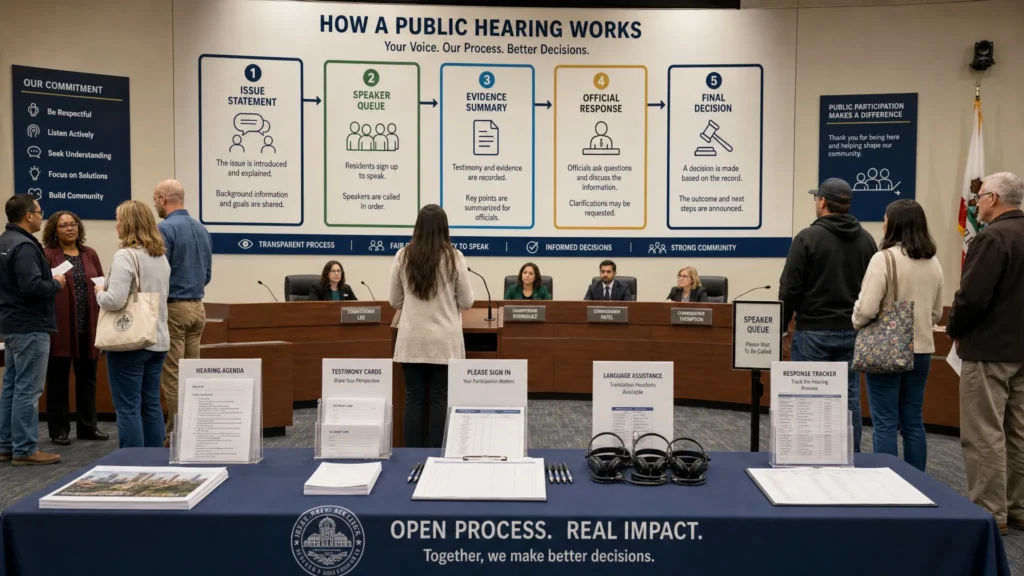
Public hearings are supposed to be one of the most direct meeting points between government and the people. A council proposes a zoning change, an agency presents a transit plan, a school board debate
Political debate is supposed to help a society think. Too often, it does the opposite. It rewards the fastest insult, the cleanest slogan, the most viral outrage, and the person most willing to treat
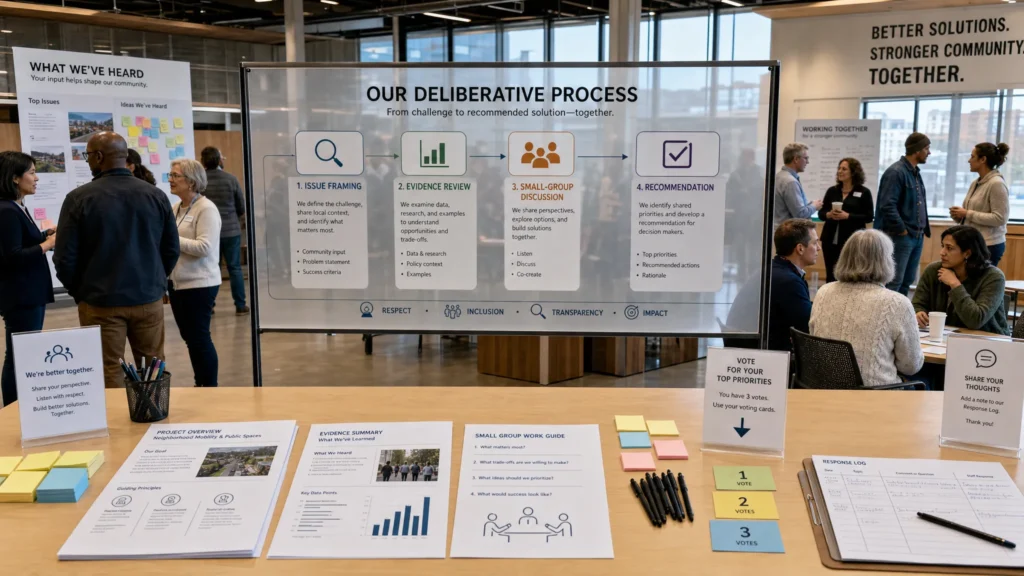
Deliberative democracy is most valuable when society needs more than a yesorno reaction. It works best when citizens are asked to understand a problem, weigh tradeoffs, hear from people outside their
A public meeting can be full of sincere people and still fail democracy. One person brings a story, another brings a statistic, a third brings suspicion that the statistic was selected to win the room
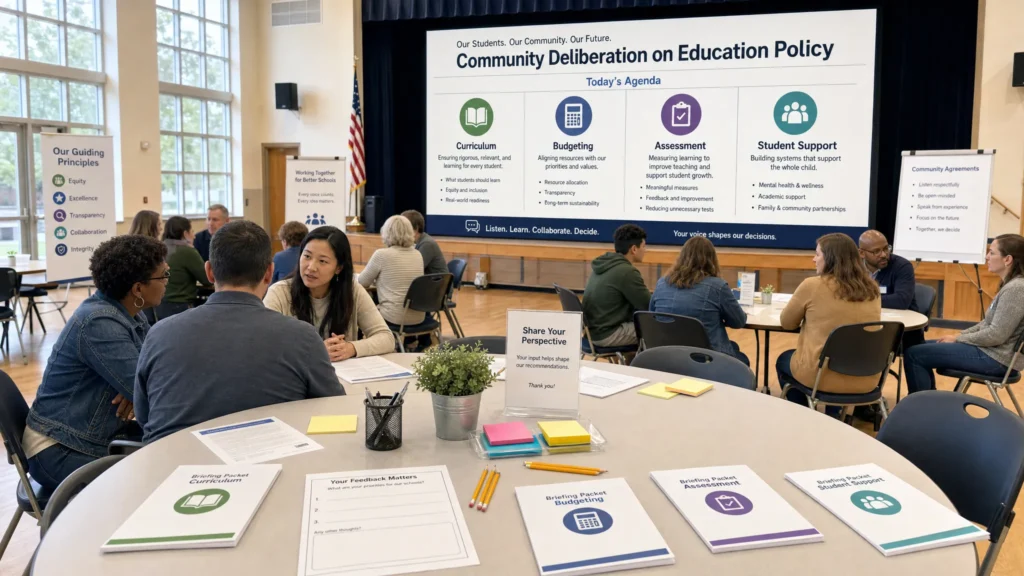
Education policy is one of the places where democracy becomes personal. A curriculum decision shapes what children learn about history, science, citizenship, and themselves. A budget decision determin
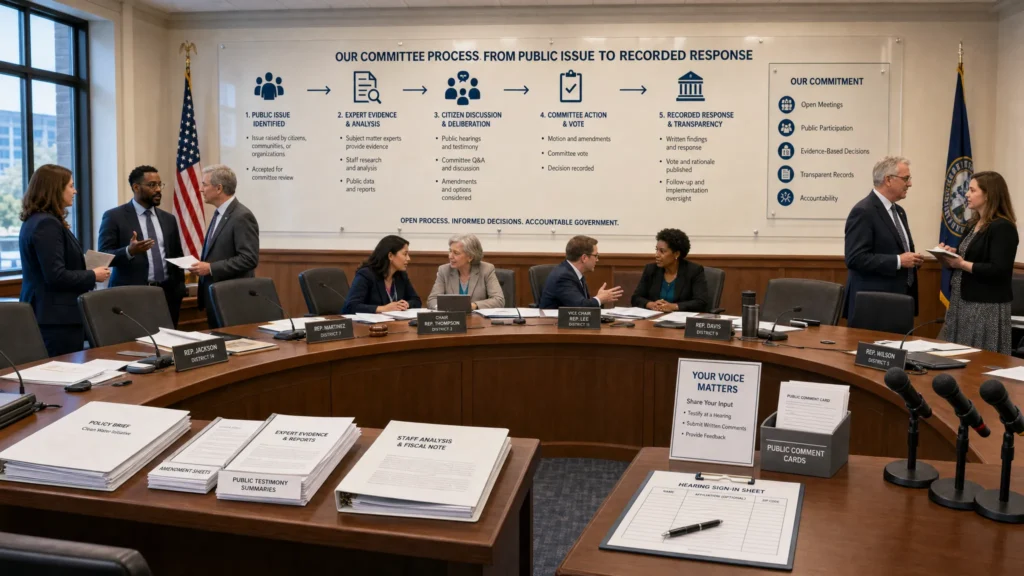
Committees are where democracy becomes concrete. Budgets are amended there. School policies are refined there. Housing, transportation, health, taxation, public safety, and oversight often move throug