Blog
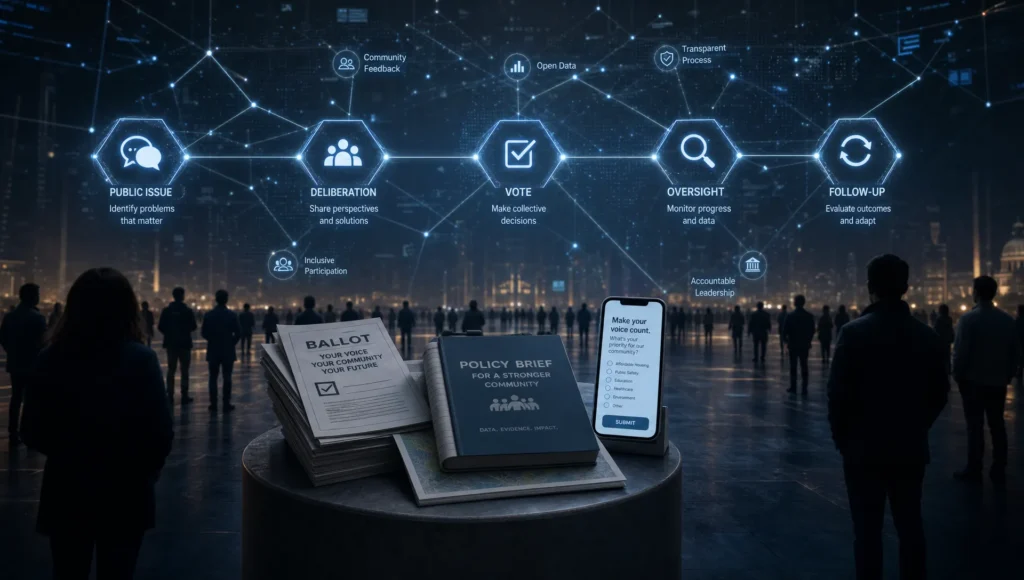
A political movement strategy for continuous democracy begins with a different question from ordinary campaign politics. The question is not simply: How do we win the next election? The deeper questio
Political movement ideas are easy to list and hard to make legitimate. A movement can demand reform, publish slogans, mobilize outrage, and still leave citizens with the same old role: watch, vote, wa
Public trust is not a mood. It is a civic asset, and once a political movement damages it, no slogan can repair the loss by itself. In 2026, citizens are surrounded by campaigns, influencers, AIgenera
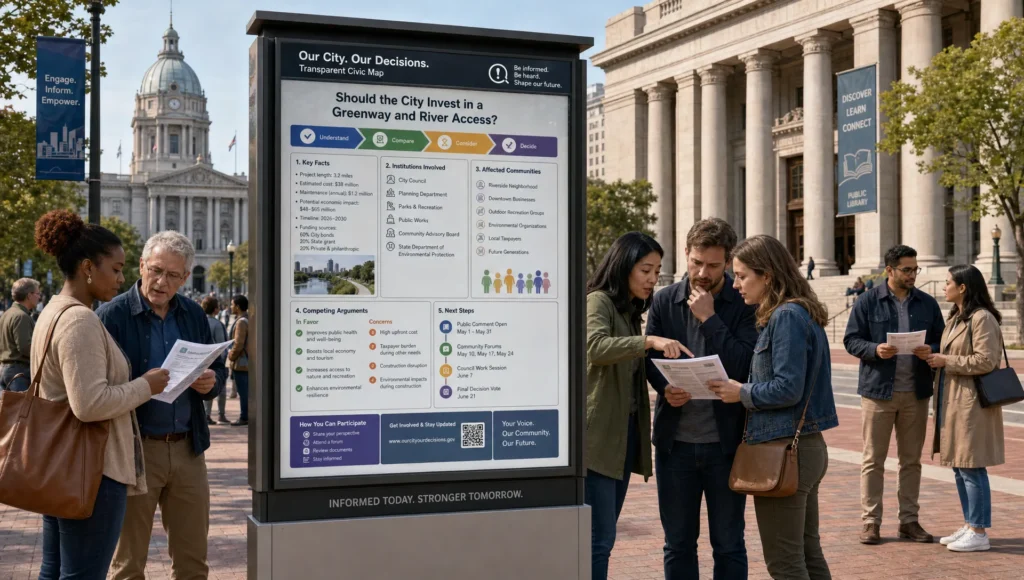
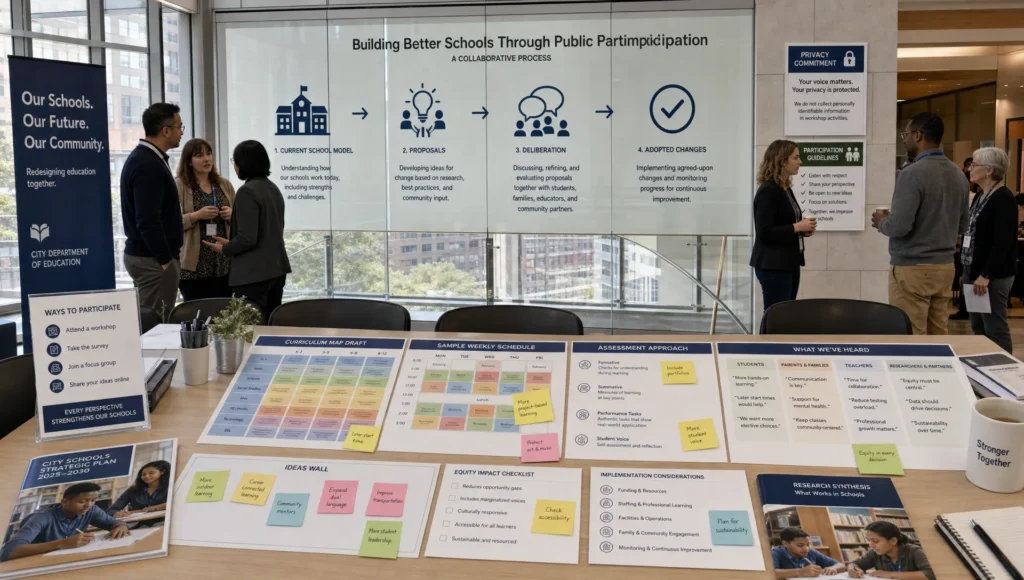
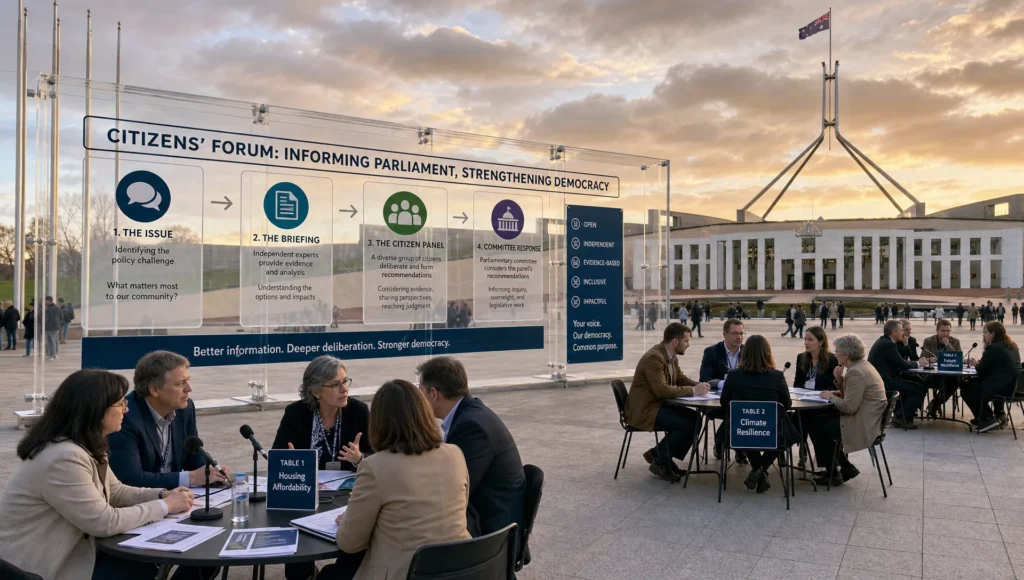
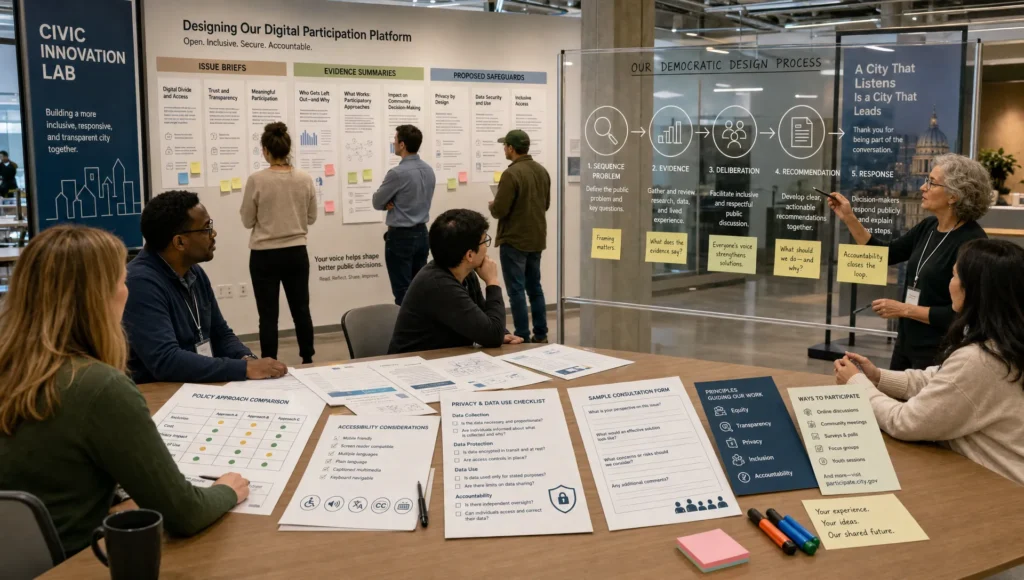
Participationcentered politics begins with a simple reversal: the movement is not asking people to clap for leaders, share slogans, or wait for the next election cycle. It is asking people to practice
Civic identity used to be simple on paper. A citizen belonged to a place, held legal rights, paid taxes, voted periodically, and perhaps identified with a party, class, religion, ethnicity, or nationa
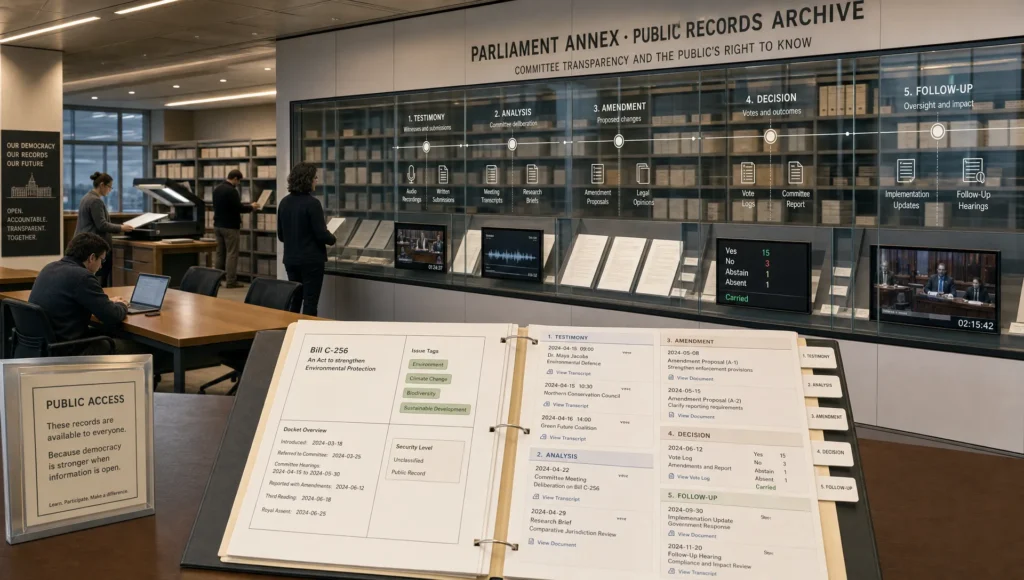
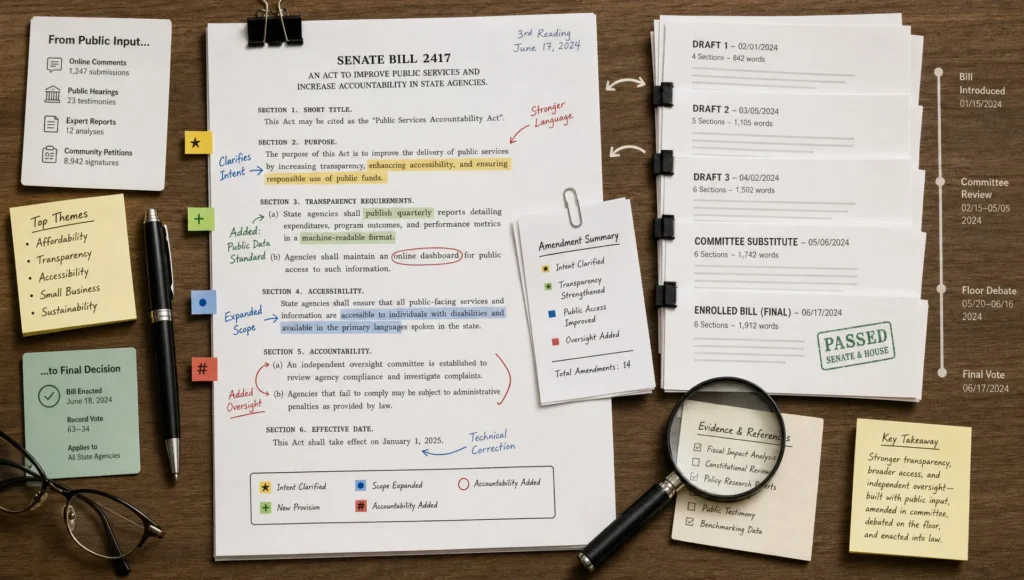
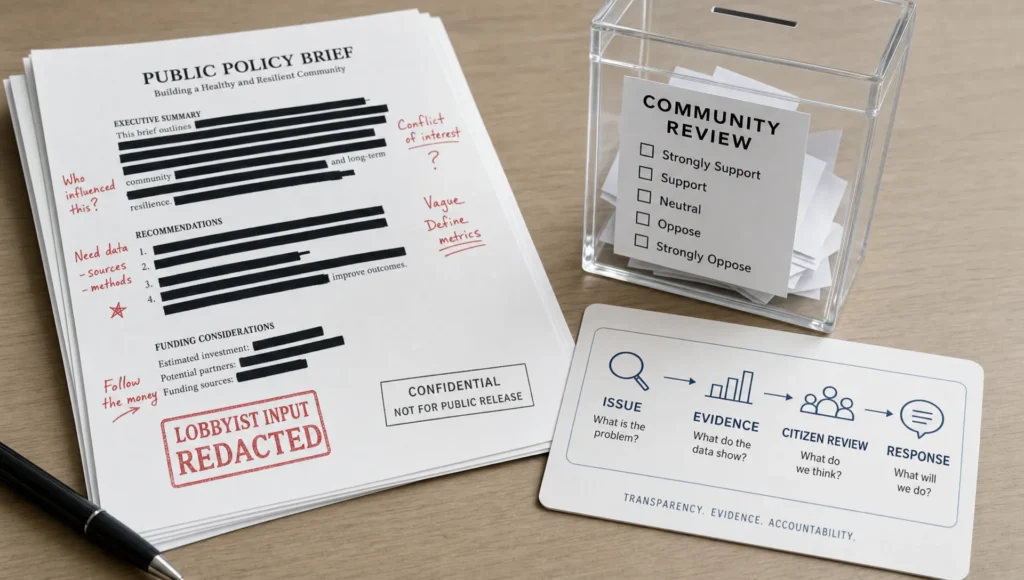
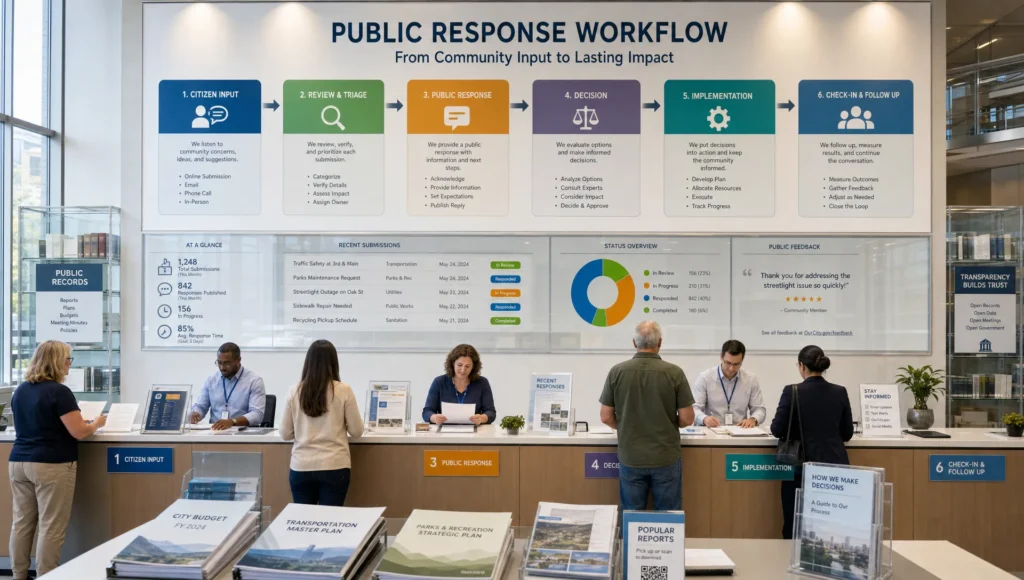
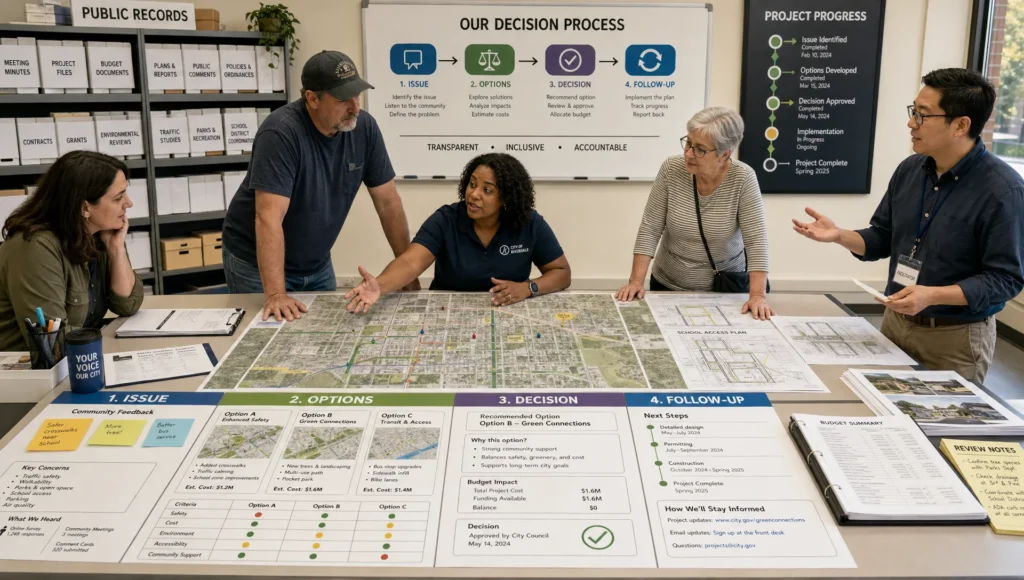
Public accountability usually arrives too late. A scandal breaks, an audit is published, a committee asks questions, an election becomes a delayed referendum on decisions citizens could barely see whi
The fastest post is rarely the wisest public judgment. In a healthy democracy, public speech should help citizens discover what is true, what is uncertain, who is affected, and what a decisionmaker sh
Every generation inherits a public square. Ours scrolls. The question is no longer whether citizens talk about politics online. They do, continuously. The harder question is whether that speech become
Polarization does not only split a community into opposing camps. It changes the way people hear each other. A road redesign becomes a culture war. A school policy becomes a referendum on identity. A
Debate is the heartbeat of democracy, but most public debate has a terrible memory. A town hall fills a room, a comment thread explodes, a protest captures attention, a committee livestream runs for t
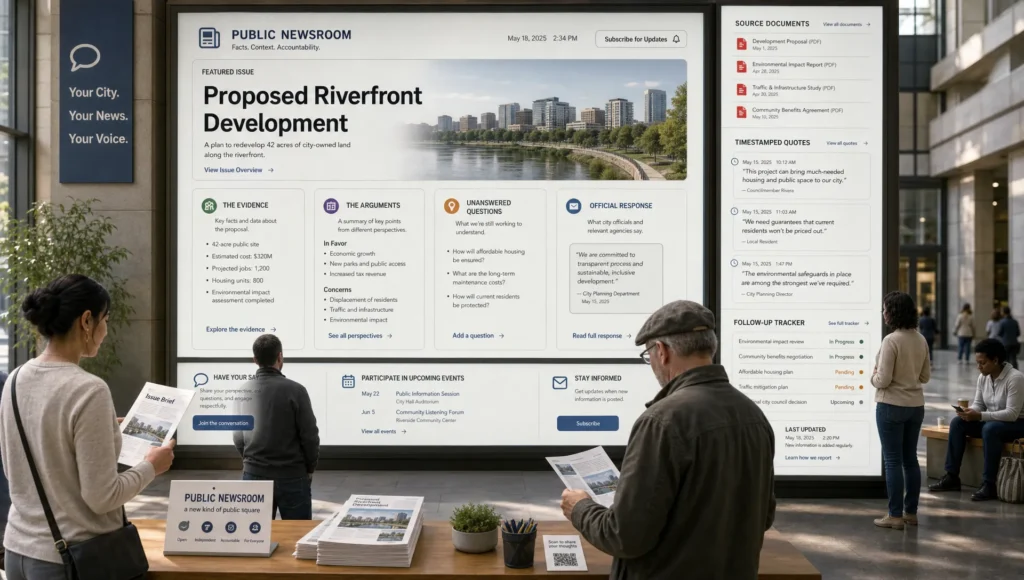
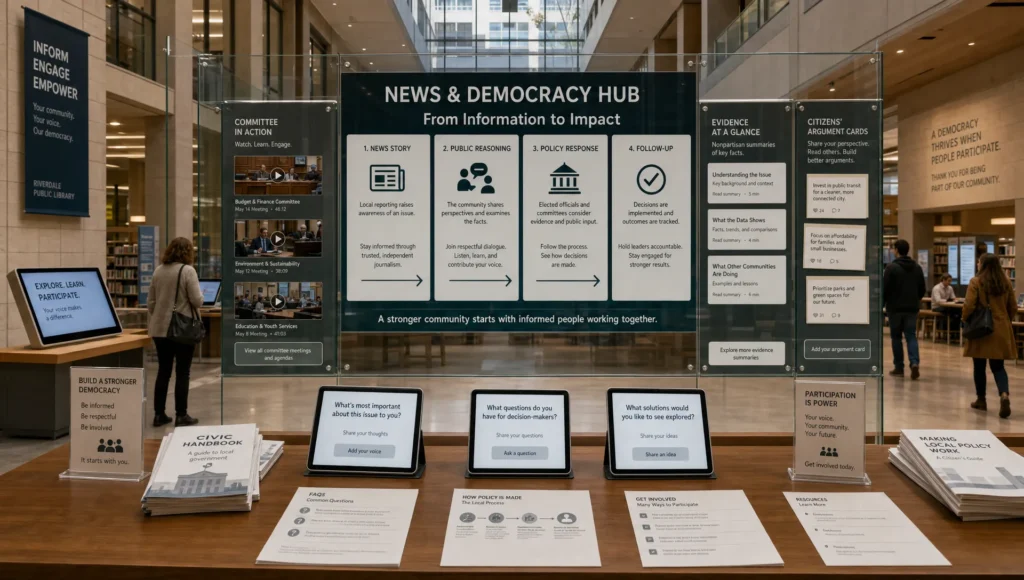
Most people do not need more political noise. They need a better path from public information to public influence. That is the promise of discursive democracy when it is applied to news. Instead of tr
Calls for national unity often arrive at the most dangerous moment: after a crisis, during polarization, or when citizens are exhausted by conflict. The phrase sounds healing, but it can also be misus
When public policy fails, the familiar response is to ask for a new party, a cleaner party, a broader coalition, or a different electoral map. Sometimes that is necessary. Parties matter because they
Housing policy is where democracy often feels most personal and most stuck. A city can broadly agree that rents are too high, homelessness is unacceptable, young families are being priced out, and inf
AI can make public participation faster, broader, and more legible. It can translate testimony, summarize thousands of comments, detect recurring concerns, and help officials find the evidence they sh