Blog
Every public budget contains a moral argument. It says what must be protected, what can wait, who carries the burden, and which future a community is willing to fund. That is why budget decisions crea
Public decisions fail for many reasons: poor information, rushed timelines, party incentives, bureaucratic distance, private lobbying, and citizens who are invited to “give input” only after the real
School boards are where democracy becomes personal. A national election can feel distant, but a board decision about phones, school start times, AI homework rules, transportation, special education se
Elections matter. They decide who receives authority, who forms governments, and which broad promises enter public life. But most of politics happens after election night, when budgets are drafted, co
Education reform is usually discussed as if it belongs to ministers, school boards, unions, administrators, and experts. Citizens are invited to react after the main decisions have already been framed
Civic participation is often treated as a motivation problem. If only more people cared, the argument goes, democracy would work better. But many citizens do care. They attend meetings, sign petitions
Most citizens do not lose influence only on election day. They lose it in the weeks and months between elections, when public committees meet, agendas move, amendments appear, budgets change, and over
Local reform often starts before ideology enters the room. A dangerous crosswalk, a school policy that does not work, a confusing permit process, a public budget nobody understands, or a neglected par
Trust in public life is not repaired by a better slogan. It is rebuilt when people repeatedly experience something concrete: I can understand the decision, I can speak into it, I can see how evidence
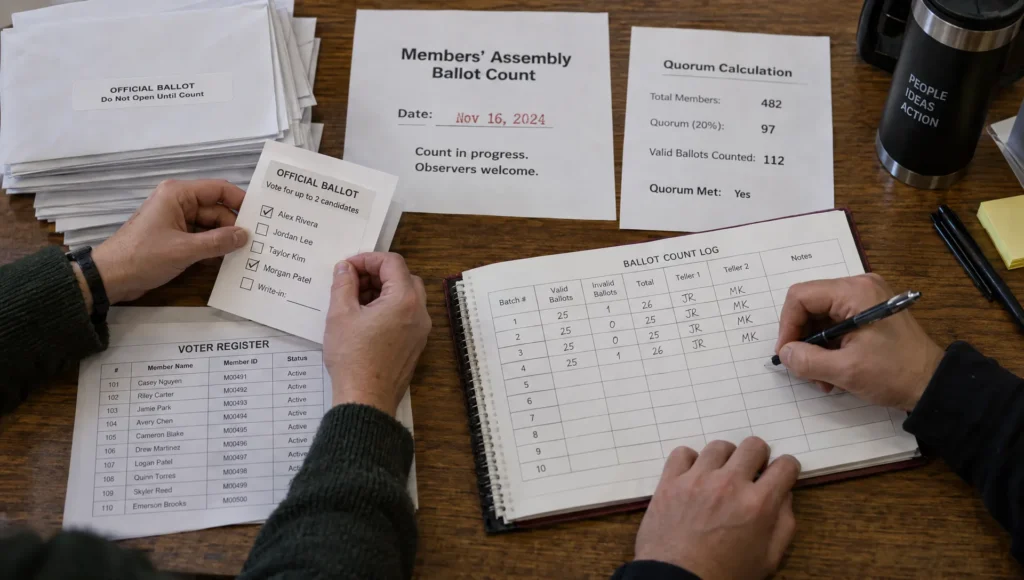
Voting matters, but it is only the opening act. The harder question is what happens after the ballot, when campaign slogans become budgets, appointments, committee hearings, procurement decisions, sch
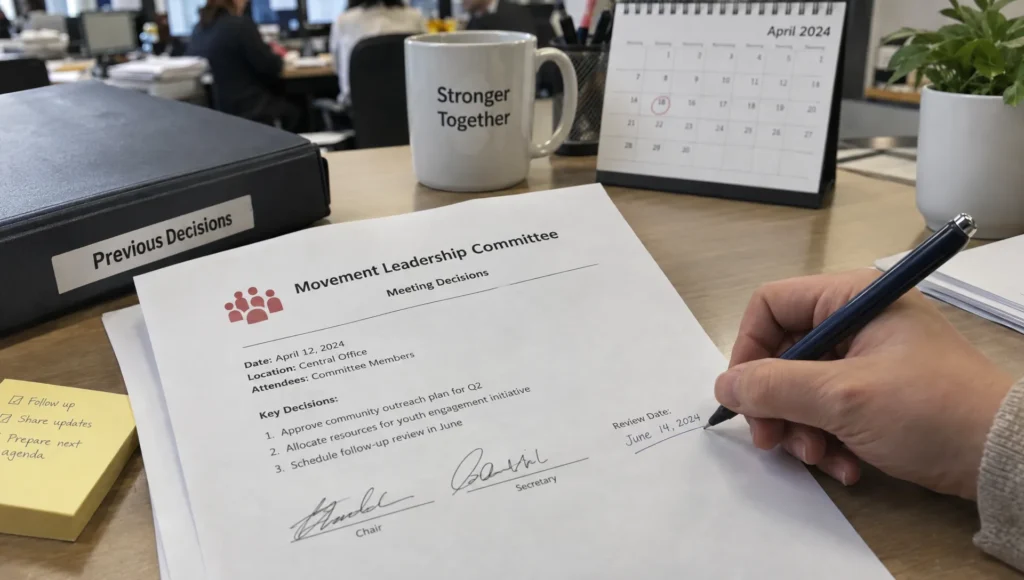
Political movement volunteers are often asked to do the easiest visible work: share posts, recruit friends, attend events, repeat slogans, and show up when outrage peaks. Those actions can help, but t
Every political movement eventually faces the same temptation: recruit faster, post louder, fundraise harder, and turn visibility into scale as quickly as possible. The problem is that scale does not
A democracy can protect free speech and still fail at public reasoning. People can speak for hours at public hearings, argue for weeks online, and march by the thousands, only to hear the same empty r
Livestreaming a public committee is often treated as transparency by default. A camera is turned on, a meeting is broadcast, and the institution can say the public had access. But access is not the sa
Most democratic systems are surrounded by public opinion, yet they rarely know what to do with it. Governments see election results, polls, petitions, protest size, social media trends, consultation c